Politics / United Kingdom
United Kingdom politics page with daily media monitoring across BBC News, The Telegraph, The Economist and The Times, structured summaries of domestic political developments and a country-level press overview.
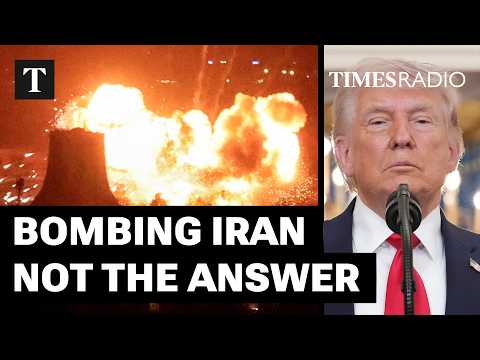
Bombing Iran “Back Into The Stone Ages” Won’t End War | Michael Bociurkiw
Summary
European leaders advocate for diplomacy as the primary means to resolve the conflict with Iran, opposing military actions that threaten to escalate tensions. President Trump's aggressive rhetoric and threats of military action have raised concerns among allies and may undermine trust in U.S. intentions.
Negotiations between the U.S. and Iran are reportedly ongoing, with intermediaries facilitating discussions. However, the effectiveness of these talks is questioned due to the contradictory messages from the Trump administration, which complicate the situation for both allies and adversaries.
Iran's military capabilities and economic strategies indicate a shift in regional power dynamics, as they continue to resist U.S. military interventions. The reliance on non-dollar transactions for oil trade further strengthens Iran's position and complicates U.S. efforts to exert pressure.
Concerns arise regarding potential violations of international law if the U.S. targets civilian infrastructure in Iran. The aggressive language used by President Trump, including explicit threats, may escalate the conflict rather than deter adversaries.
Perspectives
Analysis of the debate surrounding U.S. military action and diplomacy in relation to Iran.
Pro-Diplomacy
- Advocates for diplomacy as the solution to the conflict with Iran
- Highlights the ineffectiveness of military action in resolving tensions
- Emphasizes the need for continued negotiations to prevent escalation
- Points out the importance of international cooperation in addressing the crisis
- Calls for a reassessment of U.S. military strategies in the region
Pro-Military Action
- Supports the use of military threats to deter Iranian aggression
- Argues that strong rhetoric is necessary to project U.S. power
- Highlights the need to protect U.S. interests in the region
Neutral / Shared
- Notes the ongoing negotiations between the U.S. and Iran
- Acknowledges the complexity of the situation in the Middle East
- Recognizes the potential for escalation regardless of diplomatic efforts
Metrics
negotiation_status
deep negotiations with Iran
current state of U.S.-Iran negotiations
Indicates potential for conflict resolution.
the U.S. is in deep negotiations with Iran over a deal
ceasefire_duration
45-day ceasefire days
proposed ceasefire duration
Could provide a temporary halt to hostilities.
a potential 45-day ceasefire is being discussed
military_assets
several US carriers thousands of men units
U.S. military presence in the Middle East
This indicates a significant military commitment that could escalate tensions.
several US carriers thousands of men
economic_strategy
paying in Chinese currency
Iran's circumvention of traditional payment systems
This shift could alter economic power dynamics in the region.
paying in Chinese currency the remnant be things like that
other
question mark column about sort of to the extent to which the Americans could be breaching international law
potential breaches of international law
This highlights the legal implications of military actions.
there's also a question mark column about sort of to the extent to which the Americans could be breaching international law
other
deadlines have come and gone
historical effectiveness of deadlines
This suggests a pattern of escalation rather than resolution.
when deadlines have come and gone What has then happened has there always been escalation
other
very successful operation and successful mission
U.S. military operation success
This reinforces perceptions of U.S. military strength.
It was a very successful operation and successful mission
Key entities
Timeline highlights
00:00–05:00
European leaders emphasize the necessity of diplomacy to resolve the conflict with Iran, contrasting with U.S. military threats.
- European leaders stress that resolving the conflict with Iran requires diplomacy rather than military action, underscoring the importance of ongoing dialogue
- Concerns have arisen regarding the U.S. intentions in the region due to President Trumps military threats
- Conflicting messages from the Trump administration have led to confusion among global leaders about U.S. strategy
- Despite U.S. claims of air superiority, Irans military capabilities pose a significant threat, demonstrated by their targeting of U.S
- Negotiations between the U.S. and Iran appear to be in progress, possibly involving intermediaries
- The participation of regional players like Pakistan is vital for achieving a diplomatic resolution and may encourage Iran to engage in negotiations
05:00–10:00
European leaders emphasize the importance of diplomacy in resolving the conflict with Iran, arguing that military action is ineffective. Iran's military capabilities and economic strategies suggest a shift in power dynamics in the region.
- European leaders stress that diplomacy is crucial for resolving the conflict with Iran, highlighting the ineffectiveness of military action and the necessity for ongoing dialogue
- Irans military capabilities remain robust, indicating that military intervention may not yield the intended results
- The country has implemented economic strategies to circumvent traditional payment systems, potentially shifting power dynamics in the Middle East
- The movement of U.S. military assets from Asia to the Middle East raises concerns about the stability of the region
- The U.S. may have misjudged Irans resilience and the backing it receives from allies such as Russia and China
- There is a concern that President Trumps personal motivations could lead to an escalation of military involvement, which might have severe repercussions for the U.S
10:00–15:00
The U.S. president's aggressive rhetoric and military actions raise concerns about potential violations of international law, particularly regarding civilian targets in Iran.
- Targeting civilian areas in Iran could lead to violations of international law, raising ethical and legal concerns
- The U.S. presidents increasingly aggressive rhetoric signals a potential escalation in military actions
- A recent successful rescue of a U.S. airman reinforces perceptions of American military strength
- Using deadlines as a deterrent has historically resulted in escalation, suggesting current strategies may be ineffective
- The presidents combative communication style may alienate allies and hinder diplomatic negotiations
- Ongoing military actions and aggressive statements could significantly impact U.S. foreign policy in the Middle East