Politics / United Kingdom
United Kingdom politics page with daily media monitoring across BBC News, The Telegraph, The Economist and The Times, structured summaries of domestic political developments and a country-level press overview.
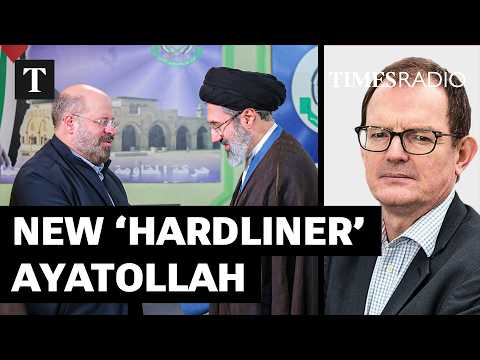
Iran Crisis: There Is No Sign Of Surrender As ‘Hardliner’ New Ayatollah Takes Over | Richard Spencer
Summary
Iran's new Supreme Leader, Munchtaba Hamaneh, is a hardliner, ensuring missile strikes will persist. Regional tensions are escalating as Turkey, the UAE, and Qatar have intercepted Iranian missiles, indicating a significant military response to Iran's actions.
The conflict has led to a surge in oil prices, reaching nearly $120 a barrel, and has paralyzed shipping in the Strait of Hormuz. The situation poses a broader problem for global oil supply and security, with Gulf states struggling to manage their reserves.
Kurdish groups in Iraq express a desire to oppose the Iranian regime, but their limited resources and past experiences with US support raise questions about their effectiveness. The potential involvement of US ground troops could influence their operational capabilities.
Diplomatic maneuvers, including China's support for Iran, complicate the geopolitical landscape. The ongoing conflict may not solely depend on leadership but also on military capabilities and international responses.
Perspectives
short
Pro-Iran Hardliner Perspective
- Claims missile strikes will continue under the new hardline leadership
- Highlights Irans ongoing military actions against neighboring countries
- Argues that there is no sign of surrender from Iran despite international pressure
Anti-Iran Perspective
- Warns of escalating regional tensions due to intercepted Iranian missiles
- Questions the effectiveness of Kurdish groups opposing the Iranian regime
- Rejects the notion that US warships will escort oil tankers through the Strait of Hormuz
Neutral / Shared
- Notes the impact of oil price surges on global markets
- Mentions the role of Gulf states in managing oil reserves amid the crisis
- Acknowledges the complexity of Kurdish involvement in the conflict
Metrics
oil_price
$120 USD
current oil price due to conflict
High oil prices can impact global economies and fuel further tensions.
oil to head up to nearly $120 a barrel
missile_interceptions
intercepted Iranian missiles
missiles intercepted by Turkey, UAE, and Qatar
Successful interceptions indicate heightened military readiness in the region.
Turkey, the UAE and Qatar all claimed to have intercepted Iranian missiles
casualties
cluster munitions killed someone in Israel people
casualties from missile strikes
Casualties escalate the conflict and may provoke stronger military responses.
cluster munitions killed someone in Israel
oil_throughput
20% of the world's oil
oil transit through the Strait of Hormuz
Disruptions in this area can have significant global economic implications.
20% of the world's oil does go through the strait
kurdish_population_percentage
10%
Kurdish population in Iran
A significant Kurdish population may influence regional dynamics and conflict.
they do make up to around 10% possibly even more of the Iranian population
Key entities
Timeline highlights
00:00–05:00
Iran's new Supreme Leader, Munchtaba Hamaneh, is a hardliner, ensuring missile strikes will persist. Regional tensions are escalating as Turkey, the UAE, and Qatar have intercepted Iranian missiles.
- Irans new Supreme Leader, Munchtaba Hamaneh, is a hardliner, ensuring missile strikes will persist
- Turkey, the UAE, and Qatar have intercepted Iranian missiles, escalating regional tensions
- UK forces are countering Iranian threats by destroying drones and intercepting missiles
- US-Israeli strikes on Irans oil facilities are contaminating food, water, and air
- Rumors about the new Supreme Leaders injuries raise doubts about his leadership capacity
- Irans missile strikes have targeted Israel and Turkey, resulting in casualties
05:00–10:00
Turkey, the UAE, and Qatar are intercepting Iranian missiles, which is escalating regional tensions. Oil prices have surged to nearly $120 a barrel, impacting shipping in the Strait of Hormuz.
- Turkey, the UAE, and Qatar are intercepting Iranian missiles, escalating regional tensions
- Oil prices surged to nearly $120 a barrel, paralyzing shipping in the Strait of Hormuz
- China is building up oil reserves and has made deals with Iran, facilitating tanker movements
- Kurdish groups in Iraq are eager to oppose the Iranian regime but lack heavy weaponry
- The Iraqi Kurdish leadership has ruled out involvement in the conflict due to past US support experiences
- Kurdish forces could support US operations against Iran if ground troops are deployed