Politics / Turkey
Iran and U.S. Relations
A new era in Iran's relations with Lebanon and the broader world has been proclaimed, with claims of an opening door symbolizing potential peace. However, the situation remains precarious, as the Iranian government expresses reluctance to fully embrace these changes, fearing the consequences of external pressures. The ongoing discussions about the Strait of Hormuz and its implications for global shipping highlight the delicate balance of power in the region.
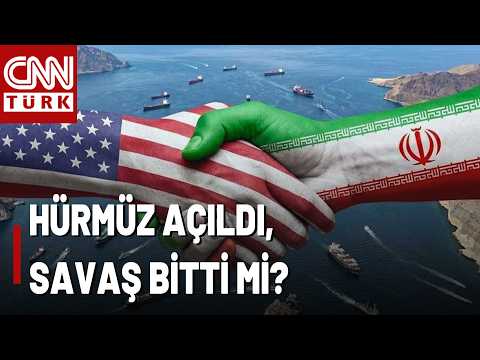
Source material: Trump Pakistan'a Gidecek Mi? Hürmüz Açıldı, Savaş Bitti Mi?
Summary
A new era in Iran's relations with Lebanon and the broader world has been proclaimed, with claims of an opening door symbolizing potential peace. However, the situation remains precarious, as the Iranian government expresses reluctance to fully embrace these changes, fearing the consequences of external pressures. The ongoing discussions about the Strait of Hormuz and its implications for global shipping highlight the delicate balance of power in the region.
Trump's announcement of a continued blockade against Iran contradicts claims of Iranian acceptance of U.S. terms, raising concerns about the accuracy of reported negotiations. The narrative surrounding Iran's compliance appears to be manipulated, potentially misleading public perception and obscuring the true state of diplomatic efforts. The complexities of the situation are further compounded by the potential for renewed conflict, particularly with Israel's involvement.
Trump's potential visit to Pakistan is contingent on a peace agreement with Iran, emphasizing the ongoing diplomatic negotiations. He asserts that Iran has committed to not pursuing nuclear weapons, which he views as a significant achievement for regional security. However, the lack of independent verification of this claim raises questions about its reliability and the feasibility of monitoring compliance.
Perspectives
short
Pro-Iran Relations
- Proclaims a new era in Irans relations with Lebanon and the world
- Claims the door to peace has opened, symbolizing potential diplomatic progress
- Expresses hope for a ceasefire and improved relations despite ongoing tensions
Anti-Iran Relations
- Announces the continuation of the U.S. blockade against Iran
- Questions the authenticity of Irans acceptance of U.S. terms
- Highlights the potential for renewed conflict, particularly with Israels involvement
Neutral / Shared
- Discusses the implications of the Strait of Hormuz for global shipping
- Mentions the complexities surrounding Trumps potential visit to Pakistan
- Notes the lack of independent verification regarding Irans nuclear commitments
Key entities
Timeline highlights
00:00–05:00
A ceasefire has been established in Lebanon and Iran, with Iran expressing satisfaction. The opening of the Strait of Hormuz is contingent on the continuation of this ceasefire, impacting global shipping routes and oil supply.
- A ceasefire has been established in both Lebanon and Iran, with Iran expressing satisfaction over the situation. This development is crucial as it may influence regional stability and military actions
- Iran announced the opening of the Strait of Hormuz, allowing ships to pass through, contingent on the continuation of the ceasefire. This decision is significant as it could affect global shipping routes and oil supply
- U.S. President Trump acknowledged Irans announcement about the Strait, indicating a potential shift in diplomatic relations
- Irans foreign minister warned that if attacks from Israel resume, the Strait could be closed again. This statement highlights the fragility of the current ceasefire and the potential for renewed conflict
- Trump stated that the blockade on Iran will remain until a complete agreement is reached, emphasizing the U.S. stance on negotiations
- The situation remains tense, with the possibility of sudden escalations from Lebanon or Israel. Observers are urged to remain vigilant as developments unfold in this critical region
05:00–10:00
Trump announced the continuation of the U.S. blockade against Iran despite the opening of the Strait of Hormuz.
- Trump announced that while the Strait of Hormuz is open, the U.S. blockade against Iran will continue
- The Iranian Foreign Minister stated that if the U.S. blockade persists, they may close the Strait again
- Trump claimed that Iran has accepted various terms, including halting uranium enrichment and complying with nuclear regulations. This assertion suggests a significant shift in negotiations, although it remains contested by Iranian officials
- The media reported that Trump is framing the situation as a victory, suggesting that the conflict is resolved. This narrative could influence public perception and political dynamics in the region
- There are indications that a potential agreement could be reached soon, with discussions expected to continue in Pakistan. The urgency of these talks highlights the geopolitical stakes involved in the negotiations
- Iranian officials have warned against believing U.S. media narratives, asserting that they maintain control over the Strait
10:00–15:00
Trump indicated a potential visit to Pakistan contingent on a peace agreement with Iran, highlighting ongoing diplomatic negotiations. He claimed Iran has committed to not pursuing nuclear weapons, which he views as a significant achievement for regional security.
- Trump suggested he might travel to Pakistan if a peace agreement with Iran is finalized, indicating progress in diplomatic negotiations
- He asserted that Iran has committed to not pursuing nuclear weapons, which he views as a significant diplomatic achievement that could alter regional security dynamics
- The potential for a direct meeting in Islamabad underscores the urgency of ongoing negotiations, which could redefine U.S.-Pakistan relations
- Trumps narrative positions him as a peacemaker, claiming to have resolved multiple conflicts, which may enhance his public image ahead of upcoming elections
- Concerns exist regarding the practicality of a presidential visit, as such events require meticulous planning and security arrangements
- The current discussions represent a pivotal moment in U.S. foreign policy, particularly concerning Irans role and influence in the region