Politics / Turkey
Pluralistic review of domestic politics through national press, media commentary and public debate across diverse political perspectives. Topic: Turkey. Updated briefs and structured summaries from curated sources.
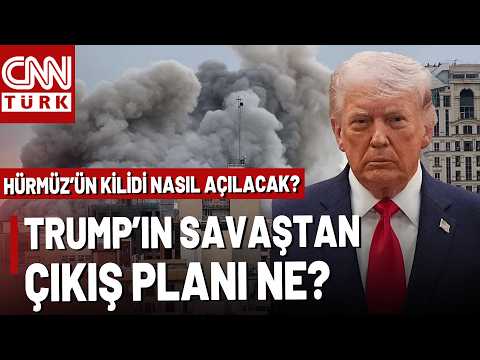
ABD Ve İran Anlaşma Sağlayabilir Mi? Trump, ABD Ordusu İle Ne Duyuracak?
Summary
The ongoing conflict has led to discussions about the potential for peace, with experts divided on the likelihood of a resolution. The situation remains tense, with military action against Iran being considered, complicating diplomatic efforts. Iran has issued a warning that U.S. military actions could lead to a global oil crisis, with prices potentially reaching $200 per barrel.
The U.S. military actions against Iran could provoke significant regional tensions and a potential global oil crisis. The Iranian decision-making process is characterized by a lack of trust in U.S. guarantees, complicating the potential for peace.
Perspectives
LLM output invalid; stored Stage4 blocks + metrics only.
Key entities
Timeline highlights
00:00–05:00
The ongoing conflict has led to discussions about the potential for peace, with experts divided on the likelihood of a resolution. The situation remains tense, with military action against Iran being considered, complicating diplomatic efforts.
- The ongoing conflict prompts discussions about the possibility of peace, with experts divided on the chances for a resolution. A sustainable agreement is essential to alleviate tensions
- Warnings from Trumps administration indicate that military action against Iran may be considered, complicating diplomatic negotiations. This rhetoric raises the stakes significantly
- Skepticism surrounds Trumps strategy, as his previous statements have frequently failed to translate into concrete actions. This inconsistency erodes trust in U.S
- Iran is pursuing a permanent peace rather than temporary ceasefires, citing past U.S. breaches of agreements as a reason for their caution
- The risk of escalation looms if diplomatic efforts falter, with both parties bracing for potential military conflict. Such developments could destabilize the broader region
- Experts believe Trumps approach may utilize psychological tactics to exert pressure on Iran while appearing to engage in diplomacy. This strategy could either facilitate negotiations or deepen existing hostilities
05:00–10:00
Iran has issued a warning that U.S. military actions could lead to a global oil crisis, with prices potentially reaching $200 per barrel.
- Iran warns that U.S. military actions could trigger a global oil crisis, potentially pushing prices to $200 per barrel
- The military strategies proposed by the Trump administration may complicate the situation further, risking a scenario where U.S. interests are jeopardized
- Iran is expected to retaliate against U.S. actions by targeting energy infrastructure in the Gulf region
- Concerns are rising about the stability of U.S. military bases in the Middle East, particularly in Iraq, amid the potential for military confrontation
- The ongoing conflict has increased Iranian public support for resistance against U.S. actions, indicating that military strikes could unify the Iranian populace
- The geopolitical stakes are significant, as the U.S. seeks to maintain control over strategic regions while Iran aims to expand its influence
10:00–15:00
The U.S. military actions against Iran could provoke significant regional tensions and a potential global oil crisis.
- Targeting Irans military and technical infrastructure could disrupt regional power dynamics and provoke a strong Iranian response
- Iran is expected to retaliate against U.S. actions, which may escalate tensions in the region
- The U.S. risks losing key allies, which could undermine its global influence in the wake of its actions against Iran
- Irans ability to withstand economic pressure indicates it may resist U.S. demands more than anticipated
- Successful diplomatic negotiations will depend on the U.S. addressing both its own interests and those of Iran
- The precarious situation in the region raises the risk of a broader conflict, which could have severe consequences for global oil supplies and economic stability
15:00–20:00
The Iranian decision-making process is characterized by a lack of trust in U.S. guarantees, complicating the potential for peace.
- The Iranian decision-making process may remain resistant to U.S. guarantees, as these often lack clarity and effectiveness, fostering distrust within Irans political system
- Iran views the U.S. military presence in the Gulf as a major threat, complicating the feasibility of any guarantees
- Achieving a ceasefire or peace agreement depends on the U.S. providing credible assurances, which may prove challenging
- An abrupt U.S. withdrawal from the conflict could destabilize the Middle Easts security landscape
- The psychological effects of a U.S. exit could embolden Iran and its allies, potentially increasing hostility towards Israel
- The current geopolitical situation indicates that the U.S. is struggling to clarify its objectives in the Middle East
20:00–25:00
A U.S. military withdrawal from Iran may diminish America's credibility and influence in the region.
- A U.S. military withdrawal from Iran could undermine Americas credibility in the region, affecting its influence
- Irans military alliances with nations like China and Russia may strengthen in response to a U.S. retreat
- Perceptions of U.S. weakness could embolden Iran, increasing threats against Israel
- Israel has historically depended on U.S. support for military actions against Iran, making any U.S
- Both Iran and Israel have been preparing for military confrontations for decades, indicating a long-standing tension that could escalate
- The narrative surrounding U.S. military presence is vital for maintaining alliances with Gulf states