Politics / Saudiarabia
Pluralistic review of domestic politics through national press, media commentary and public debate across diverse political perspectives. Topic: Saudiarabia. Updated briefs and structured summaries from curated sources.
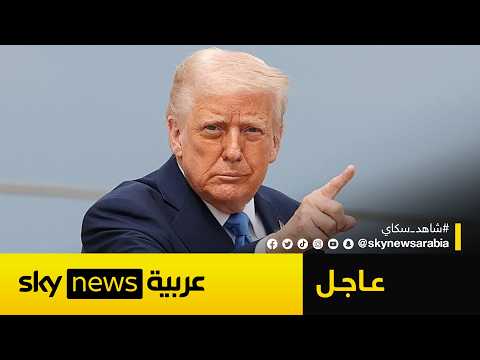
عاجل | ترامب: إيران طلبت وقف إطلاق النار وهذا هو ردنا
Summary
President Trump indicated that Iran's new leadership has requested a ceasefire, emphasizing that any agreement would depend on the security of the Strait of Hormuz. He characterized the Iranian regime as less radical, suggesting a potential shift in diplomatic relations while maintaining military operations.
Trump's remarks highlight the complexities of U.S.-Iran relations, particularly the interplay between military actions and diplomatic overtures. He asserted that the U.S. will continue its military operations until significant concessions are made by Iran, raising questions about the feasibility of achieving a lasting peace.
The Israeli military has intensified operations against Iran, targeting multiple sites to weaken its military capabilities. This escalation is expected to reduce Hezbollah's strength and influence in the region, but it also risks provoking retaliation and further conflict.
Trump's statements reflect a broader strategy that intertwines military pressure with diplomatic negotiations. However, the reliance on military operations as leverage may overlook the complexities of Iranian internal politics and the potential for a united front against perceived external threats.
Perspectives
short
Trump Administration
- Claims Irans new leadership requested a ceasefire
- Emphasizes that any ceasefire depends on the security of the Strait of Hormuz
- Describes Iranian regime as less radical, indicating a potential shift in diplomacy
- States military operations will continue until significant concessions are made
- Highlights the importance of military pressure in negotiations
Iranian Perspective
- Denies that the U.S. can dictate terms without addressing military actions
- Questions the sincerity of U.S. intentions amidst ongoing military operations
Neutral / Shared
- Notes the Israeli militarys intensified operations against Iran
- Acknowledges the potential for retaliation from Iran due to military escalations
- Recognizes the strategic importance of the Strait of Hormuz in U.S.-Iran relations
Metrics
other
70%
increase in social media usage related to the current situation
This indicates heightened public engagement and potential influence on political discourse.
The social media has increased to 70% of the current situation.
military_operations
military work will continue until this month time
duration of military operations
This indicates a prolonged military engagement in the region.
Trump has said that the military work will continue until this month
other
20 people were killed in the Syrian war units
casualties in the Syrian war
This highlights the ongoing violence and instability in the region.
the Israeli embassy was in a situation where 20 people were killed in the Syrian war.
other
250 kilograms to 450 kilograms kg
military operations in Iran
This range indicates the scale of military resources potentially involved.
to develop a total of 250 kilograms to 450 kilograms from the Iranian Iranians
Key entities
Timeline highlights
00:00–05:00
President Trump indicated that Iran's new leadership has requested a ceasefire, which may signal a shift in their negotiation strategy. He emphasized that any ceasefire would depend on the security of the Strait of Hormuz, underscoring its importance in U.S.-Iran relations.
- President Trump announced that Irans new leadership has requested a ceasefire, indicating a potential shift in their approach to negotiations
- He stated that any ceasefire consideration depends on the security and openness of the Strait of Hormuz, highlighting its strategic significance in U.S.-Iran relations
- Trump confirmed that military operations against Iran will persist, suggesting these actions aim to weaken Iran significantly
- By linking the ceasefire to the Straits status, Trump implies that Iran must make concessions for any diplomatic progress
- The ongoing U.S. military actions reflect a broader strategy to deter Iranian aggression
- Trumps social media posts indicate a direct engagement approach with Iran
05:00–10:00
President Trump claims the U.S. will completely destroy Iran while acknowledging a request for a ceasefire from its new leadership.
- President Trump claims the U.S. will completely destroy Iran, indicating a strategy aimed at severely weakening its infrastructure
- He acknowledges that Irans new leadership has requested a ceasefire, linking any agreement to the reopening of the Strait of Hormuz, which underscores its strategic importance
- The U.S. administration is contemplating various threats against Iran, including targeting its energy resources and cutting off financial support
- Trump characterizes the new Iranian leadership as less extreme and more intelligent, which could open avenues for negotiation, though he remains cautious about specifics
- The ongoing military strategy is tied to broader geopolitical objectives, with Trump hinting at a desire for regime change in Iran, potentially reshaping U.S.-Iran relations
- The situation is dynamic, with Trump expected to clarify his goals in an upcoming address, which could influence both domestic and international views on U.S. policy
10:00–15:00
President Trump claims that Iran's new leadership has requested a ceasefire, contingent on the security of the Strait of Hormuz. He describes the Iranian regime as less radical, suggesting a potential shift in diplomatic relations while maintaining military operations.
- President Trump states that Irans new leadership has requested a ceasefire, but military operations will persist until the Strait of Hormuz is secure
- He characterizes the new Iranian regime as less radical and more intelligent, indicating a possible shift in diplomatic relations while maintaining a firm military stance
- The U.S. will only consider stopping military actions if the Strait of Hormuz is open and safe for navigation
- Trump warns of escalating military responses if the situation with Iran does not improve, highlighting the ongoing tensions
- His comments suggest a narrative of military success, framing current operations as a significant victory against Iranian influence to garner domestic support
- There are signs that Trump may announce additional military actions or troop deployments, reflecting the volatile nature of U.S.-Iran relations
15:00–20:00
Trump's remarks suggest a potential shift in U.S.-Iran diplomatic dynamics, characterizing Iran's new leadership as less radical. He emphasizes that any ceasefire is contingent on the security of the Strait of Hormuz, highlighting its strategic importance.
- Trumps remarks about Irans new leadership suggest a potential shift in diplomatic dynamics, as he describes them as less radical and more intelligent than previous leaders. This characterization may open avenues for different interactions between the U.S
- The President made it clear that any ceasefire with Iran is dependent on the security of the Strait of Hormuz. This condition underscores the strategic importance of the waterway in U.S.-Iran relations
- Trumps comments indicate confusion within his administration regarding the structure and decision-making of the Iranian leadership. This uncertainty could complicate U.S
- The Presidents choice not to name the Iranian President adds to doubts about the U.S. strategy in dealing with Iran
- Trumps commitment to ongoing military operations against Iran signals a hardline stance that could escalate tensions further. This approach risks destabilizing the region and complicating U.S
- The current military actions and Trumps rhetoric appear aimed at pressuring Iran for concessions. However, this strategy may deepen the conflict rather than create opportunities for negotiation
20:00–25:00
The Israeli military has intensified operations against Iran, targeting multiple sites to weaken its military capabilities. This escalation is expected to reduce Hezbollah's strength and influence in the region.
- The Israeli military has intensified its operations against Iran, claiming to have targeted multiple sites to weaken Irans military capabilities and influence in the region
- Israeli forces have reportedly killed a significant figure in Irans military, which is expected to reduce Hezbollahs operational strength and diminish Iranian control in Lebanon
- Israels Defense Minister emphasized that Iran is facing daily strikes, highlighting Israels commitment to ongoing military actions in both Iran and Lebanon amid escalating tensions
- The Israeli military has focused on strategic sites in Iran, including weapon production facilities, framing these actions as essential for the safety of Israeli citizens
- Israeli officials suggest that current military operations could lead to a significant shift in Irans regime, indicating broader implications for regional stability
- In response to Israeli actions, the Lebanese army has heightened its readiness, reflecting the increased tensions and potential for further escalation in the region
25:00–30:00
President Trump indicated that Iran's new leadership has requested a ceasefire, contingent on the security of the Strait of Hormuz. The Israeli Prime Minister claimed significant successes against Iran, suggesting a shift in military dynamics in the region.
- President Trump stated that Irans new leadership has requested a ceasefire, but military operations will persist until the Strait of Hormuz is secure. This highlights the ongoing tensions between the U.S
- The Israeli Prime Minister claimed major successes against Iran, asserting that the Iranian regimes military and economic power has been significantly diminished. This aligns with Israels strategy to counter Iranian influence in the region
- There are signs that the U.S. may be reconsidering its military approach towards Iran, potentially indicating a shift in strategy
- Trump suggested that Iran is no longer pursuing nuclear weapons, which, if true, could change the landscape of international negotiations. This claim adds to doubts about the future of nuclear diplomacy in the region
- Attention is turning to Irans new president, who is viewed as more pragmatic than previous leaders. This leadership change may affect future diplomatic efforts and conflict resolution
- The military actions and rhetoric from both the U.S. and Israel indicate a fragile balance of power in the region