Politics / Saudiarabia
Pluralistic review of domestic politics through national press, media commentary and public debate across diverse political perspectives. Topic: Saudiarabia. Updated briefs and structured summaries from curated sources.
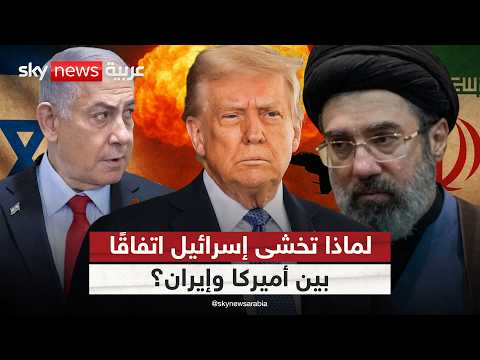
لماذا تفضل إسرائيل استمرار الحرب على أي اتفاق بين أميركا وإيران؟
Summary
Israel perceives a potential U.S.-Iran agreement as a significant threat, prompting an intensification of military operations against Iran. The Israeli government aims to weaken the Iranian regime through sustained military pressure, hoping to provoke internal dissent among the Iranian populace.
Concerns arise regarding miscommunication during joint military operations with U.S. forces, which could lead to unintended confrontations. The Israeli strategy relies on the assumption that targeting critical infrastructure will destabilize the Iranian government, yet this may unify Iranians against perceived foreign aggression.
Historical context reveals that military actions often consolidate internal support for regimes facing external threats. The Israeli government believes that ongoing conflict is necessary to weaken Iran and provoke domestic unrest, despite the risks of strengthening Iranian nationalism.
The situation remains complex, with Israel navigating its military strategy while considering the implications of U.S. involvement. The Israeli leadership is aware of the potential backlash from its military operations, which could complicate its objectives in the region.
Perspectives
short
Israel
- Intensifies military operations against Iran to counter perceived threats
- Aims to weaken the Iranian regime through sustained conflict
- Believes ongoing military pressure will provoke internal dissent in Iran
- Concerns about miscommunication with U.S. forces during joint operations
- Views potential U.S.-Iran agreements as detrimental to Israeli security
- Assumes targeting critical infrastructure will destabilize Iran
Iran
- Maintains resilience against foreign military pressure
- Possesses the potential to unify national sentiment in response to aggression
Neutral / Shared
- Military operations are prioritized over diplomatic solutions
- Complex geopolitical dynamics influence military strategies
Metrics
other
4%
percentage of Israeli and Arab countries involved
This indicates the level of regional involvement in the conflict.
the situation is still in the form of 4% of the Israeli and Arab countries
other
the Israeli government says that the Palestinian government is going to be removed
Israeli government's stance on Palestinian governance
This indicates a significant shift in Israeli policy towards Palestinian governance.
the Israeli government says that the Palestinian government is going to be removed
Key entities
Timeline highlights
00:00–05:00
Israel is intensifying military operations within Iran, driven by fears of a detrimental U.S.-Iran agreement. The Israeli strategy aims to weaken the Iranian regime through sustained military pressure and provoke internal dissent.
- Israel is intensifying military operations within Iran, driven by fears that a U.S.-Iran agreement could put pressure on its strategic objectives
- Israeli officials doubt that any negotiations with Iran will yield positive results, viewing potential agreements as harmful to their security
- The current Israeli strategy focuses on maximizing military strikes before a ceasefire, aiming to significantly weaken the Iranian regime and provoke internal dissent
- There is a belief in Israel that sustained military pressure can destabilize the Iranian government, making it more susceptible to domestic challenges after the conflict
- Recent military efforts have included coordinated attacks with U.S. forces on underground sites in Iran
- The operational landscape is complicated by the presence of U.S. troops in regions where Israel intends to conduct military actions
05:00–10:00
Israel is concerned about potential miscommunication with U.S. forces during joint military operations, which could lead to unintended confrontations.
- Israel is concerned that collaboration with U.S. forces for joint operations may lead to miscommunication and unintended confrontations between their distinct military entities
- The Israeli military is prioritizing strikes on critical infrastructure in Iran, such as banks and state institutions, to disrupt its military capabilities
- Israel continuously updates its target bank to adapt to the evolving conflict dynamics, ensuring an effective response to Iranian actions
- There is a prevailing belief in Israel that any U.S.-Iran agreement could put pressure on its security interests
- Restrictions imposed by the U.S. on targeting certain energy facilities in Iran complicate Israels military strategy
- The aim of Israels military operations is to significantly weaken the Iranian regime, potentially leading to internal dissent after the conflict
10:00–15:00
Israel is intensifying military operations against Iran, viewing a potential U.S.-Iran agreement as detrimental. The Israeli military aims to destabilize the Iranian government and provoke public dissent through sustained conflict.
- Israel views a potential U.S.-Iran agreement as harmful, leading to a preference for continued conflict to intensify strikes on key Iranian targets
- The Israeli military aims to use the current war to destabilize Irans government and incite public dissent, reflecting a long-term strategy to reshape Irans political landscape
- Israels unprecedented collaboration with the U.S. during the conflict enhances its military capabilities and is vital for maintaining its influence in American foreign policy
- Concerns exist that Israels significance in U.S. political priorities may decline after the war, particularly regarding Palestinian issues
- The Israeli military is developing a detailed target bank to remain adaptable to the changing dynamics of the conflict, emphasizing the need for operational flexibility
- The U.S. administrations approach to military engagement with Iran is crucial for Israels strategic planning
15:00–20:00
Israel is prioritizing military actions over diplomatic solutions due to perceived threats from a potential U.S.-Iran agreement. The Israeli government believes that ongoing conflict is necessary to weaken the Iranian regime and provoke domestic unrest.
- Israel perceives a potential U.S.-Iran agreement as a threat to its security, leading to a preference for ongoing military actions instead of diplomatic solutions
- The Israeli government believes that continued conflict enables effective targeting of strategic Iranian assets, aiming to weaken the regime and potentially incite domestic unrest afterward
- There is concern in Israel that U.S. support may be withdrawn or military operations halted unexpectedly, impacting their strategic calculations
- Israeli officials argue that Iran is gaining advantages from the ongoing conflict, which necessitates a recalibration of Israels approach to counter Iranian advancements
- Israeli leaders acknowledge the likelihood of renewed hostilities, indicating readiness for further military engagement to maintain pressure on Iran and its allies
- Israel prioritizes military solutions over diplomatic negotiations, highlighting the complexities involved in achieving lasting peace in the region