Politics / Saudi Arabia
U.S. Maritime Blockade of Iran
The U.S. has initiated a maritime blockade of the Strait of Hormuz following unsuccessful diplomatic negotiations with Iran. This decision aims to counter Iranian influence and ensure safe navigation in the region. The blockade is positioned as a response to perceived threats from Iran, particularly regarding military activities and regional stability.
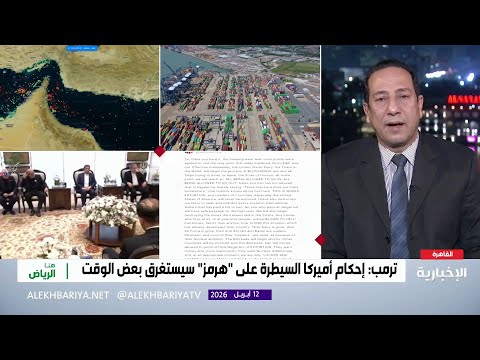
Source material: حصار أميركي ومحاولة تأمين هرمز
Summary
The U.S. has initiated a maritime blockade of the Strait of Hormuz following unsuccessful diplomatic negotiations with Iran. This decision aims to counter Iranian influence and ensure safe navigation in the region. The blockade is positioned as a response to perceived threats from Iran, particularly regarding military activities and regional stability.
U.S. military forces are expected to play a significant role in enforcing this blockade, which has been framed as a necessary measure to protect international shipping lanes. However, the effectiveness of this strategy hinges on the assumption that Iran will refrain from retaliatory actions, a consideration that may overlook the complexities of regional dynamics.
The blockade's implementation raises concerns about potential escalation of military conflict in the region. Historical precedents suggest that aggressive military postures can provoke unintended consequences, leading to broader geopolitical instability. The U.S. strategy may inadvertently escalate tensions with Iran and its allies.
Regional players, including European nations and Arab states, are also affected by this blockade, as their interests in the Strait of Hormuz are significant. The U.S. must navigate these relationships carefully to avoid alienating potential allies while pursuing its objectives against Iran.
Perspectives
short
U.S. Government
- Initiates a maritime blockade to counter Iranian influence
- Aims to ensure safe navigation in the Strait of Hormuz
- Positions military forces to enforce the blockade effectively
- Frames the blockade as a necessary response to threats from Iran
Iran and Regional Critics
- Highlights the potential for escalating tensions in the region
- Questions the effectiveness of U.S. military strategies
- Argues that the blockade undermines diplomatic efforts
- Critiques the U.S. for overlooking the complexities of regional dynamics
Neutral / Shared
- Notes the involvement of regional players in the situation
- Acknowledges the historical context of military engagements in the region
Key entities
Timeline highlights
00:00–05:00
The U.S. has initiated a maritime blockade of the Strait of Hormuz following unsuccessful diplomatic negotiations with Iran.
- The U.S. has launched a maritime blockade of the Strait of Hormuz after diplomatic efforts with Iran failed
- President Trump stated that the U.S. Navy will actively enforce the blockade against any ships that threaten the straits security
- The U.S. militarys operations include mine removal from the strait, with destroyers already deployed for this purpose
- Iran has categorically rejected claims of U.S. naval vessels entering its territorial waters, insisting that it maintains full control over the strait
- In reaction to the blockade, Israel has increased its military preparedness, signaling potential regional instability. The Israeli government is actively assessing security threats arising from the situation
- The U.S. strategy focuses on limiting Irans oil exports and reducing its influence over the Strait of Hormuz
05:00–10:00
The U.S. is enforcing a maritime blockade of the Strait of Hormuz to counter Iranian influence and ensure safe navigation.
- The U.S. is implementing a maritime blockade of the Strait of Hormuz to counter Iranian influence and secure the passage
- This strategy includes enforcing the blockade and removing mines to ensure safe navigation through the strait
- Concerns persist about Irans potential mining of the strait, which could disrupt maritime traffic significantly
- The U.S. is working with allies, including the UK, to establish a coalition focused on securing the strait
- Military readiness in the region is heightened, with U.S. forces prepared to respond to any escalation
- These developments could have broader implications for global oil prices and geopolitical stability