Politics / Russia
Russia politics page with daily media monitoring across Meduza, BBC News Russian and Euronews RU, structured summaries of domestic political developments and a country-level press overview.
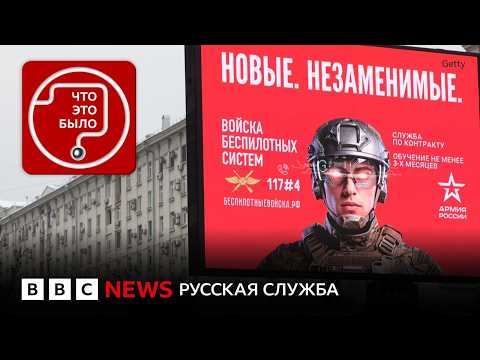
Как вербуют студентов на войну
Summary
A plan has been established for two percent of Russian students, over 40,000 individuals, to be sent to the front lines. This initiative raises significant concerns regarding student safety and the future of education in Russia. The recruitment strategy assumes that students will comply under pressure, yet it overlooks the potential backlash from those who resist.
The third phase of student recruitment for military service has expanded to include a broader range of academic disciplines, reflecting an urgent demand for military personnel. This shift raises significant concerns about the implications for students' educational choices and institutional autonomy. Some universities are incentivizing students to enlist in the military with land grants and cash bonuses, despite misleading claims about combat exemptions.
The recruitment of students for military service is significantly below the government's target, with many universities failing to reach even half a percent. This situation highlights the challenges faced in military enlistment and the varying levels of commitment among institutions. The pressure on universities to meet quotas may lead to coercive practices, undermining educational integrity and risking long-term societal consequences.
The recruitment strategy relies on the assumption that students will accept incentives without fully understanding the risks involved. This could lead to significant backlash if students feel misled about their potential combat roles. The absence of clear data on enlistment numbers and the variability in recruitment efforts across universities suggest a lack of coherent policy.
Perspectives
short
Supporters of Student Recruitment
- Claim that recruitment is necessary for military needs
- Argue that students should contribute to national defense
- Highlight the governments commitment to military readiness
Opponents of Student Recruitment
- Warn that recruitment undermines educational integrity
- Accuse the government of coercive practices
- Highlight ethical concerns regarding student safety
Neutral / Shared
- Acknowledge the lack of transparency in recruitment statistics
- Recognize the varying levels of commitment among universities
- Note the potential for increased student dissent
Metrics
number_of_students
over 40,000 units
students to be sent to the front lines
This number indicates a significant mobilization of youth for military purposes.
two percent is more than 40 thousand people
enlistment
less than half a percent %
current military recruitment success rate among students
This low enlistment rate indicates significant challenges in meeting military personnel goals.
there is about somewhere less than half a percent
Key entities
Timeline highlights
00:00–05:00
A plan has been established for two percent of Russian students, over 40,000 individuals, to be sent to the front lines. This initiative raises significant concerns regarding student safety and the future of education in Russia.
- A plan has been set for two percent of Russian students to be sent to the front lines, amounting to over 40,000 individuals. This raises concerns about the implications for student safety and the future of education in Russia
- The Kutafin Moscow State Law University has emerged as a leader in the public recruitment of students for military service. This trend reflects a significant shift in how universities are responding to government calls for military support
- The current wave of recruitment is the third, indicating a sustained effort to enlist students. This ongoing campaign suggests a growing normalization of military service among the youth
- Students are being lured into military service through various incentives, including personal engagement from university leaders. Such tactics may undermine the autonomy of educational institutions and pressure students into compliance
- The rector of the Kutafin University has been particularly proactive in promoting military enlistment, even engaging personally with students. This behavior highlights a troubling alignment between educational leadership and state military objectives
- Contrastingly, other universities have shown resistance to recruitment pressures, indicating a divide in institutional responses. This disparity could lead to varying reputations and operational challenges among different educational institutions
05:00–10:00
The third phase of student recruitment for military service has expanded to include a broader range of academic disciplines, reflecting an urgent demand for military personnel. This shift raises significant concerns about the implications for students' educational choices and institutional autonomy.
- The third phase of student recruitment for military service has begun, now targeting a wider range of students beyond just technical fields. This marks a significant shift in how military personnel needs are being integrated into educational settings
- Initially focused on technical students, recruitment efforts have expanded to include all academic disciplines, reflecting an urgent demand for military personnel. This broad approach raises concerns about the implications for students educational choices
- Universities are under pressure from the Ministry of Science and Higher Education to adhere to recruitment standards, resulting in varied institutional responses. Some universities actively promote military service, while others try to hide their involvement
- Students facing academic dismissal are being coerced into signing military service contracts to secure their educational status. This tactic takes advantage of students fears about losing their academic opportunities
- The recruitment strategy employs a combination of federal, regional, and university-specific incentives, creating a complex environment for students. This multi-layered approach underscores the urgency of fulfilling recruitment quotas set by authorities
- The goal is to enlist around two percent of the student population, equating to over 40,000 individuals. Meeting this target is essential for the military to sustain its operational effectiveness amid ongoing conflicts
10:00–15:00
Some universities are incentivizing students to enlist in the military with land grants and cash bonuses, despite misleading claims about combat exemptions. The lack of transparency regarding actual enlistment numbers raises concerns about the effectiveness of these recruitment strategies.
- Some universities are offering significant incentives to students who agree to enlist, including land grants and cash bonuses. This approach aims to attract more students to military service amid ongoing recruitment efforts
- Claims of special contracts for students that exempt them from combat roles are misleading. Legal experts warn that such contracts do not exist, and enlistees may find themselves in direct combat situations
- Recruitment strategies have evolved to include personal testimonials from families of recruits, emphasizing a sense of duty. This tactic aims to normalize enlistment and pressure students into signing contracts
- Despite the push for recruitment, there is no clear data on how many students have actually enlisted or been deployed. The lack of transparency adds to doubts about the effectiveness of these recruitment campaigns
- The campaign to recruit students is not uniform across all universities, with some institutions being more aggressive than others. This disparity could affect the overall recruitment numbers and the militarys ability to meet its targets
- The ongoing recruitment efforts are part of a broader strategy to fill military ranks as the conflict continues. The implications of these efforts could significantly impact the demographics of those serving in the military
15:00–20:00
The recruitment of students for military service is significantly below the government's target, with many universities failing to reach even half a percent. This situation highlights the challenges faced in military enlistment and the varying levels of commitment among institutions.
- The recruitment of students for military service is falling short of the governments two percent target, with many universities struggling to even reach half a percent. This indicates significant challenges in meeting military enlistment goals
- University leaders often avoid discussing recruitment plans publicly, which contributes to a lack of transparency. This reluctance may arise from the sensitive nature of the topic and pressure from higher authorities
- There is a divide among universities regarding recruitment efforts, with some actively participating while others resist. This inconsistency reflects varying levels of commitment to military enlistment across institutions
- Many students are expressing strong anti-war sentiments, complicating recruitment efforts. Their views make the push for enlistment seem absurd in light of the ongoing conflict
- The academic community is worried about the consequences of sending skilled students to the front lines. The potential loss of talent in specialized fields could negatively impact education and expertise in the long run
- Recruitment strategies often employ coercive tactics, such as highlighting stark statistics about peers who enlist. This method aims to instill a sense of urgency and obligation among students to join the military
20:00–25:00
The recruitment of students for military service in Russia is causing significant concern among educators, particularly due to the shortage of medical professionals. This mobilization raises ethical dilemmas for faculty and highlights a troubling shift in societal values prioritizing military service over education.
- The recruitment of students for military service in Russia is raising significant concerns among educators. This mobilization is particularly alarming given the current shortage of medical professionals in the country
- Many professors are conflicted about the governments push to enlist students, especially those they have invested years in educating. The potential loss of talented individuals to the military could undermine the quality of education and expertise in various fields
- The administration of universities is under pressure to meet recruitment quotas, which may lead to ethical dilemmas for faculty members. If they resist these directives, it remains unclear what consequences they might face from university leadership
- In addition to university students, there is a troubling trend of involving school-aged children in military-related production, such as assembling drones. This practice adds to doubts about the long-term implications for youth and their future roles in society
- The situation in Alabuga, where adolescents are being drawn into military production, highlights a broader issue of economic desperation in certain regions. Families may feel compelled to send their children to work in harsh conditions for financial stability, despite the risks involved
- The recruitment campaign reflects a troubling shift in societal values, prioritizing military service over education and professional development. This could have lasting effects on the workforce and the overall direction of the country
25:00–30:00
The Russian government aims to recruit 2% of university students, which translates to over 40,000 individuals, amidst ongoing conflict. This recruitment strategy raises ethical concerns and reflects a shift in societal values prioritizing military service over education.
- The Russian government plans to recruit 2% of university students, equating to over 40,000 individuals, but this goal seems increasingly unrealistic amid ongoing conflict
- Authorities may resort to drastic measures, such as restricting communication, to enforce recruitment quotas, potentially isolating students from organizing against mobilization
- The current regime prioritizes loyalty over education, signaling a shift away from valuing educated individuals and undermining educations traditional role as a social elevator
- The recruitment campaign has undergone multiple phases, targeting various student groups, raising ethical concerns about pressuring youth into military service
- Involving students in drone production reflects a troubling trend of militarization within educational environments, impacting their futures and raising moral questions about their roles in warfare
- The governments approach to mobilization and education marks a significant departure from Soviet-era values that emphasized higher education, indicating a long-term strategy to reshape societal priorities towards military readiness