Politics / Poland
Pluralistic review of domestic politics through national press, media commentary and public debate across diverse political perspectives. Topic: Poland. Updated briefs and structured summaries from curated sources.
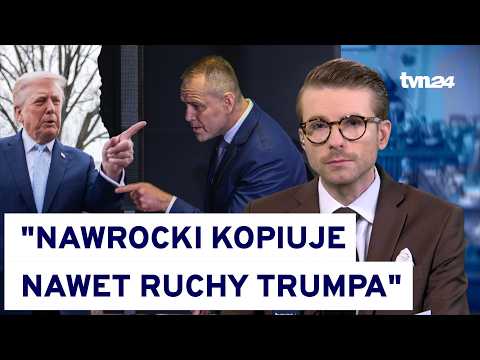
Nawrocki u sojusznika Putina. Tak PiS gubi się po pytaniach o Orbana. "News Michalskiego"
Summary
The meeting between Karol Nawrocki and Viktor Orban has raised significant concerns regarding Poland's foreign policy direction and transparency. Critics emphasize the implications of Hungary's ties to Russia amidst the ongoing conflict in Ukraine, suggesting that such relationships could undermine Poland's credibility within the EU.
Nawrocki's visit is perceived as a strategic endorsement of Orban, which may alter Poland's political landscape and compromise its national security. The lack of transparency surrounding the discussions has led to questions about the effectiveness of Poland's diplomatic strategy, particularly in relation to Hungary's support for Russia.
The proposed national defense fund reflects tensions between the executive and legislative branches, with concerns about Nawrocki's potential veto power limiting lawmakers' influence. This situation highlights the ongoing debate over national security implications and the need for a cohesive strategy.
Protests within the Civic Coalition indicate dissatisfaction with recent election results, particularly regarding allegations of voting integrity. The party is reviewing internal complaints while asserting that the election process was conducted fairly, yet unresolved grievances may lead to further instability.
Perspectives
short
Critics of Nawrocki's Visit
- Highlight concerns about Polands foreign policy direction
- Emphasize the implications of Hungarys ties to Russia
- Question the effectiveness of Nawrockis engagement with Orban
- Argue that the visit undermines Polands credibility within the EU
- Raise alarms about potential internal dissent within Polands ruling party
Supporters of Nawrocki's Visit
- Claim that the visit strengthens ties with Hungary
- Argue that cooperation with Orban is essential for regional stability
- Propose that the visit is a necessary step in addressing security concerns
- Assert that the relationship with Hungary is beneficial for Polands interests
Neutral / Shared
- Acknowledge the complexity of Polands foreign relations
- Recognize the ongoing debate over national security implications
- Note the internal dynamics within the Civic Coalition
Metrics
other
40 months
Viktor Orbán's plan for the end of the war
This timeline indicates a prolonged conflict that may affect regional stability.
Did the Viktor Orbán's plan for the end of the war was 40 months on the edge of the country
blocked_funds
two billion golds USD
modernization of Polish armed forces
This funding is crucial for enhancing Poland's defense capabilities.
two billion golds in modernization of Polish and armed forces are blocked by the Viktor Orbán.
other
the power of the Orban politics as it is today
the current political influence of Orban
This influence could significantly impact EU unity and security.
the power of the Orban politics as it is today
other
the threat of the Russian threat is that Iran is in Russia
discussion on geopolitical threats
This highlights the complex geopolitical landscape affecting Poland's security.
the threat of the Russian threat is that Iran is in Russia
expenditure
60 million USD
financial implications of the surveillance program
Understanding these costs is vital for evaluating the efficiency and justification of such expenditures.
About 60 million.
expenditure
5 million USD
initial funding for the surveillance program
This amount indicates the scale of initial investment in surveillance technology.
The 5 million in a row is a very good one.
members
17,000 units
number of members voted by the Vatelski in the committee
This number indicates the level of engagement and potential influence within the party.
17,000 members of the Vatelski were voted by the Vatelski in the committee of the Vatelski
Key entities
Timeline highlights
00:00–05:00
The meeting between Karol Nawrocki and Viktor Orban raises concerns about Poland's foreign policy direction and transparency. Critics emphasize the implications of Hungary's ties to Russia amidst the ongoing conflict in Ukraine.
- The program discusses the political implications of a recent meeting between Karol Nawrocki and Viktor Orban. The lack of transparency regarding the details of their discussions raises concerns about Polands foreign policy direction
- Nawrockis proposal to Orban included suggestions for Hungary to reduce its dependency on Russian gas. However, the effectiveness of this proposal is questioned given Hungarys continued support for Russia amidst the ongoing conflict in Ukraine
- The Polish government has not yet provided the Ministry of Foreign Affairs with notes from Nawrockis visit to Budapest. This delay in communication is seen as a breach of protocol and could undermine diplomatic relations
- Critics highlight the troubling relationship between Orban and Putin, especially in light of Hungarys recent controversial statements about Ukraine. This relationship poses a challenge for Poland, which is navigating its own stance on the war
- Responses from Polish politicians regarding Nawrockis meeting often deflect to past actions of Donald Tusk, suggesting a lack of accountability. This tactic indicates a broader political strategy to avoid addressing current foreign policy issues directly
- The ongoing dialogue about Orbans ties to Putin adds to doubts about the future of EU unity and cooperation. As both countries are EU members, their divergent approaches to Russia could create significant tensions within the union
05:00–10:00
The visit of Polish President Karol Nawrocki to Hungary raises concerns about Poland's foreign policy direction due to his ties with Viktor Orban, who is closely associated with Vladimir Putin. Critics argue that this meeting undermines Poland's credibility in addressing European unity and security issues.
- The visit of Polish President Karol Nawrocki to Hungary adds to doubts about the implications of his ties with Viktor Orban, especially given Orbans close relationship with Vladimir Putin. This connection complicates Polands stance on Russia and Ukraine
- Critics argue that Nawrockis meeting with Orban, a leader perceived as pro-Russian, undermines Polands credibility in addressing issues of European unity and security. The lack of clarity on the outcomes of this visit further fuels skepticism about its significance
- A member of the ruling party downplayed the importance of Orbans ties to Putin, suggesting that historical friendships between Poland and Hungary justify the meeting. However, this perspective overlooks the current geopolitical tensions and the implications of such alliances
- Concerns were raised about Orbans portrayal of Ukraine as an enemy, which could affect regional stability. The dialogue between Nawrocki and Orban is seen as a missed opportunity to address these critical issues directly
- The Polish government has not provided clear explanations or outcomes from Nawrockis discussions with Orban, leading to uncertainty about Polands foreign policy direction. This lack of transparency may weaken Polands position within the EU regarding Russia
- The segment highlights the broader implications of right-wing political movements in Europe, particularly their support for leaders like Orban. This trend could influence Polands domestic politics and its approach to international relations
10:00–15:00
President Nawrocki's visit to Hungary has been criticized for diminishing Poland's diplomatic stature and raising concerns about its foreign policy direction. The meeting is perceived as ineffective due to Hungary's close ties with Russia, complicating Poland's security interests.
- President Nawrockis visit to Hungary is criticized for lowering his diplomatic status, as meeting a prime minister instead of a head of state diminishes the encounters importance
- Skepticism surrounds the effectiveness of Nawrockis visit due to Hungarys close ties with Russia, which complicates Polands security interests and undermines regional unity
- Hungarian media presents Nawrockis visit as a diplomatic success, but this narrative is seen as a tactic by Orban to divert attention from his pro-Russian policies
- Concerns exist about Hungary acting as a conduit for Russian interests within the EU, with Orbans actions potentially weakening collective European responses to Russian aggression
- The visit failed to produce tangible results for military support to Ukraine, raising doubts about its overall impact on Polands defense capabilities
- Nawrockis engagement with Orban is viewed as an attempt to obscure Hungarys pro-Russian leanings, complicating Polands international position and sending mixed signals to allies
15:00–20:00
Karol Nawrocki's visit to Hungary has been criticized for its potential negative impact on Poland's foreign relations, particularly due to Viktor Orban's controversial ties to Russia. Critics argue that this meeting undermines Poland's credibility within the EU and complicates its response to security threats from Russia.
- Karol Nawrockis visit to Hungary is criticized as a diplomatic error due to Viktor Orbans controversial standing among Poles, raising concerns about its impact on Polands foreign relations
- Critics believe Nawrockis meeting with Orban, who has close ties to Putin, undermines Polands position in the EU and complicates its response to security threats from Russia
- There are fears that Orbans potential electoral success could further weaken EU unity and hinder collective security efforts against Russian aggression
- Internal dissent within the ruling party regarding Nawrockis visit suggests possible fractures that could affect its future cohesion and strategy
- Hungarian media portrays Nawrockis visit as a diplomatic success, contrasting with the critical perspective in Poland, highlighting challenges in managing the countrys international image
- The ongoing discussions about Orbans policies and their implications for Hungarys relationship with Russia indicate a need for Poland to reevaluate its alliances to align with national interests
20:00–25:00
President Nawrocki's visit to Hungary is perceived as a strategic endorsement of Viktor Orban, raising concerns about Poland's EU relations. Critics argue that this alignment with Orban's populist agenda may significantly alter Poland's political landscape and compromise its national security.
- President Nawrockis upcoming visit to Hungary is viewed as a strategic endorsement of Viktor Orban, raising concerns about its effects on Polands EU relations
- Polish politicians increasingly fear that Orbans ties to Russia could destabilize the region, prompting a reassessment of Polands foreign policy towards Hungary
- Critics claim the Polish government is trying to shape public opinion by aligning with Orbans populist agenda, which may significantly alter Polands political landscape and EU position
- Discussions at the Sipaku conference suggest a potential shift in right-wing populism dynamics in Europe, which could influence future EU-U.S. relations regarding shared political ideologies
- Supporting leaders like Orban, who favor closer ties with Russia, raises concerns that Poland may alienate its European allies and compromise its national security
- The Polish government appears to be using its relationship with Orban to enhance its political standing, a strategy that could backfire amid increased scrutiny from domestic and international observers
25:00–30:00
President Karol Nawrocki's visit to Hungary has raised concerns about Poland's foreign relations and its alignment with Viktor Orban's policies. Critics argue that this connection could undermine Poland's credibility within the EU and complicate its security stance against Russia.
- The Polish government is facing scrutiny over President Karol Nawrockis recent visit to Hungary and his relationship with Viktor Orban. This connection raises concerns about Hungarys democratic backsliding and its ties to Russia
- Nawrockis actions, including his veto of a significant judicial reform, suggest a growing polarization in Polish politics. This polarization could undermine public trust in the presidency and the governments stability
- The presidents communication style mirrors that of populist leaders like Donald Trump, which may resonate with his supporters but alienates others. This aggressive approach to political messaging is becoming a hallmark of his administration
- Concerns are mounting that Nawrockis presidency is redefining public expectations of the role, moving away from traditional norms. His unprecedented level of veto power and obstructionism could set a dangerous precedent for future governance
- The ongoing tensions regarding defense policy highlight a fracture in consensus that has historically existed in Polish politics. This division could embolden external threats, particularly from Russia, as the country navigates its security landscape
- The implications of Nawrockis presidency extend beyond domestic politics, affecting Polands international relations and its standing within the European Union. The alignment with Orban and potential shifts in policy could have long-term consequences for Polands role in Europe