Politics / Poland
Pluralistic review of domestic politics through national press, media commentary and public debate across diverse political perspectives. Topic: Poland. Updated briefs and structured summaries from curated sources.
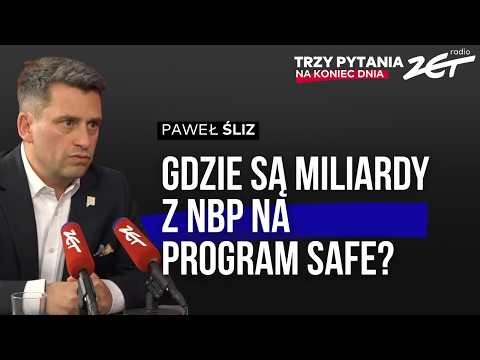
Trzy pytania na koniec dnia - Paweł Śliz
Summary
The Polish Ministry of Health is revising hospital treatment protocols to allow shorter observation periods for patients. This initiative aims to improve patient flow and reduce waiting times, but concerns about the quality of care remain prevalent among healthcare professionals.
Proposed changes to the criminal procedure code in Poland aim to limit temporary detention to prevent unjust deprivation of freedom. Critics express concerns that these amendments may undermine victims' rights, particularly in serious crime cases, and could lead to increased pressure on defendants.
The healthcare system in Poland is underfunded, leading to unacceptable delays in medical diagnostics and treatments. Additionally, there are concerns regarding the increasing presence of Russian-speaking criminal gangs and the need for a clear immigration strategy post-conflict.
The discussion emphasizes the need for a balanced immigration policy to differentiate between genuine threats and law-abiding immigrants. The expresses optimism about the political future of Poland 2050 and its potential to restore public trust.
Perspectives
short
Proponents of Healthcare and Legal Reforms
- Advocate for shorter hospital observation periods to improve patient flow
- Support limiting temporary detention to enhance justice
- Highlight the need for a balanced immigration policy
- Emphasize the importance of restoring public trust in political systems
Critics of Current Reforms
- Question the effectiveness of proposed immigration policies
- Raise doubts about the credibility of political initiatives amid internal conflicts
Neutral / Shared
- Acknowledge the need for urgent strategic planning within the Poland 2050 party
- Recognize the challenges posed by systemic issues in healthcare and law enforcement
Metrics
other
8 percent %
percentage of patients admitted to the Ministry of Health
This statistic highlights the current patient admission rates and the need for protocol changes.
the member of the Ministry of Health and Health has already been admitted to the number 8 percent of the patient.
event_participation
more than 600 units
attendance at a party convention
High attendance may signal ongoing interest despite internal conflicts.
that a lot of people came. How much? More than 600.
gangs
6 units
number of Russian-speaking gangs
The presence of organized crime can significantly impact public safety.
the 6 Russian-speaking gangs have already been developed
Key entities
Timeline highlights
00:00–05:00
The Polish Ministry of Health is revising hospital treatment protocols to allow shorter observation periods for patients. The ruling party, PiS, is urging government action to lower fuel prices amid rising costs linked to geopolitical conflicts.
- The Polish Ministry of Health plans to revise hospital treatment protocols, allowing patients to be admitted for shorter observation periods. This change aims to address concerns about unnecessary extended hospital stays and improve patient care
- The ruling party, PiS, is pressing the government to intervene and lower fuel prices, citing rising costs linked to ongoing conflicts in the Middle East. They argue that immediate action is necessary to alleviate financial pressure on consumers
- Concerns have been raised about the governments delayed response to rising fuel prices, which have surged since the onset of the Ukraine war. Critics suggest that the government is struggling to balance its commitments with the current geopolitical situation
- There are claims from opposition politicians that if they regain power, they would withdraw from a defense funding agreement, potentially jeopardizing military financing. This has sparked fears about the implications for Polands national security
- The discussion around military funding highlights a broader debate on fiscal responsibility and the governments ability to manage economic challenges. Questions remain about the availability of funds and the governments transparency regarding financial resources
- The legislative process regarding a recent bill has been compared to controversial laws affecting fan groups, raising concerns about its implications. The bills potential impact on various sectors, including business and legal professions, underscores the need for careful consideration
05:00–10:00
The proposed changes to the criminal procedure code in Poland aim to limit temporary detention to prevent unjust deprivation of freedom. Concerns have been raised about the potential risks these reforms pose to the integrity of the legal system.
- The proposed changes to the criminal procedure code aim to limit the use of temporary detention. This reform is intended to ensure that individuals are not unjustly deprived of their freedom without a fair trial
- There is a systemic issue with the length of temporary detentions in Poland, often used to pressure defendants into providing testimony. The reform seeks to address this by establishing more rational guidelines for detention periods
- The speaker emphasizes the importance of defending individuals, regardless of the severity of their alleged crimes. This perspective highlights the fundamental principle of legal representation and the need for a fair judicial process
- Concerns have been raised about the potential risks associated with the proposed legal changes, particularly from prosecutorial circles. These apprehensions suggest that the reforms may inadvertently compromise the integrity of the legal system
- The current legal framework should allow for more efficient proceedings, potentially reducing the duration of pre-trial detentions. This could lead to quicker resolutions and less strain on the judicial system
- Despite the challenges posed by the presidential veto of the reform, there is a commitment to revisit the issue within the parliamentary club. This indicates a willingness to negotiate and find common ground on the matter
10:00–15:00
Proposed changes to the legal system in Poland aim to limit pre-trial detention to prevent unjust deprivation of freedom. Critics express concerns that these amendments may undermine victims' rights, particularly in serious crime cases.
- The proposed changes to the legal system aim to address the issue of pre-trial detention in Poland. This is crucial as it seeks to ensure that individuals are not unjustly deprived of their freedom without a proper trial
- Concerns have been raised about the potential risks associated with the proposed legal amendments. Critics argue that these changes could undermine the rights of victims, particularly in cases involving serious crimes like pedophilia
- The speaker emphasizes the importance of a fair legal process, stating that punishment should only occur after a conviction. This highlights the principle that individuals should not be punished without due process
- There is a commitment from the political group to revisit the legislative proposal regarding temporary detention. This indicates a willingness to engage in dialogue and seek a solution that balances justice and public safety
- The speaker expresses a desire to collaborate with the presidential office to refine the proposed changes. This suggests an openness to negotiation and a recognition of the need for legal clarity
- The discussion also touches on the relationship between the Polish government and the media. The speaker criticizes the presidents recent behavior towards journalists, advocating for respectful discourse even in challenging situations
15:00–20:00
The President's upcoming trip to the U.S. raises concerns about his alignment with Poland's foreign policy, particularly in relation to Hungary and Ukraine.
- The Presidents upcoming trip to the U.S. is being characterized as a party event, raising concerns about his alignment with Polands foreign policy
- Tensions with Hungary indicate a complex relationship between the President and Prime Minister Orban, especially after the Presidents previous refusal to meet Orban due to his connections with Putin
- The Hungarian government is seen as hindering aid to Ukraine, which complicates Polands foreign relations and its support for Ukraine
- Delays in the Presidents acceptance of judges oaths raise significant concerns about the rule of law and his commitment to constitutional responsibilities
- The criticized selection process for judges in Poland is viewed as rushed and lacking transparency, potentially eroding public trust in the judicial system
- The political situation in Hungary is vital for Poland, as upcoming elections could shift the balance of power and influence Polands strategic interests
20:00–25:00
The selection process for judges in Poland is designed to ensure individual evaluations rather than collective decisions, which is essential for maintaining judicial integrity. However, concerns about the lack of public hearings and the president's delays in accepting judges' oaths raise doubts about the adherence to constitutional duties and the overall credibility of the judiciary.
- The selection process for judges requires individual votes rather than a collective decision. This ensures that each candidate is evaluated on their own merits, which is crucial for maintaining judicial integrity
- There is a significant concern regarding the lack of public hearings for important judicial appointments. Such hearings are essential for transparency and accountability in the selection process
- The presidents delay in accepting the judges oaths adds to doubts about adherence to constitutional duties. This could undermine the rule of law and the functioning of the judiciary in Poland
- Recent rulings from the European Union have profound implications for the appointment of judges. These decisions challenge the legitimacy of the current judicial appointments and could lead to a reevaluation of past selections
- The argument for individual assessments of judges is strengthened by evidence of political influence in their nominations. This scrutiny is necessary to ensure that judges remain independent and impartial
- The ongoing debate about the judiciarys composition highlights the need for reform in the selection process. Without changes, the credibility of the judicial system may continue to be compromised
25:00–30:00
The name change to Polska 2050 reflects the party's desire for a clearer identity within the political landscape. Internal conflicts and concerns about credibility among party members suggest challenges in maintaining unity and public perception.
- The name change to Polska 2050 was necessary due to previous naming issues. This reflects the partys desire to establish a clearer identity within the political landscape
- There were various proposals for the partys name, indicating a democratic process in decision-making. This highlights the importance of collaboration and consensus within the party structure
- Concerns were raised about the credibility of certain party members following electoral losses. This suggests potential instability and challenges in maintaining party unity moving forward
- The discussion around internal conflicts points to a broader issue of trust among party members. Such divisions could hinder the partys effectiveness and public perception
- The speaker emphasized that decisions made by the party leadership were based on prior knowledge of internal issues. This indicates a level of transparency and accountability within the partys operations
- The speakers commitment to the partys future despite challenges reflects a determination to rebuild and strengthen its position. This could be crucial for the partys resilience in upcoming political contests