Politics / Poland
Pluralistic review of domestic politics through national press, media commentary and public debate across diverse political perspectives. Topic: Poland. Updated briefs and structured summaries from curated sources.
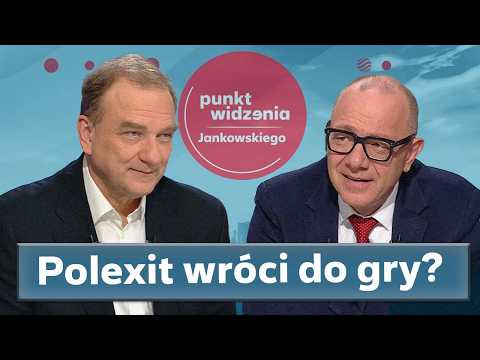
Czy Polska wyśle żołnierzy na Bliski Wschód? Trump naciska NATO
Summary
Discussions highlight the generational shift in family values among young Poles, influenced by negative relationship dynamics observed in previous generations. The emphasis on conservative family ideals is seen as a potential solution to societal instability, though critics argue it may overlook deeper issues.
The reevaluation of traditional family roles reflects significant societal changes, leading to a divide in values regarding relationships. Concerns arise that modern alternatives to marriage may lack the stability provided by traditional structures, potentially undermining family integrity.
Historical ties between Poland and Hungary shape current political dynamics, particularly under Viktor Orbán's leadership. Orbán's advocacy for Hungarian minority rights in Ukraine and reliance on Russian energy complicate Hungary's foreign policy and its relationship with the EU.
Orbán's political strategies are heavily influenced by his dependence on Russian energy, which complicates Hungary's relations with the EU. Public sentiment in Poland remains pro-European, with citizens advocating for a more influential role in EU decision-making amidst rising energy security concerns.
Perspectives
short
Support for Conservative Family Values
- Emphasizes the importance of traditional family structures for societal stability
- Argues that young peoples hesitance to marry stems from negative relationship dynamics
- Highlights the need for mutual respect and conservative ideals in family life
Critique of Traditional Values
- Questions the effectiveness of conservative family values in addressing modern relationship complexities
Neutral / Shared
- Acknowledges the historical relationship between Poland and Hungary as a factor in current political dynamics
- Notes the publics pro-European sentiment in Poland amidst discussions on energy security
Metrics
public_sentiment
72.8 %
support for the European Union
This high percentage indicates strong pro-European sentiment among Polish citizens.
The most recent 72.8 are the European Union's independent state.
other
50%
population of Polish citizens regarding EU goals
This statistic highlights the significant portion of the population engaged in EU-related discussions.
the population of 50% of our Polish citizens is the purpose of the EU
Key entities
Timeline highlights
00:00–05:00
Young people's hesitance to marry is influenced by their observations of negative relationship dynamics, leading to a generational shift in family values. The discussion emphasizes the importance of mutual respect and conservative family ideals for societal stability.
- Young peoples reluctance to commit to marriage stems from fears of risk and instability, reflecting a generational divide in attitudes towards family
- Many young individuals have been influenced by witnessing negative relationship dynamics, such as violence and infidelity, which affects their willingness to engage in traditional family structures
- The conversation highlights the necessity of partnership and mutual respect in relationships, as their absence threatens family stability
- Societal transformations have played a role in shaping current relationship dynamics, leaving many feeling disconnected from traditional family values
- Children often suffer the consequences of their parents relationship issues, perpetuating a cycle of dysfunction and misunderstanding between generations
- The discussion advocates for a return to conservative family values, arguing that reinforcing these ideals is essential for societal stability
05:00–10:00
Younger generations in Poland are reevaluating traditional family roles due to significant societal changes, leading to a divide in values and expectations regarding relationships. Critics express concern that modern alternatives to marriage may lack the stability and security provided by traditional marriage, potentially undermining family structures.
- Younger generations are increasingly reevaluating traditional family roles due to significant societal changes, leading to a divide in values and expectations regarding relationships
- The rapid societal transformations in Poland have prompted younger individuals to reconsider conventional family structures, creating challenges in their personal lives
- The emergence of the manosphere reflects a shift in mens expectations of women, raising concerns about unrealistic standards in relationships
- Critics argue that modern alternatives to marriage lack the stability and security that traditional marriage provides, potentially undermining family structures
- The relationship between Poland and Hungary is complex, shaped by historical ties and differing views on Russia, complicating international relations
- Current political and societal shifts may threaten family values, highlighting the need to return to foundational principles for societal stability
10:00–15:00
The historical relationship between Poland and Hungary has shaped current political dynamics, particularly under Viktor Orbán's leadership. Orbán's advocacy for Hungarian minority rights in Ukraine and reliance on Russian energy are key factors influencing Hungary's foreign policy.
- The historical relationship between Poland and Hungary is significant, characterized by numerous positive interactions that influence current political dynamics in the region
- Viktor Orbáns interpretation of Polish history shapes his political views, affecting Hungarys relations with both Ukraine and Russia
- The legacy of the Treaty of Trianon, which drastically reduced Hungarys territory post-World War I, continues to influence Hungarian political motivations today
- Orbán advocates for the rights of the Hungarian minority in Ukraine, asserting they face unfair treatment, which heightens tensions between Hungary and Ukraine
- Hungarys reliance on Russian energy is a key factor in Orbáns political strategy, impacting both foreign policy and relations with the European Union
- The interplay of historical ties and current political maneuvers under Orbán illustrates the complexities of European geopolitics, essential for understanding future regional developments
15:00–20:00
Viktor Orbán's political strategies are heavily influenced by his reliance on Russian energy, complicating Hungary's relations with the EU. Public sentiment in Poland remains pro-European, with citizens advocating for greater influence in EU decision-making amidst rising concerns over energy security.
- Viktor Orbáns reliance on Russian energy significantly shapes his political strategies, complicating Hungarys relations with the EU and its stance on Russia
- Orbáns historical connections to Russia and critical perspective on Ukraine influence his political narrative, potentially affecting Hungarys diplomatic relations within the EU
- The upcoming elections in Hungary are pivotal, as a change in leadership could lead to a more critical approach towards Russia and a reassessment of foreign relations
- Public sentiment in Poland remains strongly pro-European, with citizens pushing for greater influence in EU decision-making, reflecting a desire to assert national interests
- The urgency surrounding climate policy and energy security in Poland is rising, with warnings that stricter regulations could trigger significant political unrest in Europe
- Emphasizing domestic energy resources is crucial for Polands energy security, highlighting the need for self-sufficiency to ensure political stability
20:00–25:00
Poland values its EU membership but seeks a more influential role in shaping EU policies. Concerns are growing regarding the EU's climate policies, particularly the Emissions Trading System, prompting discussions about potential withdrawal.
- Poland values its EU membership for the benefits it brings, but citizens seek a more influential role in shaping EU policies rather than being constrained by a rigid structure
- The idea of deploying Polish soldiers to the Middle East is seen as premature, although some countries are starting to show support for U.S. initiatives in the region
- Poland recognizes the need to be ready to support NATO if required, but there is currently no immediate threat that necessitates military involvement in the Middle East
- Concerns are growing regarding the EUs climate policies, especially the Emissions Trading System, with many Poles advocating for a reassessment due to potential economic repercussions
- Discussions are underway about possibly withdrawing from ETS2, as it directly affects households, reflecting a belief among Poles that current climate policies may not be sustainable
- Calls for a renewed focus on domestic energy resources, particularly coal, are increasing in Poland, as this is viewed as essential for maintaining energy security amid evolving European regulations
25:00–30:00
Poland is reconsidering its energy strategy, particularly the potential resurgence of coal, amid EU climate policy debates. This shift is crucial for enhancing Poland's energy security and addressing public concerns over proposed regulations.
- The potential resurgence of Polish coal as an energy source reflects a shift in political attitudes towards domestic energy resources amid EU climate policy debates. This change is seen as crucial for Polands energy security
- Concerns about the proposed ETS2 climate policy suggest it could lead to significant political unrest within the EU, as many citizens oppose its current formulation. This opposition indicates a disconnect between policymakers and public sentiment
- The push for ETS2 may worsen existing economic challenges, particularly with rising energy costs impacting industries. Policymakers could face backlash if they enforce regulations without addressing public concerns
- Poland should exercise caution regarding the deployment of troops to support U.S. actions in the Middle East, as the situation remains complex
- The discussion emphasizes the importance of energy independence for Poland, especially given current geopolitical tensions. Reliance on foreign energy sources is viewed as a vulnerability that needs to be addressed for national security
- The segment concludes with a warning that current energy strategies may not sufficiently protect Poland during crises. A strong domestic energy policy is deemed essential for ensuring future resilience