Politics / Poland
Pluralistic review of domestic politics through national press, media commentary and public debate across diverse political perspectives. Topic: Poland. Updated briefs and structured summaries from curated sources.
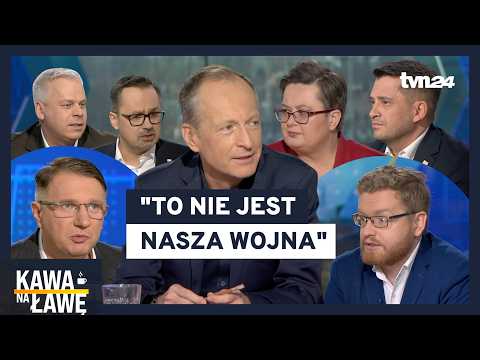
Lubnauer: jeśli zmieniłby się rząd, nie wykluczam, że nasi żołnierze musieliby pojechać do Iranu
Summary
Donald Trump has expressed concerns about countries not supporting the U.S., particularly regarding Poland's military role. The dialogue surrounding Poland's military involvement seems more politically motivated than based on actual military needs. Poland's government has decided against sending troops to Iran, emphasizing a commitment to avoid unnecessary military involvement. This decision reflects a broader political division regarding foreign policy and military alliances in Poland.
The Polish government has firmly decided against sending troops to Iran, emphasizing the importance of maintaining a consistent foreign policy stance. This decision reflects Poland's commitment to avoiding unnecessary military involvement and prioritizing national interests amidst rising tensions in the region.
Perspectives
LLM output invalid; stored Stage4 blocks + metrics only.
Key entities
Timeline highlights
00:00–05:00
Donald Trump has expressed concerns about countries not supporting the U.S., particularly regarding Poland's military role. The dialogue surrounding Poland's military involvement seems more politically motivated than based on actual military needs.
- Donald Trump has claimed that countries not supporting the U.S. are failing their allies, raising concerns about Polands military role in the region
- Karol Rabenda stated that Poland requires a formal request from the government to deploy troops to the Middle East, indicating that without such a request, military discussions are moot
- The dialogue regarding Polands military involvement appears to be more about political strategy than actual military needs, revealing a gap between political statements and military preparedness
- There are concerns that any Polish military presence in the region would be largely symbolic and unlikely to enhance operational effectiveness, emphasizing the need to focus on existing defense commitments
- Katarzyna Lubnauer cautioned that a change in government could result in Polish troops being sent to Iran, highlighting the influence of the current administrations alignment with Trump on military decisions
- The ongoing conflict is perceived as primarily serving Israels interests and Trumps agenda, rather than benefiting Poland, with rising oil and gas prices posing economic challenges for the country
05:00–10:00
Poland's government has decided against sending troops to Iran, emphasizing a commitment to avoid unnecessary military involvement. This decision reflects a broader political division regarding foreign policy and military alliances in Poland.
- Polands government has firmly stated that it will not send troops to Iran, emphasizing that this is not Polands war. This decision reflects a commitment to avoid unnecessary military involvement in conflicts that do not directly threaten national security
- Przemysław Wipler from the Confederation argued that no Polish soldier should risk their life in the Middle East, highlighting the dangers of foreign military engagements. His stance underscores a broader sentiment against participating in conflicts driven by external powers
- Marcin Horała from the Law and Justice party criticized Donald Tusk for his anti-Trump rhetoric, suggesting that Tusks position is politically motivated rather than based on national interest. This indicates a division in Polish politics regarding foreign policy and military alliances
- Katarzyna Lubnauer from the Civic Coalition warned that a change in government could lead to Polish soldiers being sent to Iran, as the current ruling party aligns closely with Trump. This raises concerns about the potential shift in Polands foreign policy direction under different leadership
- Dariusz Standerski from the Left emphasized the need for a unified government stance on military involvement, suggesting that the president should clarify Polands position during international discussions. This highlights the importance of clear communication in foreign policy to avoid misunderstandings
- The discussion also touched on the economic implications of military actions, particularly regarding fuel prices and energy security. Participants noted that Polands interests lie in ensuring stable energy supplies rather than engaging in conflicts that could disrupt these resources
10:00–15:00
The Polish government has firmly decided against sending troops to Iran, emphasizing the importance of maintaining a consistent foreign policy stance. This decision reflects Poland's commitment to avoiding unnecessary military involvement and prioritizing national interests amidst rising tensions in the region.
- The Polish government firmly opposes sending troops to Iran, highlighting the need for a consistent stance amid President Trumps fluctuating military policies. This clarity is vital to avoid being drawn into conflicts that do not serve Polands national interests
- Concerns are rising about potential military action in Iran, particularly following Trumps threats to bomb Iranian facilities. This unpredictability underscores the necessity for a clear and unified response from Polish leadership
- Poland is actively seeking alternative oil transport routes to counter potential blockades in the Strait of Hormuz. Securing these alternatives is crucial for maintaining energy security and economic stability
- Should the situation deteriorate and current plans fail, the government may need to reassess its military intervention stance. However, immediate military action is currently viewed as unnecessary given the existing circumstances
- Discussions emphasize the importance of Poland asserting its own interests rather than aligning too closely with U.S. foreign policy
- The risk of military conflict in the region poses significant threats to Poland, especially given the proximity of ongoing wars. Consequently, deploying Polish soldiers to such a volatile area is considered highly unwise