Politics / Poland
Pluralistic review of domestic politics through national press, media commentary and public debate across diverse political perspectives. Topic: Poland. Updated briefs and structured summaries from curated sources.
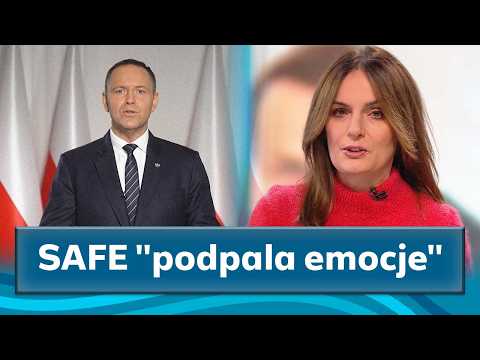
SAFE "podpala emocje". Polityczny spór się zaostrza
Summary
Political tensions have escalated regarding the SAFE initiative, with accusations directed at Donald Tusk for allegedly creating a political trap. The implications of the SAFE proposal and the nomination of Przemysław Czarnek as PiS's prime minister candidate could significantly influence Poland's future with the EU.
Concerns about the SAFE agreement's implications for Poland's financial commitments to the EU are growing, with accusations of political maneuvering by Tusk's government. The political landscape is increasingly polarized, affecting perceptions of leadership and future negotiations with the EU.
The president's military funding decisions have raised significant concerns about accountability and national security. Criticism of the president's leadership and the ideological divides in the Sejmary are impacting governance and public trust.
The government is facing criticism for a lack of transparency and ineffective communication regarding military funding and defense strategies. Concerns are growing about the implications of the SAFE initiative and its potential to undermine Poland's long-term defense capabilities.
Perspectives
Political tensions are high regarding the SAFE initiative and its implications for military funding and governance.
Supporters of SAFE and Tusk
- Accuses the government of political maneuvering regarding SAFE
- Questions the effectiveness of the current military funding strategy
- Highlights the need for transparency in military funding decisions
- Emphasizes the importance of EU negotiations for Polands future
- Critiques the lack of accountability in government actions
Opponents of SAFE and Tusk
- Claims Tusk created a political trap with the SAFE initiative
- Argues that the presidents decisions jeopardize national security
- Denies the effectiveness of Tusks leadership in managing the crisis
- Accuses the government of failing to communicate effectively with the public
- Highlights the risks of political polarization affecting governance
Neutral / Shared
- Discusses the implications of military funding decisions on national security
- Raises questions about the future of Polands defense capabilities
- Notes the internal dissent within the party regarding Czarneks candidacy
Metrics
debt
200 billion dollars USD
potential financial burden from SAFE
This figure highlights the significant financial implications of the SAFE agreement for Poland.
it wouldn't have been 200 billion dollars.
other
the president has been protecting himself for a few days
president's actions regarding military funding
This indicates a potential lack of accountability in leadership.
the president has been protecting himself for a few days
funding
20 billion from the US USD
potential military funding from the US
This funding is crucial for addressing current defense needs.
the government does not use all the means, probably 20 billion from the US
other
70% of the population was taken away from the country.
population displacement due to conflict
This significant displacement impacts military recruitment and national stability.
70% of the population was taken away from the country.
other
we have to pay three years of money. years
financial commitments related to military funding
Long-term financial obligations could strain future military budgets.
we have to pay three years of money.
other
40 civilians units
number of civilians mentioned
This figure highlights the human aspect of military discussions.
We got 40 civilians.
funding
20 billion won in 2004 PLN
historical military funding
This amount reflects past military funding levels, which are critical for assessing current needs.
20 billion won in 2004
public opinion
46% of the Internet is saying that
public sentiment regarding the SAFE initiative
This percentage indicates significant public concern about the initiative's implications.
46% of the Internet is saying that
Key entities
Timeline highlights
00:00–05:00
Donald Tusk faces accusations of creating a political trap regarding SAFE, raising concerns about his political strategy and potential mismanagement. The implications of the SAFE proposal and the nomination of Przemysław Czarnek as PiS's prime minister candidate could significantly influence Poland's future with the EU.
- Donald Tusk is accused of creating a political trap regarding SAFE, intensifying the conflict and raising questions about his political strategy
- Concerns arise over whether PiS genuinely wants to exit the EU, which would significantly impact Polands sovereignty
- Doubts about Tusks handling of SAFE suggest potential mismanagement that could harm his political standing
- The presidents decision on SAFE is debated as either strategic or mistaken, affecting the governments credibility
- The SAFE proposal is seen as either vital military support or a risky financial move, influencing public trust in government finances
- The political fallout from the SAFE dispute indicates both sides may gain, revealing deeper strategic motives
05:00–10:00
Concerns about the SAFE agreement's implications for Poland's financial commitments to the EU are growing, with accusations of political maneuvering by Donald Tusk's government. The political landscape is increasingly polarized, affecting perceptions of leadership and future negotiations with the EU.
- The Prime Ministers actions on SAFE raise concerns about its benefits for Poland, suggesting a strategic maneuver against the EU agreement
- Skepticism surrounds the SAFE agreements financial implications, with critics warning of a potential debt burden that the government has not addressed
- Political polarization over Polands sovereignty and EU relations is expected to shape future dynamics and decisions
- Donald Tusks government faces accusations of mishandling the SAFE situation, which could impact perceptions of his leadership
- Both political sides are leveraging the SAFE conflict for gain, indicating a strategic use of the situation to rally support
- Concerns about Polands financial commitments to the EU are likely to intensify as the political landscape evolves
10:00–15:00
The president's military funding decisions have raised significant concerns about accountability and national security. Criticism of the president's leadership and the ideological divides in the Sejmary are impacting governance and public trust.
- The presidents decisions on military funding have sparked controversy, raising questions about governmental accountability and national security
- Accusations of political motivation behind the presidents actions could undermine public trust in defense management
- Criticism of the presidents leadership due to failure to sign critical documents impacts the governments credibility with the military
- Deep ideological divides in the Sejmary regarding military policy hinder effective governance and decision-making
- The media significantly shapes public perception of military funding, necessitating careful government navigation to maintain support
- Opposition narratives about military readiness increase pressure on the government to justify its defense strategies
15:00–20:00
The government is facing criticism for a lack of transparency and ineffective communication regarding military funding and defense strategies. Concerns are growing about the implications of the SAFE initiative and its potential to undermine Poland's long-term defense capabilities.
- The government is avoiding transparency, hindering constructive debate and increasing polarization
- Misalignment between the government and president on military issues prevents effective communication
- Inadequate funding strategies threaten the countrys defense capabilities
- The SAFE initiative is viewed as a temporary fix, raising concerns about sustainable military funding
- Current geopolitical tensions highlight the need for a European army and greater military collaboration
- Criticism of the governments military funding strategy risks eroding public trust
20:00–25:00
Concerns are rising regarding the implications of the President's SAFE initiative on military funding and preparedness. Political polarization may obstruct necessary reforms in defense strategy.
- The Presidents decision on SAFE raises concerns about military funding and future preparedness. Political polarization may hinder necessary reforms in defense strategy
25:00–30:00
Negotiations with banks are essential for financing the Polish army, reflecting a strategic approach to resource allocation. The Prime Minister's leadership is under scrutiny amid concerns about military funding and the implications of EU decisions.
- Negotiations with banks are crucial for financing the Polish army, reflecting a strategic resource allocation approach
- The Prime Ministers leadership is questioned, indicating uncertainty in military funding decisions
- Criticism of the EUs decisions raises concerns about their impact on Polands financial agreements
- The Polish government prioritizes national security while navigating political debates
- The Constitution poses legal challenges for Polands financial commitments
- Agreements with the EU are anticipated, potentially reshaping national policy