Politics / Poland
Judicial Ceremony in Poland
Marek Siwiec discusses the upcoming swearing-in ceremony for judges of the Constitutional Tribunal, emphasizing its modest nature. The judges themselves initiated this alternative approach, aiming for a less formal event amidst ongoing political tensions.
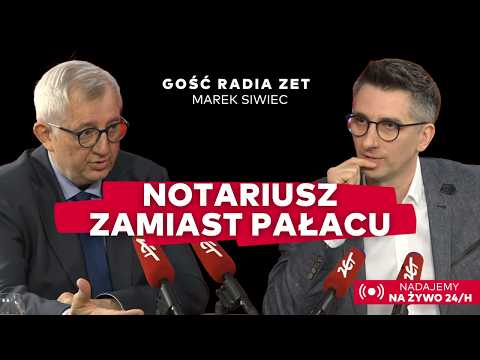
Source material: Siwiec ujawnia kulisy ślubowania: "Będzie notariusz, bez pompy" - Gość Radia ZET
Summary
Marek Siwiec discusses the upcoming swearing-in ceremony for judges of the Constitutional Tribunal, emphasizing its modest nature. The judges themselves initiated this alternative approach, aiming for a less formal event amidst ongoing political tensions.
Concerns arise regarding the legitimacy of the ceremony, particularly due to the absence of the president and accusations from opposition parties labeling it a political stunt. The reliance on a notary for the swearing-in process raises questions about public trust and the effectiveness of such measures.
The political climate in Poland is characterized by increasing dissatisfaction with the government's actions, leading to discussions about a constitutional reset. The effectiveness of newly appointed judges is directly implied to be compromised by the contentious political environment.
Discussions about a potential referendum on Poland's judicial system reflect public desire for constitutional changes, though the direction of these changes remains uncertain. Concerns about the government's handling of cryptocurrency regulations and the need for collaboration between parliament and the president are also emphasized.
Perspectives
short
Judges and Supporters
- Propose a modest swearing-in ceremony to reflect simplicity and dignity
- Highlight the judges autonomy in organizing their own ceremony
- Emphasize the need for transparency and public engagement in judicial processes
- Argue that the absence of the president signals a political rift affecting judicial integrity
- Assert that the reliance on a notary can legitimize the ceremony despite political controversy
Opposition and Critics
- Accuse the judges of staging a political stunt by organizing a less formal ceremony
- Claim that the absence of the president undermines the legitimacy of the judicial process
- Question the effectiveness of the judges actions in restoring public trust
- Label the initiative as a reflection of deeper political tensions within the government
- Criticize the reliance on a notary as insufficient for ensuring judicial legitimacy
Neutral / Shared
- Discuss the potential for a referendum on judicial reforms
- Mention the ongoing dissatisfaction with the governments actions
- Highlight the need for collaboration between parliament and the president
Metrics
public_discontent
71%
percentage of questions indicating dissatisfaction with the parliament's actions
This high level of discontent signals a significant public demand for change in governance.
71% of the questions say that no.
public_support
80%
percentage of people wanting constitutional change
Indicates significant public interest in reforming the judicial system.
if we believe that 80% of the people want to change the constitution
citizens_affected
millions people
number of people involved in cryptocurrency markets
Highlights the scale of the issue regarding regulatory clarity.
millions of people, and they don't want to give up
other
two years
time frame for committee's functioning
This duration indicates a prolonged inefficiency in the committee's operations.
Today I was in the middle of the two years
Key entities
Timeline highlights
00:00–05:00
The upcoming swearing-in of judges in the Sejm is primarily organized by the judges themselves, reflecting their desire for a less formal ceremony amid ongoing constitutional tensions. This event, expected to be modest and exclusive, raises concerns about transparency and public engagement in judicial processes.
- Marek Siwiec indicates that the upcoming swearing-in of judges in the Sejm is an initiative led by the judges themselves. This approach reflects their desire for a less formal ceremony amidst ongoing constitutional tensions
- The event is expected to be modest, lacking the usual pomp and circumstance associated with such occasions. Siwiec emphasizes that a notary will play a crucial role in certifying the proceedings
- There is uncertainty regarding the attendance of the President, with indications suggesting he may not participate. This absence could further highlight the unusual nature of the event and the ongoing political climate
- Siwiec clarifies that the organization of the swearing-is primarily the responsibility of the judges, not the Sejms office. This distinction underscores the judges autonomy in this unprecedented situation
- The ceremony will not be a public gathering, and attendance will be limited to invited guests, including former presidents of the Constitutional Tribunal. This exclusivity adds to doubts about transparency and public engagement in judicial processes
- Siwiec notes that the event is a response to the judges obligations to fulfill their mandates despite the political challenges. This commitment to duty may set a precedent for how judicial appointments are handled in the future
05:00–10:00
The upcoming swearing-in ceremony for judges in Poland is organized by the judges themselves, aiming for a modest and dignified event amidst political tensions. Concerns have been raised regarding the legitimacy of the ceremony, particularly due to the absence of the president and accusations from opposition parties labeling it a political stunt.
- Marek Siwiec emphasizes that the upcoming swearing-in ceremony for judges will be modest and devoid of grandiosity. This decision reflects the judges desire for a simple and dignified process amidst political tensions
- The event is organized by the judges themselves, indicating their commitment to fulfilling their constitutional duties despite the ongoing political crisis. This self-initiative highlights the judges determination to uphold the rule of law in Poland
- Siwiec notes that a notary will play a crucial role in certifying the swearing-in, which he believes is essential for the legitimacy of the process. This reliance on a notary underscores the procedural importance of the ceremony in the eyes of the judiciary
- There are concerns from opposition parties regarding the legitimacy of the ceremony, labeling it as a political stunt and a violation of constitutional norms. Such accusations could further polarize the political landscape and challenge the authority of the judiciary
- The absence of the president at the ceremony adds to doubts about the acceptance of the judges oaths and the potential for conflicting interpretations of their legitimacy. This situation could lead to complications in the relationship between the judiciary and the executive branch
- Siwiec argues that the judges commitment to their oaths is a matter of public interest and should not be undermined by political disputes. The outcome of this ceremony may set a precedent for how judicial appointments are handled in the future
10:00–15:00
The political climate in Poland is characterized by increasing dissatisfaction with the government's actions, leading to discussions about a constitutional reset. Concerns about the legitimacy of the judges' swearing-in ceremony and the effectiveness of newly appointed judges persist amidst ongoing political tensions.
- The political climate in Poland is increasingly marked by dissatisfaction with the governments actions, prompting discussions about a constitutional reset to address judicial chaos
- Concerns persist regarding the legitimacy of the judges swearing-in ceremony in the Sejm, with skepticism about its ability to resolve the ongoing crisis in the Constitutional Tribunal
- The presidents position on the judges swearing-is contentious, raising doubts about the effectiveness of the newly appointed judges under current conditions
- Anticipated protests reflect public discontent with the governments approach to judicial appointments, and law enforcement is expected to respond seriously to these demonstrations
- Debates surrounding the constitutional reset reveal a divide among political factions, with some advocating for changes to protect interests while others call for principled governance
- The risk of legal consequences for those organizing the judges swearing-in highlights tensions between government authority and advocates for judicial independence
15:00–20:00
The discussion highlights the potential for a referendum on Poland's judicial system, reflecting public desire for constitutional changes, though the direction of these changes remains uncertain. Concerns about the government's handling of cryptocurrency regulations and the need for collaboration between parliament and the president are also emphasized.
- The discussion centers on the potential for a referendum regarding the judicial system in Poland. This could reflect a significant public desire for constitutional changes, but the exact direction of those changes remains unclear
- There is skepticism about the effectiveness of a referendum to resolve ongoing disputes about the judiciary. Historical context shows that previous constitutional debates have led to deep divisions rather than consensus
- The speaker recalls intense debates surrounding the adoption of the current constitution, suggesting that similar conflicts could arise if changes are proposed now. Without a basic agreement on the desired changes, initiating reform processes may lead to further stalemate
- Concerns are raised about the governments handling of cryptocurrency regulations, with calls for urgent legislative action. The speaker emphasizes the need for collaboration between the parliament and the president to address these pressing issues effectively
- The segment highlights the potential risks associated with the growing involvement of citizens in cryptocurrency markets. With millions affected, there is an urgent need for regulatory clarity to protect public interests
- The speaker criticizes the current government for its perceived inaction and inefficiency regarding economic policies. This criticism underscores a broader frustration with the administrations ability to respond to emerging financial challenges
20:00–25:00
The discussion highlights the evolution of pyramid schemes in Poland, now linked to sports and cryptocurrency investments. Concerns about legislative cooperation and the viability of financial regulations persist amidst ongoing political tensions.
- The emergence of pyramid schemes has evolved into a more sophisticated form, now linked to the promotion of Polish sports. This shift highlights the ongoing risks associated with cryptocurrency investments
- A Polish official expressed skepticism about the viability of a presidential project related to financial regulations. He emphasized that without clear justification, the legislation would not progress
- The official noted that a new proposal aims to access funds surrounding the National Bank of Poland, but it must avoid constitutional pitfalls. This indicates a careful approach to financial governance amidst ongoing debates
- There is a concern that the legislative process is being hindered by a lack of cooperation between the presidency and the parliament. This impasse could delay important reforms that are necessary for economic stability
- The official criticized the notion that the parliament operates like a freezer for presidential initiatives, arguing that this perception undermines the legislative process. He called for a more collaborative approach to ensure effective governance
- The discussion also touched on the influence of international leaders, with a specific mention of Hungarys Prime Minister. This reflects the broader geopolitical dynamics that may impact Polands legislative priorities
25:00–30:00
The upcoming swearing-in ceremony for Constitutional Tribunal judges will be modest and reflects the judges' preference for simplicity. This decision may indicate a shift in the perception and conduct of judicial ceremonies in Poland amidst ongoing political tensions.
- Marek Siwiec revealed that the upcoming swearing-in ceremony for Constitutional Tribunal judges will be modest and without formalities. This decision reflects the judges preference for a simpler approach to the event
- A notary will play a crucial role in the ceremony by certifying the swearing-in process. This highlights the importance of legal validation in what is typically a ceremonial event
- There is potential for the presence of the Speaker of the Sejm and invitations have been extended to former presidents of the Constitutional Tribunal. However, there are no indications that the President will attend, which could signal a political divide
- Siwiec emphasized that the initiative for this alternative ceremony came directly from the judges themselves. This autonomy suggests a shift in how judicial ceremonies may be perceived and conducted in the future
- The lack of pomp and circumstance in the ceremony may reflect broader sentiments about the current political climate in Poland. It adds to doubts about the relationship between the judiciary and the state amidst ongoing tensions
- Siwiecs comments may foreshadow a trend towards more understated public ceremonies in the judiciary. This could influence how future events are organized and perceived by the public