Politics / Poland
Pluralistic review of domestic politics through national press, media commentary and public debate across diverse political perspectives. Topic: Poland. Updated briefs and structured summaries from curated sources.
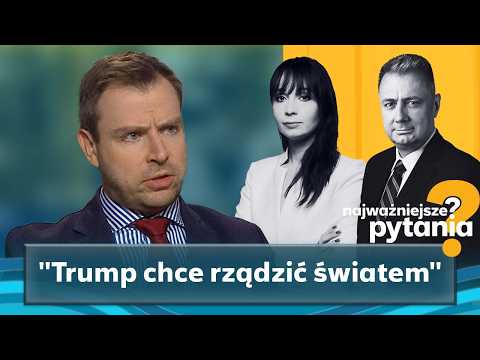
Tylu Polaków chce opuścić UE. Ekspert: Niepokoi coś innego
Summary
Recent discussions highlight a significant divide in Polish public opinion regarding EU membership, with a notable percentage expressing skepticism towards EU institutions. Despite a strong inclination to remain in the EU, many citizens feel disconnected from the benefits of membership, raising concerns about Poland's role within the Union.
Younger generations increasingly view the EU as a threat to traditional values, influenced by right-wing narratives that undermine integration efforts. This perception complicates Poland's ability to engage effectively with EU policies, fostering feelings of alienation despite the advantages of membership.
Internal divisions within the Polish government regarding EU relations reflect broader societal concerns about economic impacts and cultural identity. The ongoing war in Ukraine has prompted a reassessment of Poland's EU relationship, as rising right-wing sentiments challenge the narrative of European unity.
The U.S. administration's foreign policy, characterized by a top-down approach, limits expert involvement and leads to erratic decision-making. This dynamic raises questions about Poland's understanding of American political dynamics and its implications for foreign policy, particularly in relation to the EU.
Perspectives
short
Pro-EU
- Supports remaining in the EU despite skepticism towards institutions
- Highlights benefits of EU membership for Polands economy
- Emphasizes the need for Poland to engage more effectively in EU discussions
Skeptical of EU
- Views the EU as a threat to traditional values
- Expresses concerns about economic impacts of EU policies
- Critiques the disconnect between Polish citizens and EU institutions
Neutral / Shared
- Acknowledges the influence of right-wing narratives on public perception
- Recognizes the impact of the war in Ukraine on EU relations
- Notes the need for a more adaptable foreign policy strategy
Metrics
other
one-third of the work that was before these clean trams units
the effectiveness of the national security team
This indicates a significant reduction in operational capacity.
one-third of the work that was before these clean trams
other
thousands of goals in 24 hours units
military operations
This indicates the scale of military engagement and reliance on technology.
Thousands of goals in 24 hours must be taken by machine engines
other
the most important thing is to bring your support to the front
U.S. military support for Europe
This indicates a shift in U.S. commitment to European security.
the most important thing is to bring your support to the front
other
the Democrats fell asleep, they got awake
Democratic Party's response to electoral challenges
This reflects a potential shift in voter sentiment and party dynamics.
the Democrats fell asleep, they got awake
other
the first election of the year is always in the way that the first election is in the way of representatives
Timing of elections
This highlights the importance of early elections in shaping party strategies.
the first election of the year is always in the way that the first election is in the way of representatives
public_skepticism
80%
percentage of Americans afraid of the influence of artificial intelligence
This reflects significant public concern that could influence future political discussions.
80% of Americans are afraid of the influence of international intelligence and the American economy.
public_opinion
68%
percentage of people believing in the influence of wealth in politics
This sentiment could drive political narratives around economic inequality.
68% or more are believed that billions of people have a lot of political and public United States.
Key entities
Timeline highlights
00:00–05:00
A recent survey indicates that 50% of Poles strongly support remaining in the European Union, reflecting a significant rejection of Polexit. However, many Poles express skepticism towards EU institutions, highlighting a disconnect between public sentiment and the perceived benefits of EU membership.
- A recent survey shows that 50% of Poles strongly support remaining in the European Union, indicating a widespread rejection of the idea of Polexit
- Despite this majority, many Poles express skepticism towards EU institutions, suggesting a gap between public sentiment and the perceived advantages of EU membership
- The topic of Polexit has gained traction as political groups exploit anti-EU feelings, signaling a shift in the political discourse around EU membership
- Many Poles do not feel a sense of belonging to the EU, which could limit their influence on EU policies and decisions
- The survey reveals a significant number of Poles oppose deeper EU integration, particularly in defense matters, complicating Polands future role in the EU
- The ongoing discussions about Polands position in the EU highlight deeper issues of national identity and trust in European institutions, which need to be addressed for a stronger relationship
05:00–10:00
Younger generations in Poland increasingly perceive the EU as a threat to traditional values, influenced by right-wing narratives. This perception undermines Poland's ability to integrate and influence EU policies, contributing to feelings of alienation despite the benefits of membership.
- Younger generations in Poland, who once celebrated EU membership, now increasingly view the EU as a threat to traditional values, influenced by right-wing rhetoric
- Right-wing narratives depict the EU as a cultural imposition, contrasting it with a familiar threat from Russia, which may lead Poland to align more with Eastern civilization
- The perception of the EU as an external force undermines Polands ability to integrate and influence EU policies, limiting its national identity within the union
- Many Poles remain unaware that their politicians negotiate EU programs, contributing to feelings of alienation despite the benefits of membership
- Skepticism towards the West has historical roots in Poland, but current right-wing discourse amplifies fears of the EU, overshadowing its achievements
- The debate over Polands role in the EU reflects deeper issues of national identity and sovereignty, which are essential for fostering a sense of belonging in Europe
10:00–15:00
Internal divisions within the Polish government regarding EU membership highlight concerns about economic impacts from losing access to EU markets. The war in Ukraine has prompted a reassessment of Poland's EU relationship amid rising right-wing sentiments.
- Internal divisions within the Polish government regarding EU membership reflect concerns about potential economic impacts from losing access to EU markets and funds
- Radical right-wing factions in Poland perceive the EU as a threat to national sovereignty, mirroring a broader skepticism towards the EU seen in other countries
- The war in Ukraine has led to a reassessment of Polands EU relationship, emphasizing the need for a more pragmatic approach amid rising right-wing sentiments
- Cultural conflicts from the U.S. are shaping political discussions in Europe, including Poland, as conservative movements gain traction
- Public perception often overlooks the EUs successes, raising concerns about its effectiveness in communicating achievements to member states
- The discourse on immigration and environmental policies is causing a shift in political identities in Poland, with some traditional liberals adopting right-wing views
15:00–20:00
European and American perspectives on identity and rights differ significantly, complicating local discussions in Europe. The EU's limited treaty powers hinder its ability to address social issues effectively.
- European and American perspectives on identity and rights differ significantly, indicating that European societies may not fully understand the depth of cultural debates in the U.S
- The European Unions lack of a clear position on gender identity reflects its limited treaty powers, which may impede progress on social issues among member states
- Political discourse in Europe is increasingly shaped by American cultural conflicts, potentially misaligning European values and complicating local discussions
- Critics express frustration with the EUs bureaucratic handling of social issues, arguing that this detachment hinders meaningful engagement on topics like marriage equality
- Debating fundamental aspects of identity, such as gender, in a political context highlights a societal struggle to balance traditional views with evolving understandings
- European political leaders are adopting rhetoric from the U.S, suggesting a shift in strategies to connect with constituents amid changing cultural dynamics
20:00–25:00
The United States plays a significant role in shaping European cultural and political discussions, particularly regarding feminism and social justice. In Poland, there is a growing recognition that the American model may be unsustainable due to rising inequalities and inadequate public services.
- The United States significantly influences European cultural and political discussions, particularly on feminism and social justice, often overshadowing local issues
- The shift from traditional media to algorithm-driven platforms in Europe has changed perceptions of transatlantic relations, highlighting Europes struggle to define its own narrative
- Polands relationship with the U.S. is complex, with many viewing the country as a potential 51st state, reflecting admiration for American individualism despite local challenges
- There is increasing recognition in Poland that the American model may be unsustainable due to rising inequalities and inadequate public services, prompting a reassessment of its alignment with the U.S
- Political factions in Poland differ in their views on the U.S, with right-leaning groups pushing for a strong defense alliance while centrist voices criticize the American system as flawed
- Polands ongoing identity debate is complicated by its historical ties to the U.S, necessitating a balance between these influences and its national interests
25:00–30:00
The perception of the United States has shifted significantly, particularly regarding the impact of Trump's administration on global politics. This change raises concerns about Poland's understanding of American political dynamics and its implications for foreign policy.
- The perception of the United States has changed, with many seeing Trumps administration as a significant shift from past norms, raising concerns about Polish understanding of American politics
- Trumps unique ability to capture global attention often distracts from critical geopolitical issues, indicating a disconnect between U.S. media narratives and the realities faced by countries like Poland
- The current U.S. administrations foreign policy, especially regarding the Middle East, suggests a potential reduction in military involvement
- There is increasing worry that traditional democratic processes and public engagement in the U.S. are deteriorating
- U.S. foreign policy has historically relied on institutional decision-making, but recent trends indicate a shift towards unilateral actions
- These changes pose significant challenges to the established international order, compelling Poland and other nations to reassess their foreign policy strategies and alliances