Politics / Iraq
Iraqi Parliament Legislative Work and Regional Tensions
The Iraqi Parliament has resumed its legislative work, focusing on critical issues such as the National Water Council law and government leadership positions. This development highlights the urgency of addressing water scarcity amid complex political dynamics.
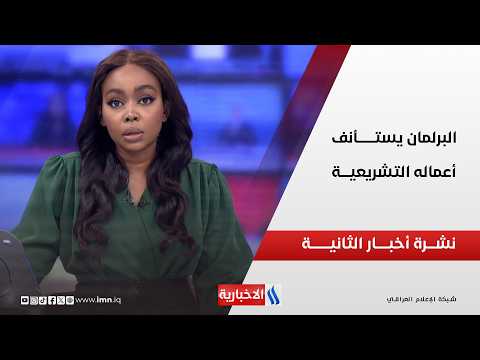
Source material: The Parliament Resumes Its Legislative Work | Second News Bulletin
Summary
The Iraqi Parliament has resumed its legislative work, focusing on critical issues such as the National Water Council law and government leadership positions. This development highlights the urgency of addressing water scarcity amid complex political dynamics.
Ongoing tensions with the U.S. and Iran complicate the legislative agenda, as both nations navigate a fraught diplomatic landscape. The effectiveness of new laws is contingent upon cooperation among diverse political factions, which remains uncertain.
The reopening of the Rabia border crossing between Iraq and Syria marks a significant development in trade relations, expected to boost local economies and enhance the flow of goods. This revitalization effort reflects the Iraqi government's commitment to improving economic ties.
Increased military operations in the region, particularly by Israeli forces, raise concerns about stability and security. The humanitarian impact of these conflicts is severe, with local populations facing heightened risks due to military activities.
Perspectives
short
Iraqi Government
- Advocates for the National Water Council law to address water scarcity
- Seeks to enhance trade relations with Syria through the reopening of border crossings
U.S. and Iran
- Engaged in ongoing negotiations, but face significant gaps in positions
- Military operations in the region raise concerns about stability and security
Neutral / Shared
- Legislative progress is contingent upon cooperation among diverse political factions
Key entities
Timeline highlights
00:00–05:00
The Iraqi Parliament has resumed its legislative work, focusing on the National Water Council law and discussions about government leadership positions. Diplomatic tensions between the U.S.
- The Iraqi Parliament has resumed its legislative work, focusing on the National Water Council law and discussions about government leadership positions
- U.S. President Donald Trump stated that an agreement with Iran is ready, stressing the importance of diplomatic efforts despite ongoing tensions
- Irans Foreign Ministry has denied having a specific program for the upcoming negotiations with the U.S, reflecting the complexities in the diplomatic situation
- Tensions remain high as both Iran and the U.S. struggle to find a lasting solution to their crisis, with a ceasefire approaching its expiration
- Pakistan is set to facilitate a new round of negotiations between the U.S. and Iran in Islamabad, amid increased security measures in the area
05:00–10:00
The Iraqi Parliament has resumed its legislative work, focusing on the National Water Council law and discussions about government leadership positions. Diplomatic tensions between the U.S.
- Negotiations between the U.S. and Iran are marked by significant gaps in their positions, complicating the path to resolution
- The U.S. is bolstering its military presence in the region as a demonstration of strength, while Iran is utilizing its military readiness to apply pressure during talks
- Despite the risk of conflict, there is a strong belief that diplomacy is the most feasible approach for both nations, particularly with the influence of upcoming U.S. elections
- Iran holds critical leverage through its military capabilities and strategic positioning, which poses challenges for U.S. containment efforts
- The extension of the current ceasefire depends on the success of negotiations in Islamabad, underscoring the necessity of diplomatic engagement to alleviate tensions
10:00–15:00
The Iraqi Parliament has resumed its legislative work, focusing on the National Water Council law and government leadership positions. The U.S.
- The U.S. is under significant internal and external pressure regarding its military actions in the region, with critics questioning the legitimacy of its war against Iran
- Iran is reluctant to proceed with negotiations in Islamabad unless the U.S. makes prior concessions, especially concerning sanctions and blockades
- Recent military incidents, such as the interception of an Iranian vessel, highlight escalating tensions and complicate diplomatic efforts
- The Iranian perspective views U.S. demands as excessively harsh, insisting that any dialogue must yield substantial concessions, particularly on sanctions
- The ongoing conflict is marked by a cycle of provocation and retaliation, which hinders the chances for a peaceful resolution and extends the diplomatic impasse
15:00–20:00
The Iraqi Parliament is actively engaged in legislative work, particularly focusing on the National Water Council law and government leadership positions. Diplomatic tensions with the U.S.
- The U.S. is encouraged to reassess its hardline approach towards Iran, as escalating tensions could lead to conflict, especially following recent military incidents
- Iran appears willing to engage in negotiations but emphasizes the importance of its sovereignty and rights, particularly concerning its nuclear program
- The Strait of Hormuz remains a critical area, with increased naval activities from both the U.S. and Iran raising the risk of confrontation that could impact global energy supplies
- China has voiced concerns regarding U.S. military actions against Iranian vessels, underscoring the complex geopolitical dynamics and the necessity for careful diplomatic efforts
- The forthcoming negotiations in Islamabad are viewed as a crucial opportunity for both nations to potentially reach agreements that could ease tensions and address shared concerns
20:00–25:00
The Iraqi Parliament is actively engaged in legislative work, particularly focusing on the National Water Council law and government leadership positions. The U.S.
- The U.S. maritime blockade on Iranian ports is escalating global tensions, threatening economic stability and impacting critical energy supply routes
- Around 30% of global energy supplies transit through the Strait of Hormuz, making it a hotspot for military confrontations, as evidenced by rising oil prices
- The blockade poses a broader threat to international trade, potentially leading to economic recessions in various countries due to increased energy costs
- Recent conflicts in southern Lebanon underscore ongoing regional instability, with Israeli forces continuing operations despite ceasefire agreements, raising concerns about further escalations
- Hezbollahs reactions to Israeli military actions reflect a volatile security situation, emphasizing the need for caution and coordination between Lebanese forces and international peacekeeping troops
25:00–30:00
The Iraqi Parliament is resuming its legislative work, focusing on key issues such as the National Water Council law. This development comes amid ongoing tensions and discussions regarding government leadership positions.
- Tensions in southern Lebanon are escalating as Israeli forces increase their military presence and conduct operations that threaten local stability
- Lebanese military officials express concerns over Israeli violations of the ceasefire agreement, citing aggressive actions in the region
- Discussions among Lebanese leaders highlight the need for a coordinated response to Israeli incursions to ensure national security
- The humanitarian impact of the ongoing conflict is severe, with local populations facing heightened risks and disruptions due to military activities
- The conflicts dynamics are further complicated by the involvement of various military factions, raising the potential for broader regional implications if tensions continue to rise