Politics / Greece
Understanding Greece's Political Transformation
The current government in Greece is facing significant political challenges, including a decline in public support and various accumulated scandals. Recent polls indicate approval ratings around 31-32%, a decrease from previous levels, suggesting a potential loss of parliamentary seats.
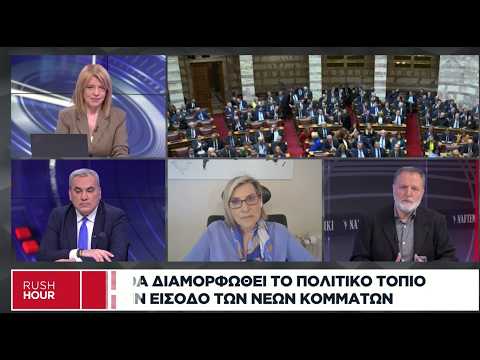
Source material: How the political landscape will be shaped by the entry of new parties
Summary
The current government in Greece is facing significant political challenges, including a decline in public support and various accumulated scandals. Recent polls indicate approval ratings around 31-32%, a decrease from previous levels, suggesting a potential loss of parliamentary seats.
Public sentiment is increasingly leaning towards the necessity of new elections, with approximately 58% of respondents expressing a desire for immediate parliamentary elections. Analysts highlight the historical trend of political instability as the government's second term approaches its end.
The political landscape is evolving, with a notable increase in public demand for early elections, reflecting a significant shift in voter sentiment. The rise of new political parties is disrupting traditional party dynamics, indicating a potential realignment of voter preferences.
Current polling shows the ruling government struggling, with approval ratings declining significantly. The emergence of new parties suggests a call for a coalition government to address ongoing economic challenges and political dissatisfaction.
Perspectives
Analysis of the evolving political landscape in Greece.
Government Supporters
- Argue that the government is implementing necessary reforms despite declining approval ratings
Opposition and New Parties
- Highlight the need for immediate elections to address public discontent
Neutral / Shared
- Note the historical trend of political instability in Greece
- Identify the potential for coalition governments amid shifting voter preferences
Key entities
Timeline highlights
00:00–05:00
The current government is experiencing a decline in public support, with approval ratings dropping to approximately 31-32%. There is a significant public sentiment for new elections, as around 58% of respondents express a desire for immediate parliamentary elections.
- The current government is facing significant political challenges, including a decline in public support and various accumulated scandals
- Recent polls show the governments approval rating at approximately 31-32%, a decrease from the 37-38% it received in the last elections, indicating a potential loss of parliamentary seats
- Analysts highlight the historical trend of increased political instability and public dissatisfaction as the governments second term approaches its end
- There is a notable public sentiment for new elections, with around 58% of respondents expressing a desire for immediate parliamentary elections
- The government is attempting to redirect focus towards future plans, such as the 2020-2030 strategy, in response to ongoing crises and public discontent
05:00–10:00
The political landscape in Greece is shifting, with increasing public demand for early elections and declining approval ratings for the ruling government. The rise of new political parties indicates a potential realignment of voter preferences and a call for a coalition government to address ongoing economic challenges.
- The political landscape in Greece is evolving, with a notable increase in public demand for early elections, reflecting a significant shift in voter sentiment over recent months
- Current polling indicates that the ruling government is struggling, with approval ratings around 31-32%, a marked decline from previous election support levels
- The rise of new political parties is disrupting traditional party dynamics, suggesting a potential realignment of voter preferences as established structures weaken
- Voter sentiment is increasingly leaning towards the necessity of a coalition government, driven by desires for stability amid ongoing economic challenges and political dissatisfaction
- Analysts warn that the upcoming elections could lead to substantial changes in the balance of power within the Greek parliament, highlighting the implications of these political shifts
10:00–15:00
The political landscape in Greece is shifting towards potential coalition governments due to fragmentation and declining support for existing parties. The PASOK party is polling at around 25%, while SYRIZA is experiencing a significant decline with polling figures around 4%.
- The political landscape in Greece is experiencing fragmentation, leading to a potential shift towards coalition governments that may complicate governance
- The PASOK party is currently in a precarious position, polling at around 25%, which poses challenges within the existing political system
- Recent party activities and a conference have contributed to a notable rise in support for PASOK, indicating a possible resurgence in its political influence
- In contrast, the SYRIZA party is facing significant decline, with polling figures around 4%, reflecting a drop in support since the last elections
- The dynamics of coalition governance are under scrutiny, as past experiences suggest that such arrangements often prioritize ministerial appointments over substantive policy-making
- The emergence of new political parties could further alter the balance of power, necessitating close monitoring of their impact on the electoral landscape