Politics / Germany
Germany politics page with daily media monitoring, structured summaries of domestic political developments and a country-level press overview built from national political coverage.
What's the common thread in Israel's wars in Iran and Lebanon? | DW News
Summary
Israel has intensified military operations in Lebanon, targeting Hezbollah strongholds and causing significant destruction and civilian casualties. Reports indicate that the Israeli army has struck thousands of targets in response to rocket fire from Hezbollah, reflecting a broader strategy to weaken the militia's military capabilities.
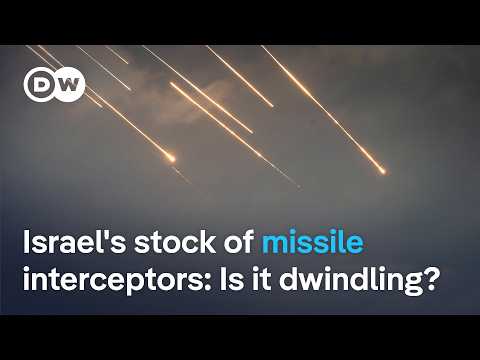
Concerns have arisen regarding the effectiveness of Israel's air defenses, particularly the Iron Dome, as the number of missile strikes hitting Israeli targets has increased. Despite a decrease in overall strikes, the pressure on defense systems suggests potential shortages of interceptor missiles, raising alarms among the Israeli public.
The ongoing conflict illustrates the complex nature of geopolitics in the Middle East, where various arenas of conflict are intertwined. Relationships between groups such as Hamas, Hezbollah, and Iran complicate the situation, as historical ties and support networks influence current hostilities.
While some view the situation as a continuous war, oversimplifying the conflict overlooks the nuanced dynamics at play. Localized grievances and the unique characteristics of each conflict arena contribute to the challenges faced by Israeli strategists in addressing multiple fronts simultaneously.
Perspectives
short
Israel
- Intensifies military operations against Hezbollah strongholds
- Targets thousands of sites in response to rocket fire
- Raises concerns about the effectiveness of air defenses
- Highlights the increasing number of missile strikes hitting Israel
- Describes the complex geopolitical landscape influencing the conflict
Hezbollah and Iran
- Launches rocket attacks against Israel
- Maintains historical ties with Iran for support
- Exploits localized grievances to shape military decisions
Neutral / Shared
- Notes the interconnectedness of regional conflicts
- Acknowledges the complexity of localized grievances
Metrics
targets_hit
three and a half thousand units
number of targets struck by the Israeli army in Lebanon
This indicates the scale of military operations and the intensity of the conflict.
the Israeli army says it has hit three and a half thousand targets in Lebanon
population
100,000 people
normal population of the city of Taya
A largely deserted city indicates significant civilian displacement due to military actions.
the city, which is normally home to 100,000 people, is largely deserted now
missile_strikes
more reports of missiles hitting Israel
increase in missile strikes on Israeli territory
This suggests vulnerabilities in Israel's defense systems despite advanced technology.
we've definitely been seeing more reports of missiles hitting Israel
Key entities
Timeline highlights
00:00–05:00
Israel's military operations in Lebanon have intensified, targeting Hezbollah strongholds and leading to significant destruction and civilian casualties. The Israeli army reports striking three and a half thousand targets in Lebanon as part of a broader strategy to weaken Hezbollah's military capabilities.
- Israels military operations in Lebanon have escalated, targeting Hezbollah strongholds and resulting in civilian casualties and significant destruction. This intensification raises humanitarian concerns in the region
- The Israeli military reports striking thousands of targets in Lebanon as a response to Hezbollahs rocket fire, indicating a long-term strategy to weaken Hezbollahs military capabilities
- Despite having advanced air defense systems, Israel has experienced an uptick in missile strikes on its territory, suggesting potential vulnerabilities in its defense mechanisms
- The current conflict is part of a larger series of military engagements involving Israel, Hezbollah, and Iran, complicating the geopolitical situation and indicating that these conflicts are interconnected
- Irans historical support has been vital to Hezbollahs formation and operations, making it crucial to understand this relationship to grasp the complexities of the ongoing conflicts
- The concept of a forever war oversimplifies the complex geopolitical realities, as various groups express their grievances against Israel in different ways, complicating efforts to resolve the violence
05:00–10:00
The conflict in the region is influenced by localized grievances, complicating Israel's military strategy as it faces multiple fronts. The interconnected nature of conflicts involving groups like Hamas and Hezbollah presents significant challenges for Israeli strategists.
- The conflict in the region is driven by localized grievances, complicating Israels military strategy as it confronts multiple fronts. This complexity necessitates a nuanced approach to decision-making
- The notion of a continuous war may obscure the intricate geopolitical dynamics at play, which are essential for Israeli strategists to understand as they navigate various conflicts
- An increase in missile strikes on Israeli targets raises alarms about the effectiveness of its air defense systems, indicating potential shortages in interceptor missiles that could threaten national security
- The interconnected nature of conflicts involving groups like Hamas and Hezbollah underscores the broader implications of regional alliances, complicating the violence landscape against Israel
- Irans long-standing support for Hezbollah has significantly influenced current conflict dynamics, presenting challenges for Israel in addressing threats from multiple actors
- The evolving nature of warfare in the region requires Israel to adapt its military strategies, as failure to do so may result in further escalations and prolonged engagements