Politics / Estonia
Drones in Regional Security
The discussion centers on the implications of drone usage in Estonia, Ukraine, and Iran, highlighting the evolving security landscape. Experts express concerns about political pressures affecting public discourse on security issues, emphasizing the need for strategic responses to these challenges.
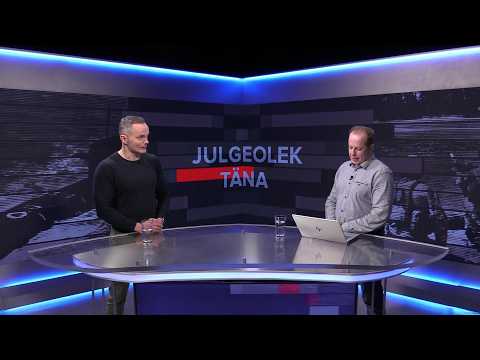
Source material: JULGEOLEK TÄNA ⟩ Droonid Ukrainas, Iraanis ja Eestis
Summary
The discussion centers on the implications of drone usage in Estonia, Ukraine, and Iran, highlighting the evolving security landscape. Experts express concerns about political pressures affecting public discourse on security issues, emphasizing the need for strategic responses to these challenges.
Military aid to Ukraine, including a planned sale of military equipment, aims to enhance defense capabilities. However, the reliance on foreign military support may provoke stronger responses from adversaries, complicating the security landscape further.
The political situation in Hungary raises concerns about regional stability, particularly due to allegations of corruption involving the administration. Additionally, military actions by Israel in Lebanon and the deteriorating U.S.-NATO relationship contribute to broader geopolitical tensions.
Drones are increasingly integral to military strategies in Ukraine, Iran, and Estonia, reflecting shifting security dynamics. Estonia is considering new laws to allow private security firms to deploy drones for critical infrastructure protection.
Perspectives
Analysis of drone technology's role in regional security dynamics.
Proponents of Enhanced Drone Capabilities
- Advocate for increased drone usage to bolster national security
- Highlight the strategic importance of drones in modern military operations
- Emphasize the need for legislative support for private drone deployment
- Argue that military aid can enhance defense capabilities in conflict zones
- Stress the importance of monitoring low-altitude movements for security
Critics of Drone Reliance
- Question the effectiveness of drones in mitigating security threats
- Highlight the potential for misinterpretation of drone actions in geopolitical contexts
- Critique the assumption that military aid will stabilize regions
Neutral / Shared
- Acknowledge the evolving security landscape in Estonia, Ukraine, and Iran
- Recognize the interconnectedness of regional security issues
- Note the challenges faced by drone technology in low-altitude surveillance
Metrics
investment
a billion dollars USD
investment in drone technology
Significant financial commitment indicates the importance placed on advancing military capabilities.
And then there's a problem. When we talk about the conflict, it's a big deal.
Key entities
Timeline highlights
00:00–05:00
The discussion focuses on the implications of drone usage in Estonia, Ukraine, and Iran, highlighting the evolving security landscape. Concerns about political pressure affecting public discourse on security issues are raised, emphasizing the need for strategic responses.
- The discussion centers on the implications of drone usage in Estonia, Ukraine, and Iran. This highlights the evolving security landscape and the need for strategic responses
- There are concerns about political pressure affecting the broadcast of the program. Such pressures could undermine public discourse on critical security issues
- The segment emphasizes the importance of recognizing the contributions of Ukrainian volunteers in the ongoing conflict. Acknowledging their efforts is crucial for understanding the broader implications of the war
- Recent military actions, including bombings in Narva, reflect escalating tensions in the region. These developments could have significant repercussions for regional stability and security
- The conversation touches on the financial implications of military engagements, including potential funding from the U.S. This adds to doubts about the sustainability of such support and its impact on international relations
- The experts warn that the current geopolitical climate is fraught with risks, particularly regarding Russian aggression. This necessitates a reevaluation of defense strategies among neighboring countries
05:00–10:00
The U.S. plans to sell military equipment to Ukraine valued at 25 million dollars, which could enhance Ukraine's defense capabilities.
- The U.S. plans to sell military equipment to Ukraine valued at 25 million dollars, which could enhance Ukraines defense capabilities
- Discussions emphasize the critical role of drone technology in modern warfare, impacting both defense strategies and international relations
- Political dynamics in Narva are influenced by Russian Federation policies, potentially affecting local governance and regional geopolitics
- Reports indicate that Ukraines military capabilities are bolstered by increased foreign military aid, which may alter the regional power balance
- Hungarys foreign policy is facing scrutiny due to its relations with Ukraine and Russia, raising concerns about potential diplomatic tensions in Europe
- The complexity of military operations in the region is increasing, necessitating a deeper understanding of the involved nations to anticipate future conflicts
10:00–15:00
The political situation in Hungary is raising concerns about regional stability and security, particularly due to allegations of corruption involving Viktor Orbán's administration. Additionally, the intensifying military actions by Israel in Lebanon and the deteriorating U.S.-NATO relationship are contributing to broader geopolitical tensions.
- The threat posed by Hungarys political situation is becoming increasingly evident. This situation raises concerns about regional stability and security
- Allegations of corruption involving Viktor Orbáns administration are surfacing, particularly regarding misuse of public resources. Such claims could undermine public trust and lead to political repercussions
- Iranian hackers are reportedly targeting individuals associated with the FPA, raising alarms about cybersecurity threats. This highlights the ongoing risks posed by state-sponsored cyber activities
- Israels military actions in Lebanon are intensifying, with implications for regional security. The potential for escalation could affect broader geopolitical dynamics in the Middle East
- The U.S. relationship with NATO is perceived to be deteriorating, particularly under the Trump administration
- Concerns are growing over the humanitarian situation for refugees, particularly in light of recent conflicts. Addressing these issues is crucial for maintaining regional stability and international obligations
15:00–20:00
Drones are increasingly integral to military strategies in Ukraine, Iran, and Estonia, reflecting shifting security dynamics. Estonia is considering new laws to allow private security firms to deploy drones for critical infrastructure protection.
- Drones are becoming increasingly important in military strategies in Ukraine, Iran, and Estonia, reflecting changing security dynamics in these areas
- Estonia is exploring new laws to permit private security firms to deploy drones for protecting critical infrastructure, highlighting a response to emerging security threats
- Accurate reporting on drone incidents is crucial to prevent public panic and maintain trust in security measures
- The potential use of drones in aggressive actions, particularly in Ukraine, raises concerns about regional stability and international relations
- Monitoring drone activity near borders, especially with Belarus, presents challenges that could impact national security if not effectively managed
- Experts emphasize the need for proactive regulation of drone technology to address evolving threats and ensure national safety
20:00–25:00
Drone surveillance faces challenges in monitoring low-altitude movements, which raises concerns about current defense strategies. The implications of drone technology in conflict zones are critical for understanding regional security threats.
- Drone surveillance struggles to effectively monitor low-altitude movements, raising doubts about current defense strategies
- The implications of drone technology in conflict zones, especially in Ukraine, are critical for understanding regional security threats
- Improved infrastructure is necessary to support drone operations near borders, which is essential for preventing incursions and enhancing national security
- Misinformation about drone incidents can distort public perception, making accurate reporting vital for maintaining trust in government security measures
- International cooperation is needed to tackle drone-related challenges, as collaborative efforts can improve monitoring and response strategies
- The potential use of drones in aggressive military tactics, particularly by Russia, underscores the need for nations to adapt their defense strategies
25:00–30:00
Estonia's defense strategy emphasizes the need for enhanced drone capabilities to address regional threats and strengthen national security. Political commitment and investment in defense infrastructure are crucial for effective responses to emerging challenges.
- Estonias defense strategy requires enhanced drone capabilities to address potential threats from neighboring regions. This improvement is vital for strengthening national security
- Current drone surveillance and operational strategies are seen as ineffective, indicating a need for significant enhancements. Upgrading these capabilities could bolster Estonias security posture
- Political commitment and investment in defense infrastructure are crucial for Estonia to effectively respond to emerging threats. Without these, the country may face challenges in its defense readiness
- Collaboration among defense sectors is essential to tackle the challenges posed by drone technology. Such cooperation can lead to more effective operational outcomes
- Underestimating the evolving nature of warfare, especially with drone technology, poses risks for Estonia. Adapting to these changes is necessary to avoid vulnerabilities in future conflicts
- Prioritizing defense initiatives is critical for Estonia to ensure preparedness against potential aggressors. This proactive approach is essential for maintaining national security