Politics / Denmark
Traffic Enforcement and Safety
Traffic control areas are essential for ensuring the safety of pedestrians, particularly children. A marked area with a speed limit of 30 km/h is monitored by police to deter reckless driving and enforce compliance with traffic laws.
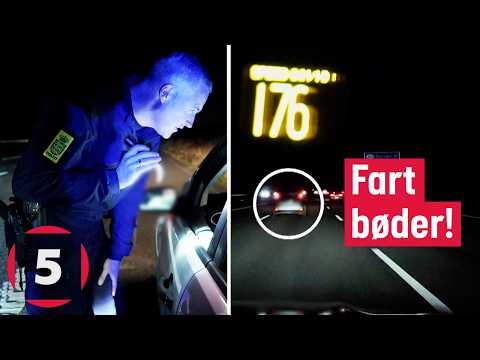
Source material: Kasper griber ind mod fart og mobilbrug i trafikken | Politijagt | Kanal 5 Danmark
Summary
Traffic control areas are essential for ensuring the safety of pedestrians, particularly children. A marked area with a speed limit of 30 km/h is monitored by police to deter reckless driving and enforce compliance with traffic laws.
Police officers actively stop drivers for violations such as using mobile phones while driving. In one instance, a driver was fined for both mobile phone usage and exceeding the speed limit, highlighting the enforcement of traffic regulations.
Conversations between police and drivers reveal a lack of understanding regarding traffic laws. Drivers often express confusion about regulations, indicating a need for better communication and education on traffic safety.
The urgency in drivers' discussions about their vehicles and insurance suggests ongoing issues that may not be adequately addressed. This reliance on informal communication can lead to misunderstandings about critical safety measures.
Perspectives
short
Traffic Enforcement Advocates
- Emphasize the importance of marked traffic control areas for pedestrian safety
- Highlight the necessity of enforcing speed limits to deter reckless driving
- Point out the need for police presence to ensure compliance with traffic laws
- Argue that fines for mobile phone usage while driving are essential for road safety
- Stress the importance of educating drivers about traffic regulations
Drivers
- Express confusion about traffic laws and regulations
- Question the clarity of communication regarding mobile phone usage while driving
- Indicate a lack of understanding about the consequences of traffic violations
- Show urgency in resolving ongoing car issues and insurance matters
- Highlight the challenges of adhering to traffic laws without proper education
Neutral / Shared
- Discuss the role of police in monitoring traffic and ensuring safety
- Mention the commonality of traffic violations among drivers
- Acknowledge the need for better communication between law enforcement and the public
Key entities
Timeline highlights
00:00–05:00
A traffic control area marked by a red string is crucial for the safety of children crossing the road, with a speed limit of 30 km/h. The police are monitoring this area to deter reckless driving and ensure compliance with traffic laws.
- A lone red string on the road indicates a traffic control area, where parents and families often gather. This area is crucial for ensuring the safety of children crossing the road
- The speed limit in this area is set at 30 km per hour. Adhering to this limit is essential for maintaining safety in the vicinity
- Drivers are reminded to be cautious, especially when they exceed the speed limit significantly. Speeding can lead to dangerous situations for both drivers and pedestrians
- The police are actively monitoring traffic, addressing issues like speeding and mobile phone usage while driving. Their presence aims to deter reckless behavior on the roads
- One driver was caught exceeding the speed limit, prompting a discussion about the importance of adhering to traffic laws. This incident highlights the need for compliance to ensure road safety
- The police emphasize the need for drivers to be aware of their surroundings. Reckless driving can have serious consequences, and awareness is key to preventing accidents
05:00–10:00
A police officer stopped a driver for using a mobile phone while driving, resulting in fines totaling 2,000 kr. The driver was also found to be exceeding the speed limit at 104 km/h.
- A police officer stops a driver for using a mobile phone while driving. The officer explains that it is illegal to use a phone in hand while operating a vehicle
- The driver admits to having a cigarette in one hand and the phone in the other. The officer requests to see the drivers license and informs him to wait
- The driver faces a fine of 1,500 kr. He is also informed that he will incur an additional fine of 500 kr for his actions
- The officer emphasizes that the driver is at fault for using the phone while driving. The driver acknowledges this but seems frustrated with the situation
- The conversation reveals that the driver has been driving at 104 km/h, which exceeds the allowed speed limit. The officer reiterates that he is not allowed to drive under these conditions
- The driver expresses confusion about the rules regarding driving and using a mobile phone. The officer clarifies that it is essential to keep the car clean and safe while driving
10:00–15:00
The conversation revolves around a driver expressing excitement about going to the gas station and discussing car insurance. There is a sense of urgency to resolve ongoing issues with the car that has been on the road for three months.
- A driver expresses excitement about going to the gas station. They indicate a desire to relax in the car before returning home
- about insurance for the car. One person asks for assistance in obtaining a good insurance policy
- The conversation reveals that the car has been on the road for three months. This suggests ongoing issues that need to be addressed
- One participant mentions needing to retrieve the car. This indicates a plan to resolve any outstanding problems with it
- The dialogue includes a reference to a previous encounter with the car. This highlights a sense of urgency to get it back on the road
- Is that right? Yes, its true. It was about three months ago