Politics / Czechrepublic
Hungarian Elections and Viktor Orbán
The Hungarian elections are anticipated to significantly influence Viktor Orbán's political future and regional dynamics. Concerns about voter fatigue and the unpredictability of election outcomes are highlighted, emphasizing the complexities of political relationships.
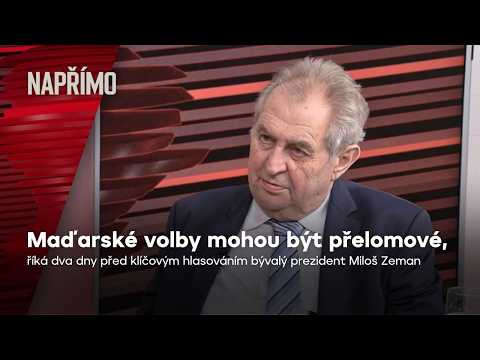
Source material: Zeman: Volby v Maďarsku jsou bratrovražedný boj, mohou být přelomové | Napřímo
Summary
The Hungarian elections are anticipated to significantly influence Viktor Orbán's political future and regional dynamics. Concerns about voter fatigue and the unpredictability of election outcomes are highlighted, emphasizing the complexities of political relationships.
The political landscape in Hungary is shifting, with potential challenges to Viktor Orbán's dominance. The rise of a strong challenger and defections from allies may lead to increased fragmentation and unpredictability in the upcoming elections.
The upcoming elections in Hungary are centered on economic issues and national identity, which are crucial for voter decisions. Viktor Orbán's focus on national interests during an energy crisis may resonate with voters prioritizing national pride over economic stability.
Viktor Orbán faces significant challenges in Hungary's politically charged environment, with rising voter fatigue and opposition to his leadership. Recent electoral system changes may benefit Fidesz, potentially altering parliamentary seat distribution and impacting the election outcome.
Perspectives
Analysis of Hungarian elections and political dynamics.
Support for Orbán
- Highlights Orbáns focus on national interests during the energy crisis
Opposition to Orbán
- Warns of rising voter fatigue and potential challenges to Orbáns dominance
- Questions the effectiveness of Orbáns leadership amid economic difficulties
- Accuses the government of failing to address voter concerns adequately
Neutral / Shared
- Notes the complexity of political relationships in Hungary
- Observes the influence of personal rivalries on voter sentiment
- Mentions the unpredictability of election outcomes
Key entities
Timeline highlights
00:00–05:00
The Hungarian elections are anticipated to significantly influence Viktor Orbán's political future and regional dynamics. Concerns about voter fatigue and the unpredictability of election outcomes are highlighted, emphasizing the complexities of political relationships.
- The upcoming Hungarian elections are viewed as potentially transformative, particularly regarding Viktor Orbáns extended rule, which raises concerns about his political future and its impact on regional politics
- Miloš Zeman notes that while elections are often labeled as critical, the actual outcomes can be unpredictable, suggesting that these elections may play a key role in Orbáns political trajectory
- Zeman recognizes his long-standing friendship with Orbán but stresses the importance of evaluating the factors that could put pressure on his political success, highlighting the complexities of political relationships
- He warns that extended leadership can lead to voter fatigue, citing historical examples like Winston Churchill, indicating that Orbán might encounter similar challenges as public support wanes
- Zeman respects Orbáns communication abilities but cautions that even adept politicians can become vulnerable over time, especially if they remain in power for extended periods
- The conversation emphasizes the link between the Hungarian elections and wider European political trends, suggesting that the results could affect conservative movements in Hungary and neighboring countries, including the Czech Republic
05:00–10:00
The Hungarian elections are expected to significantly impact Viktor Orbán's political future amid rising voter fatigue. A strong challenger is anticipated, which could reshape Hungary's political landscape and foreign relations.
- The Hungarian elections are viewed as a pivotal moment that could reshape the political landscape, particularly in light of Viktor Orbáns long tenure and increasing voter fatigue
- A strong challenger to Orbán is anticipated, who must possess effective communication skills and charisma to resonate with voters, especially women
- Orbáns administration faces significant hurdles, including tensions with the European Commission and issues related to Ukraine, which may undermine his support and open doors for opposition candidates
- The political climate in Hungary is affected by regional dynamics, and any power shifts could impact Hungarys foreign relations, particularly with the Czech Republic
- These elections may signal a broader trend in Central European conservative politics, potentially leading to a consolidation of power among right-leaning parties in the region
- The election results could disrupt current alliances and influence the stability of the government, altering Hungarys stance on domestic and international matters
10:00–15:00
The political landscape in Hungary is shifting, with potential challenges to Viktor Orbán's dominance. The rise of a strong challenger and defections from allies may lead to increased fragmentation and unpredictability in the upcoming elections.
- The Visegrad Groups effectiveness is challenged by shifting political dynamics in Hungary, which could hinder its influence in EU matters
- Viktor Orbáns recent outreach to liberal figures indicates a possible shift in his political strategy, suggesting changing alliances in the region
- The rise of a strong challenger from within Orbáns circle raises concerns about his leadership stability, potentially destabilizing his long-held dominance
- Defections from former allies expose loyalty risks within political parties, which may lead to greater fragmentation in Hungarian politics
- A potential liberal resurgence could disrupt the current political balance, challenging Orbáns policies and significantly altering Hungarys direction
- The ongoing electoral campaign highlights deep divisions among political factions, which could result in a more competitive and unpredictable election outcome
15:00–20:00
The upcoming elections in Hungary are centered on economic issues and national identity, which are crucial for voter decisions. Viktor Orbán's focus on national interests during an energy crisis may resonate with voters prioritizing national pride over economic stability.
- The upcoming elections in Hungary represent a significant internal conflict focused on economic issues and national identity, which are pivotal for voter decisions
- Viktor Orbán is advocating for Hungarys national interests during an energy crisis, appealing to voters who may prioritize national pride over economic stability
- The opposition, led by Peter Márki-Zay, is a fragmented coalition, and their ability to unify will be crucial in challenging Orbáns entrenched power
- Márki-Zays political experience and connection with dissatisfied voters are vital, but his unclear stance on certain issues could limit his electoral appeal
- The election results will likely depend on whether voters favor economic stability or nationalistic feelings, influencing Hungarys political future
- Orbáns campaign focuses on a strong national narrative, positioning him against external threats, which may strengthen his support among traditionalist voters
20:00–25:00
Viktor Orbán faces significant challenges in Hungary's politically charged environment, with rising voter fatigue and opposition to his leadership. Recent electoral system changes may benefit Fidesz, potentially altering parliamentary seat distribution and impacting the election outcome.
- Miloš Zeman highlights that Viktor Orbán faces significant challenges amid a politically charged environment in Hungary, where envy and opposition to his power are prevalent
- Recent electoral system changes in Hungary may benefit Fidesz, potentially altering the distribution of parliamentary seats and affecting the election outcome
- Zeman notes that voter fatigue could drive a desire for change, prompting some to seek alternatives to Orbáns leadership
- Despite possible electoral setbacks, Orbáns history of resilience suggests he could reclaim power in future elections, influencing Hungarys political landscape
- The relationship between Hungary and the European Union is strained, with Orbáns energy policies and financial aid decisions reflecting broader tensions within the EU
- The pre-election climate in Hungary is marked by personal attacks rather than meaningful policy debates, raising concerns about the quality of political discourse
25:00–30:00
The election campaign in Hungary is influenced by personal rivalries among politicians, which may affect voter sentiment. Economic stability and national pride are key issues that parties must address to appeal to voters in the upcoming elections.
- The election campaign in Hungary is shaped by the personal rivalries of leading politicians, which could significantly influence voter sentiment
- The political discourse contrasts nationalism and conservative themes with liberal issues like gender politics, reflecting deeper societal values at stake
- Concerns exist about potential public criticism of Hungarys government during international summits, which could harm its diplomatic relations
- Hungarys precarious economic situation may lead voters to prioritize economic stability over nationalistic sentiments in the upcoming elections
- The election outcome may depend on parties abilities to address both national pride and economic challenges, as voters seek candidates who can balance these issues
- A shift in power dynamics is possible, with new leadership potentially leading to significant changes in Hungarys domestic and foreign policies