Politics / Czechrepublic
Migrant Integration and Pension Reform in the Czech Republic
Katerina Demetrashvili discusses the necessity of integrating migrants into the Czech pension system, emphasizing their potential contributions to the economy. She critiques the government's handling of subsidies and transparency laws, expressing concerns about the implications of chaotic foreign policy on international relations.
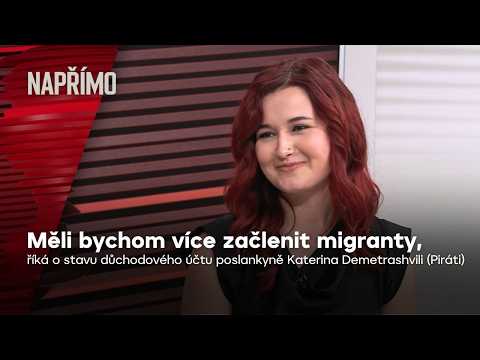
Source material: Demetrashvili: We should integrate migrants more, they can contribute to pensions | Napřímo
Summary
Katerina Demetrashvili discusses the necessity of integrating migrants into the Czech pension system, emphasizing their potential contributions to the economy. She critiques the government's handling of subsidies and transparency laws, expressing concerns about the implications of chaotic foreign policy on international relations.
Demetrashvili highlights the negative effects of Donald Trump's actions on international law and democracy, arguing that his behavior fuels propaganda from adversarial nations. She advocates for Europe to enhance its self-sufficiency and independence from Trump's policies, stressing the importance of stronger unity among European nations.
The discussion shifts to the complexities of negotiating with Iran, where Demetrashvili notes the fragmented government structure complicates agreements. She emphasizes the psychological impact of geopolitical tensions, particularly regarding oil prices and market perceptions.
Demetrashvili raises concerns about the Czech Republic's reliance on Russian oil, advocating for a transition to sustainable energy solutions. She calls for a thorough review of tax policies related to essential goods to alleviate financial strain on citizens amid escalating costs.
Perspectives
short
Pro-Migrant Integration
- Advocates for integrating migrants into the pension system to enhance economic contributions
- Critiques current immigration policies as rigid and calls for reforms to address labor shortages
Skeptical of Migrant Integration
- Raises concerns about public resistance to migrant integration and its potential economic impacts
- Questions the effectiveness of proposed reforms without addressing societal attitudes
Neutral / Shared
- Acknowledges the complexities of negotiating with fragmented governments like Iran
- Highlights the psychological impact of geopolitical tensions on market perceptions
Key entities
Timeline highlights
00:00–05:00
Katerina Demetrashvili discusses the need for better integration of migrants into the pension system and criticizes government decisions regarding subsidies and transparency laws. She expresses concerns about the implications of chaotic foreign policy on international relations.
- Katerina Demetrashvili criticizes the governments decision to allow a major agricultural company to access subsidies, viewing it as a failure of leadership and a conflict of interest
- She proposes reducing VAT on essential food and hygiene products from 12% to 6% to improve the daily lives of citizens
- Demetrashvili raises concerns about the governments plan to abolish a law that ensures transparency in the nomination of public officials, warning it could lead to increased corruption
- The conversation shifts to international issues, particularly the ongoing conflict involving the U.S. and Israel, with Demetrashvili expressing frustration over the unclear communication and objectives from former President Trump
- She describes the chaotic nature of Trumps foreign policy, suggesting it undermines trust among allies and complicates international relations
05:00–10:00
Katerina Demetrashvili emphasizes the importance of integrating migrants into the pension system and the need for Europe to enhance its self-sufficiency. She critiques the impact of Donald Trump's actions on international relations and advocates for stronger unity among European nations.
- Katerina Demetrashvili highlights the negative effects of Donald Trumps actions on international law and democracy, arguing that his behavior fuels Putins propaganda
- She advocates for Europe to enhance its self-sufficiency and independence from Trumps policies, stressing the importance of stronger unity and defense capabilities among European nations
- Demetrashvili emphasizes the need for coordinated responses among European allies during crises to ensure effective support and solidarity
- Concerns are raised regarding Trumps unpredictability and unclear objectives, which hinder allies ability to respond effectively to international conflicts
- The discussion includes the necessity for Europe to take proactive measures in addressing migration and international relations, rather than simply reacting to crises
10:00–15:00
Katerina Demetrashvili emphasizes the necessity of integrating migrants into the pension system to enhance its sustainability. She critiques the Czech Republic's reliance on Russian oil and advocates for a transition to sustainable energy solutions.
- Negotiating with Iran is complicated due to its fragmented government structure, making it difficult to reach agreements without a unified negotiating team
- Irans strategic actions, such as blocking the Hormuz Strait, effectively manipulate market perceptions and apply pressure on the U.S. and its allies, highlighting its geopolitical leverage
- Rising oil prices have a psychological impact on markets, leading to increased consumer costs, particularly for food and fuel, which may worsen inflation
- The speaker criticizes the Czech Republics dependence on Russian oil, noting that local refineries are ill-equipped to process it, and advocates for a shift towards sustainable energy solutions
- There is a call for a thorough review of tax policies related to fuel and essential goods to help alleviate the financial strain on citizens amid escalating costs
15:00–20:00
Katerina Demetrashvili advocates for the integration of migrants into the pension system, emphasizing their potential contributions. She critiques the government's handling of defense spending and military readiness amid geopolitical tensions.
- The government faces criticism for failing to uphold democratic institutions and manage security effectively amid ongoing European conflicts
- Concerns are raised about defense spending, which is expected to dip below the two percent GDP target, jeopardizing military readiness during heightened geopolitical tensions
- A significant lack of military supplies, including ammunition, poses serious questions about national security preparedness
- The current administration is accused of focusing on maintaining power rather than implementing necessary reforms, resulting in stagnation in governance
- There is an urgent need to enhance defense capabilities in light of recent conflicts and the necessity for a strong response to external threats
20:00–25:00
Katerina Demetrashvili advocates for the integration of migrants into the pension system, highlighting their potential contributions to the economy. She critiques current immigration policies and emphasizes the need for reforms to address labor shortages and declining birth rates in the Czech Republic.
- Katerina Demetrashvili advocates for the integration of migrants into the workforce, highlighting their potential to significantly bolster the economy and support the pension system
- She addresses the misconception that migrants are taking jobs from Czech citizens, noting that many are overqualified for their roles and contribute more in taxes than they receive in benefits
- Demetrashvili criticizes the current rigid immigration policies, arguing that reforms are needed to facilitate migrant assimilation and address labor shortages
- She emphasizes that the declining birth rate in the Czech Republic poses a long-term economic threat, underscoring the need for a more welcoming immigration approach
- In the broader European context, she stresses the importance of collective action on migration and cautions against the rise of anti-immigrant sentiment as a political tactic
25:00–30:00
Katerina Demetrashvili advocates for the integration of migrants into the Czech pension system, emphasizing their potential economic contributions. She critiques the current pension system and calls for comprehensive reforms to ensure its sustainability.
- Katerina Demetrashvili stresses the importance of integrating migrants into the Czech workforce to mitigate labor shortages, especially given the countrys declining birth rates
- She points out that many migrants, particularly from Ukraine, are often overqualified for their positions and contribute more to the economy than commonly perceived
- Demetrashvili critiques the existing pension system, advocating for comprehensive reforms that would enhance investment strategies to ensure future pension security
- She highlights the unique challenges women face in politics, noting that they often receive undue scrutiny based on appearance, which can impede their involvement in public life
- Demetrashvili addresses the toxic online environment for politicians, worsened by disinformation campaigns, which complicates public discourse and may discourage potential candidates from entering politics