Politics / Croatia
Political Shift in Hungary
Recent elections in Hungary have signaled a significant political shift, reflecting a desire among voters for change after Viktor Orban's long tenure. This shift may lead to a reassessment of Hungary's political identity and its relationship with the European Union.
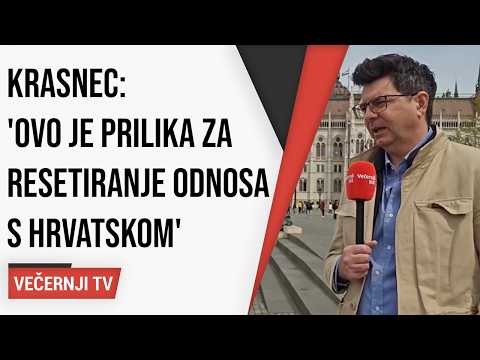
Source material: Večernji u Budimpešti, Krasnec: 'Ovo je prilika za resetiranje odnosa s Hrvatskom'
Summary
Recent elections in Hungary have signaled a significant political shift, reflecting a desire among voters for change after Viktor Orban's long tenure. This shift may lead to a reassessment of Hungary's political identity and its relationship with the European Union.
The new administration under Prime Minister Peter Major is expected to focus on economic stability and addressing governance failures to rebuild public trust. However, the complexities of Hungary's political landscape may challenge the effectiveness of these initiatives.
Discussions between Hungarian and Croatian leaders indicate a mutual interest in improving relations, though historical grievances remain a challenge. The political campaign in Serbia has also effectively engaged voters, potentially reshaping future dynamics in the region.
The rise of the Fidesz party as a significant challenger to Orban's governance reflects a voter desire for political change. This shift may influence Hungary's foreign policy, particularly regarding its relationship with Russia and the European Union.
Perspectives
short
Pro-Change
- Highlights the desire for political change among voters
- Proposes a reassessment of Hungarys relationship with the EU
- Argues for the importance of economic stability under new leadership
- Claims that discussions with Croatia indicate a willingness to improve relations
- Emphasizes the potential for reform in governance
Pro-Status Quo
- Questions the effectiveness of new leadership in addressing public concerns
- Denies that a change in leadership will automatically lead to improved governance
- Rejects the notion that historical grievances can be easily overcome
- Accuses the new administration of potentially perpetuating the status quo
Neutral / Shared
- Notes the complexities of Hungarys political landscape
- Observes the impact of external influences on domestic politics
- Mentions the significance of public sentiment in shaping governance
Metrics
population_percentage
almost 4.3 %
percentage of the population engaged in political discussions
Indicates a significant level of public engagement in governance.
The vast majority of the population, which is almost 4.3, are people who are trying to help.
other
two-thirds of the majority
majority needed for certain decisions
This threshold indicates the challenges the current government faces in implementing reforms.
everything that is not two-thirds of the majority of the situation would be a threat to some extent
Key entities
Timeline highlights
00:00–05:00
The recent elections in Hungary reflect a significant political shift as voters express a desire for change after Viktor Orban's long tenure. This shift may lead to a reassessment of Hungary's political identity and its relationship with the European Union.
- The recent elections in Hungary indicate a significant political shift, as voters seek change after Viktor Orbans long tenure. This shift could alter Hungarys political dynamics and its relationship with the European Union
- Orbans 16-year rule is under pressure, with increasing calls for resignations from his party, hinting at a potential collapse of the existing political structure
- The election results have led to a heightened public awareness of the need for reform, with citizens actively engaging in political discussions. This reflects a growing demand for accountability in governance
- The electoral outcome may have broader implications, potentially signaling Hungarys reintegration into the European community, which could improve its standing within the EU and NATO
- The charged atmosphere during the elections showcased a collective desire among supporters to reconnect Hungary with its European roots, advocating for a more democratic approach in international relations
- The emergence of a new government could signify not just a leadership change but a fundamental shift in Hungarys political identity, prompting a reassessment of policies that have distanced the country from its European allies
05:00–10:00
The recent elections in Hungary indicate a significant political shift, reflecting a broader trend in Central Europe towards reconsidering alignment with European policies. This change could reshape Hungary's governance and its relationship with the EU.
- The recent elections in Hungary indicate a significant political shift, reflecting a broader trend in Central Europe towards reconsidering alignment with European policies. This change could reshape Hungarys governance and its relationship with the EU
- Viktor Orbáns party defeat suggests a potential return to pro-European Union policies, which may alter Hungarys role within the EU and its relations with neighboring countries
- The charged atmosphere in Budapest on election night, highlighted by extensive media coverage, underscores the events importance and its implications for both domestic and international observers
- The involvement of international figures like Donald Trump in Hungarian politics raises concerns about foreign influence on local elections, complicating Hungarys political landscape
- The election results may inspire similar political movements in countries like Serbia, prompting a reevaluation of established political regimes in the region
- Overall, the election signifies not just a leadership change but a deeper transformation in Hungarys political identity, potentially redefining its relationship with Europe and commitment to democratic values
10:00–15:00
The political campaign in Serbia has effectively engaged voters, potentially reshaping future dynamics in the region. Discussions between Hungarian and Croatian leaders indicate a mutual interest in improving relations, though historical grievances remain a challenge.
- The recent political campaign in Serbia showcased a strategic messaging approach that effectively engaged voters, potentially reshaping future political dynamics in the region
- Discussions between Hungarian and Croatian leaders signal a possibility for improved relations, though unresolved tensions could complicate this progress
- A meeting in Munich between officials from Croatia and Hungary reflects a mutual interest in resetting diplomatic ties, which may lead to significant changes in their interactions
- Recognizing shared interests between Hungary and Croatia is essential for fostering cooperation, as both nations stand to gain from a collaborative approach
- Despite positive developments, deep-rooted challenges stemming from historical grievances must be addressed to achieve a genuine reset in relations
- The shifting political landscape in Central Europe could have wider implications for European stability, influencing regional alliances and policies
15:00–20:00
Hungary's political landscape is undergoing significant changes, challenging the dominance of established factions. The new administration is focused on economic stability and addressing governance failures to rebuild public trust.
- Hungarys political landscape is evolving, potentially undermining the established power of certain factions. This shift may create challenges for governance and institutional integrity
- The current government struggles to implement reforms due to insufficient majority support, which could impede progress on critical social issues like womens rights
- The new administration appears focused on restoring economic stability and addressing past governance failures, which is vital for rebuilding public trust and enhancing international relations
- Hungarys relationship with neighboring Croatia is being closely examined, as both countries seek to improve ties while managing historical tensions that could hinder collaboration
- Recent electoral results indicate a shift in public expectations for governance, pushing leaders to emphasize transparency and responsiveness to citizen concerns
- The ongoing political discourse underscores the need to tackle systemic issues within Hungarys institutions, as neglecting these could lead to increased instability and public dissatisfaction
20:00–25:00
The Fidesz party is emerging as a significant challenger to Viktor Orban's governance, reflecting a voter desire for political change in Hungary. This shift may influence Hungary's foreign policy, particularly regarding its relationship with Russia and the European Union.
- The Fidesz party is viewed as a genuine challenge to Viktor Orbans governance, indicating a desire among voters for a political shift in Hungary
- Within Fidesz, there exists a moderate faction that supports pro-European policies while prioritizing Hungarian national interests, potentially shaping future political interactions
- Orbans historical economic achievements and his role in Hungarys post-communist transition contribute to his sustained popularity, influencing public expectations of his leadership
- Hungary has set a precedent in protecting citizens from foreign currency loans, impacting policy approaches in neighboring countries like Croatia
- The complex relationship between Hungary and Russia, rooted in historical ties, continues to influence Hungarys foreign policy and its position within the European Union
- Growing voter concerns about Russian influence may lead to a stronger push for an independent foreign policy, affecting future electoral outcomes and international alliances
25:00–30:00
Hungary's political landscape is experiencing significant shifts as citizens express a desire for change in leadership. This evolving sentiment may reshape governance and civic engagement in the country.
- Hungarys political landscape is evolving, with citizens increasingly seeking a departure from current leadership, signaling widespread dissatisfaction. This shift could mark a pivotal moment for the countrys governance
- Recent developments have led to a sense of celebration among the public, reflecting relief at the possibility of new leadership. This sentiment may alter political dynamics and enhance civic engagement
- Concerns have emerged regarding the loyalty of certain political figures due to alleged ties with foreign leaders, which could erode public trust. Such issues may influence future political strategies and voter perceptions
- The current governments campaign tactics have faced criticism for negatively portraying opposition figures, which could backfire as voters demand more authentic representation. This shift in expectations may reshape future political messaging
- There is a rising call for a political leader who represents change and inspires hope, which could bolster support for new figures advocating reform. This desire for transformation may significantly impact Hungarys political future
- The current political climate suggests Hungary is on the verge of substantial change, with potential ramifications for both domestic and international relations. This transformation could resonate throughout the region