Politics / Croatia
Croatia politics page with daily media monitoring across HINA, Index.hr, HRT and Večernji, structured summaries of domestic political developments and a country-level press overview.
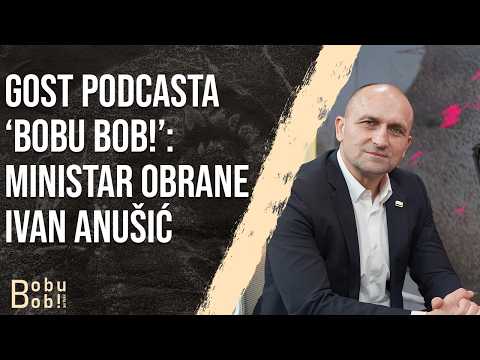
Nova epizoda podcasta "Bobu Bob": Ivan Anušić o Milanoviću, Thompsonu, Iranu, Srbiji i vojnom roku
Summary
Ivan Anušić discusses the reintroduction of military service in Croatia after a 17-year suspension, emphasizing its importance for national defense and youth engagement. The initiative aims to prepare infrastructure and involve young people in military training, which is seen as crucial for the country's security.
Concerns arise regarding the adequacy of a two-month training period for recruits, with critics questioning whether such a short duration can effectively prepare individuals for military service. The discussion highlights the complexities of implementing this initiative, including societal acceptance and the potential for inadequate skill development.
The Croatian government is focused on enhancing military capabilities to address significant gaps in personnel and operational readiness. Anušić stresses the need for coherent policies and collaboration among government entities to ensure the effectiveness of military reforms.
Political divisions and external influences complicate the landscape of military reform in Croatia. Anušić expresses grievances about the impact of political actions on national unity and the importance of fostering a cohesive approach to defense strategies.
Perspectives
short
Ivan Anušić and Supporters of Military Reform
- Advocates for reintroducing military service to enhance national defense
- Emphasizes the importance of youth engagement in military training
- Argues that infrastructure preparation is crucial for effective military service
- Highlights the need for coherent policies to address military personnel gaps
- Stresses the integration of advanced technology for modern defense capabilities
- Calls for collaboration with international partners to strengthen military readiness
Critics of Military Reform
- Questions the adequacy of a two-month training period for recruits
- Raises concerns about societal acceptance of mandatory military service
- Critiques the potential for inadequate skill development among recruits
- Highlights the complexities of political divisions affecting military reforms
- Warns against relying solely on military enhancements without addressing societal issues
Neutral / Shared
- Acknowledges the need for comprehensive policies addressing climate change and migration
- Recognizes the importance of public perception in military initiatives
Metrics
training_duration
two months
duration of military training proposed
Short training periods may not adequately prepare recruits for military service.
In two months, it is enough for the fighters to survive the movement of Yugoslavia.
personnel
a few thousand people units
current military personnel numbers
Insufficient personnel can hinder effective military operations.
there are a few thousand people in the country, who are asking for military support after 17 thousand years.
other
120 pounds units
military equipment procurement
This indicates a significant investment in military capabilities.
We bought 120 pounds.
other
12 pounds units
potential resale value of military equipment
This suggests a potential financial loss in military procurement.
it's worth 12 pounds.
investment
90 million euros EUR
planned military program funding
This investment is crucial for enhancing Croatia's military capabilities.
the ones that are on these billion and 90 million euros
loan
1000 euros EUR
loan amount for military projects
Regulated loans ensure accountability in military spending.
you can't get a loan from a loan of 1000 euros
post-docs
92 units
active post-docs involved in military technology
A significant number of experts can enhance military strategy and technology.
92 post-docs were active
other
2,300 years
duration of occupation
This highlights the long-standing geopolitical complexities affecting Ukraine.
it is 2,300 years of occupation.
Key entities
Timeline highlights
00:00–05:00
Ivan Anušić discusses the reintroduction of military service after 17 years, highlighting its significance for national defense and youth involvement. The initiative aims to prepare infrastructure and engage young people in military service.
- Ivan Anušić discusses the return of military service after 17 years, emphasizing its importance for national defense and youth engagement
05:00–10:00
The reintroduction of military service aims to engage youth and enhance national defense. Concerns about training adequacy and inclusivity highlight the complexities of this initiative.
- The potential for effective military training within two months raises questions about adequacy
- Concerns about discrimination highlight the need for inclusivity in military service
- Historical context shows that military training periods have evolved since the 1990s
- The urgency for young people to secure employment connects military service with job opportunities
- A longer training period of three to six months may be more beneficial for effective military preparation
10:00–15:00
The government is focused on developing the armed forces to ensure future stability and address the significant demand for military support after 17 years of suspension. Current military personnel numbers are deemed insufficient for effective operations, highlighting the need for a coherent policy and cooperation among government entities.
- The government is focused on developing the armed forces for future stability
- There is significant demand for military support after 17 years of suspension
- Current military personnel numbers are insufficient for effective operations
- Equality within the armed forces undermines military effectiveness
- The president must establish a coherent policy for the armed forces
- Cooperation among government entities is essential for military strategy development
15:00–20:00
The minister expressed deep grievances regarding political divisions and personal ruin due to political actions. He emphasized the importance of military training and development in light of geopolitical challenges and the need for greater independence in foreign policy.
- The minister criticized political divisions, labeling a key figure a traitor, reflecting deep grievances in the political landscape
- He expressed personal ruin from political actions, highlighting the emotional toll of ongoing strife
- A recent visit to Israel was emphasized as crucial for strengthening international relations and addressing regional issues
- Training and development in military operations are vital, especially in light of recent agreements and geopolitical challenges
- The minister condemned external influences from Russia and the U.S., advocating for greater independence in foreign policy
- He referenced a military trophy, symbolizing national pride and the importance of military legacy in defense strategies
20:00–25:00
The Croatian military is urged to integrate advanced technology to bolster national security. This integration is seen as essential for adapting to contemporary geopolitical challenges.
- The Croatian military must integrate technology to enhance capabilities and ensure national security
25:00–30:00
Croatia is facing significant gaps in military strength and preparedness, necessitating urgent enhancements in information and intelligence capabilities. The current military structure is deemed inadequate for effective operations, highlighting the need for a coherent policy and collaboration among government entities.
- Croatia must enhance military strength and preparedness to address significant gaps in information and intelligence