Politics / Croatia
Energy Crisis and Policy Responses
The ongoing energy crisis continues to impact households, with the International Energy Agency recommending conservation measures. The Croatian government has implemented fuel price caps and is considering a floating VAT to stabilize energy costs amid rising prices. These measures aim to protect consumers from the financial strain caused by escalating energy costs.
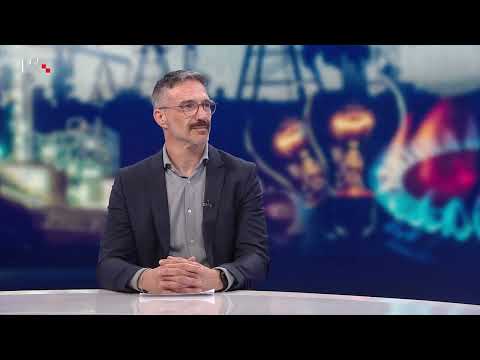
Source material: Potrošački kod, 10. travnja 2026.
Summary
The ongoing energy crisis continues to impact households, with the International Energy Agency recommending conservation measures. The Croatian government has implemented fuel price caps and is considering a floating VAT to stabilize energy costs amid rising prices. These measures aim to protect consumers from the financial strain caused by escalating energy costs.
Challenges persist as the government struggles to manage rising energy prices, particularly for vulnerable groups. Concerns about potential fuel shortages and ongoing geopolitical tensions suggest that high energy costs may remain a significant issue, affecting overall economic stability. Immediate energy-saving measures and long-term investments in renewable sources are necessary to alleviate financial strain on households.
Rising crude oil prices are exerting significant pressure on consumers and businesses, especially in the diesel market. Croatia's fuel costs are higher than those of neighboring EU countries, necessitating coordinated regional measures to stabilize prices. The reliance on external interventions may not account for the potential volatility of crude oil prices driven by ongoing conflicts.
The government’s approach to capping fuel prices and proposing a floating VAT assumes these measures will effectively shield consumers from rising costs. However, this overlooks the complex interplay of global supply chains and geopolitical factors that could exacerbate the crisis. The effectiveness of the floating VAT in reducing energy prices remains uncertain, suggesting a need for more comprehensive policy solutions.
Perspectives
Analysis of the energy crisis and policy responses in Croatia.
Government and Energy Experts
- Implement fuel price caps to protect consumers
- Propose a floating VAT to stabilize energy costs
- Recommend conservation measures to mitigate the energy crisis
- Highlight the need for long-term investments in renewable energy sources
- Emphasize the importance of immediate energy-saving measures
Critics of Current Energy Policies
- Question the effectiveness of a floating VAT in reducing energy prices
- Argue that reliance on tax adjustments overlooks global supply chain complexities
- Highlight potential inflationary pressures from proposed measures
- Critique the governments approach as insufficient to address underlying issues
Neutral / Shared
- Acknowledge the impact of rising energy prices on households
- Recognize the need for coordinated regional measures to stabilize fuel prices
- Discuss the importance of education and awareness in energy efficiency
Metrics
other
200 liters
fuel consumption
This indicates a significant volume of fuel that may be affected by rising prices.
200 liters, then you go there to the next floor and you will see that you go to 200 liters.
dependency
60%
Croatia's energy imports
High dependency on imports makes Croatia vulnerable to global market fluctuations.
Croatia and so on, 55 years and 60% of the purchase of energy in the country.
energy_production
25 to 30 percent %
Croatia's domestic energy production
Low domestic production limits energy security and increases reliance on imports.
between 25 and 30 percent of the energy energy is the year of the Croatian air.
price
2.4 euros EUR
target price of diesel
The target price indicates the government's efforts to manage fuel costs amidst rising prices.
The target of the Lytre-Dizola is 2.4 euros.
Key entities
Timeline highlights
00:00–05:00
The energy crisis continues to affect households, prompting the International Energy Agency to recommend conservation measures. The government is struggling to manage rising energy costs while considering a floating VAT to protect consumers.
- The energy crisis persists, leading the International Energy Agency to suggest conservation measures. This situation raises concerns about its impact on households and the necessity for future energy planning
- The government has imposed a cap on fuel prices and proposed a floating VAT as a last resort, reflecting its struggle to manage rising energy costs while protecting consumers
- Experts caution that geopolitical tensions, especially in the Middle East, may continue to push energy prices higher. Escalating conflicts could further increase costs, affecting global markets
- Despite some hopes for price stabilization, energy prices are likely to remain high due to ongoing supply chain disruptions and production issues in critical regions
- Energy prices in Croatia are among the highest in Europe, raising significant concerns for consumers. This disparity underscores the urgent need for effective policy interventions
- The floating VAT proposal could potentially reduce energy prices, but its effectiveness is uncertain. The government must take decisive action to alleviate the financial strain on consumers amid rising costs
05:00–10:00
The government is facing challenges in managing rising energy prices that are straining household budgets, particularly for vulnerable groups. Concerns about potential fuel shortages and ongoing geopolitical tensions suggest that high energy costs may persist, impacting overall economic stability.
- The government is struggling to control rising energy prices, which are affecting household budgets, especially for retirees and low-income families. This situation creates additional financial pressure on these vulnerable groups
- Concerns are growing about potential shortages of fuel, which could lead to increased costs for consumers. This uncertainty raises fears about the affordability of essential goods and services
- Energy prices are expected to remain high due to ongoing geopolitical tensions and supply chain disruptions. This could result in consumers facing higher costs for an extended period
- The government has limited options to intervene in the energy market, primarily relying on adjustments to taxes and duties. However, these measures may not be sufficient to alleviate the financial burden on consumers
- There is a significant risk that energy costs will continue to rise, impacting overall economic stability. This could lead to a cycle of increased prices that consumers will ultimately have to bear
- The energy crisis highlights the need for consumers to adopt energy-saving measures. As prices escalate, finding ways to reduce consumption will become increasingly important for households
10:00–15:00
Rising energy prices, particularly for diesel, pose a significant risk to the cost of essential goods in Croatia. Immediate energy-saving measures and long-term investments in energy efficiency and renewable sources are necessary to alleviate financial strain on households.
- There is a significant risk of rising energy prices, particularly for diesel, which could impact the cost of essential goods. This situation necessitates immediate energy-saving measures from citizens to mitigate the financial strain
- Short-term strategies include reducing car usage and increasing reliance on public transport or cycling. These actions can help individuals manage their current energy consumption more effectively
- Long-term solutions should focus on investing in energy efficiency and renewable energy sources, such as solar panels. Transitioning to more efficient heating systems can significantly reduce energy costs over time
- Croatias energy dependency is concerning, as it imports a large portion of its energy needs. This reliance on external sources makes the country vulnerable to fluctuations in global energy markets
- The government is considering implementing a floating VAT as a last resort to manage energy prices. This measure could provide temporary relief but raises concerns about inflation and economic stability
- Despite the challenges, Croatias refineries are operating at full capacity, ensuring a stable supply of fuel. This operational stability is crucial for meeting the countrys energy demands amid ongoing crises
15:00–20:00
The ongoing energy crisis is prompting households to adopt energy-saving measures and consider alternative energy sources. Immediate planning for energy procurement is essential to mitigate potential shortages as winter approaches.
- The ongoing energy crisis is causing rising costs and uncertainty for households, prompting the need for immediate planning regarding energy sources for the autumn
- Households must implement energy-saving measures as summer approaches, utilizing efficient technologies to lessen the impact of increasing energy prices
- Solar energy is a practical solution for cooling during high temperatures, and expanding solar panel installations can reduce dependence on conventional energy sources
- Raising awareness about energy-saving practices is essential, as many residents lack knowledge of effective measures like thermal insulation that can lead to significant savings
- As winter nears, those relying on fossil fuels for heating should consider transitioning to sustainable technologies, such as heat pumps or geothermal systems, for long-term cost benefits
- Planning for energy procurement is crucial as households prepare for potential shortages, ensuring they avoid last-minute resource acquisition
20:00–25:00
Rising crude oil prices are exerting significant pressure on consumers and businesses, particularly in the diesel market. Croatia's fuel costs are higher than those of neighboring EU countries, necessitating coordinated regional measures to stabilize prices.
- Rising crude oil prices, now over $100 per barrel, are intensifying pressure on consumers and businesses, particularly in the diesel market
- Croatia is facing higher fuel costs compared to neighboring EU countries, highlighting the need for coordinated regional measures to stabilize prices
- The French government expects a drop in oil derivative prices due to recent market interventions, which is essential for easing the financial strain on citizens
- Geopolitical tensions in the Hormuz Strait raise concerns about potential oil supply disruptions, necessitating a strategic focus on alternative energy sources
- Experts predict long-term price increases in the energy market driven by ongoing conflicts and the shift to renewable energy, requiring significant investment and changes in consumption practices
- As winter approaches, households are encouraged to explore alternative heating options like heat pumps and geothermal energy for more stable and cost-effective solutions
25:00–30:00
The energy crisis is prompting the International Energy Agency to recommend conservation measures, raising concerns about household impacts as autumn approaches. The Croatian government has implemented fuel price caps and proposed a floating VAT to stabilize energy costs amid rising prices.
- The energy crisis continues, leading the International Energy Agency to suggest conservation measures. This raises concerns about household impacts and the need for planning as autumn nears
- The government has set fuel price caps and proposed a floating VAT as a last resort to stabilize energy costs amid rising prices
- Diesel prices in Croatia are notably higher than in neighboring EU countries, increasing pressure on consumers and businesses facing rising energy costs
- Experts caution that crude oil prices may keep rising, adding financial strain on citizens and businesses, which requires vigilant monitoring and proactive strategies
- The volatile situation in the Middle East could affect global oil prices, making a stable resolution essential for lowering energy costs soon
- There is an expectation of long-term energy price increases due to ongoing geopolitical tensions and market dynamics, highlighting the need to transition to renewable energy for future security