Politics / China
China politics page with daily media monitoring across CCTV, China Daily, Global Times and Caixin, structured summaries of domestic political developments and a country-level press overview.
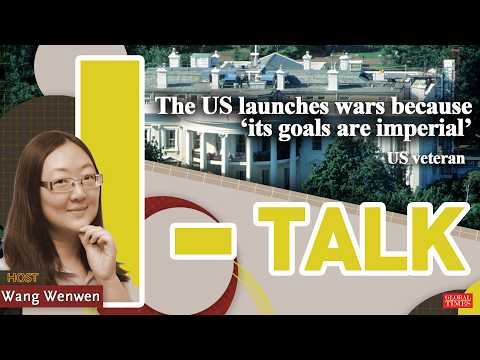
The US launches wars because ‘its goals are imperial’: US veteran
Summary
US military operations in Iran are perceived as driven by imperial goals rather than national interests. The ongoing conflict raises concerns about the potential for a prolonged war, reminiscent of the Vietnam War, which could have devastating effects on both military personnel and civilians.
Veterans express frustration over the lack of a sufficient social safety net for those affected by war. The costs of war extend beyond financial expenditures to include the psychological and social impacts on veterans and their families.
Critics argue that the federal budget fails to account for the true costs of military interventions, leaving veterans vulnerable. The current military actions reflect a troubling belief in American exceptionalism and a disregard for the will of the people in affected regions.
Perspectives
short
Proponents of military intervention
- Claim that military actions are necessary to maintain US power
- Argue that intervention is justified to protect national interests
- Highlight the need for military strength in global affairs
Critics of military intervention
- Accuse the government of pursuing imperial goals rather than national interests
- Reject the notion that military solutions are preferable to diplomatic efforts
Neutral / Shared
- Acknowledge the financial costs of war and their impact on veterans
- Recognize the historical context of US military interventions
Metrics
protest_participation
8 million people
number of people protesting against US actions in Iran
This indicates significant public dissent against military actions.
an estimated 8 million people took to the streets of cities across 50 US states
other
the federal government's budget does not cover any of those
federal budget coverage of war costs
This indicates a significant oversight in financial planning for veterans.
the federal government's budget does not cover any of those
Key entities
Timeline highlights
00:00–05:00
US military operations in Iran are perceived as driven by imperial goals rather than national interests, with significant implications for regional stability. Concerns are raised about the potential for a prolonged conflict reminiscent of the Vietnam War, affecting both military personnel and civilians.
- The US frequently engages in military conflicts to pursue imperial goals, benefiting private military contractors rather than serving national interests. This pattern raises concerns about the motivations behind such interventions
- US military actions in Iran seem aimed at eliminating regional opposition to the US and Israel, with control over oil resources also playing a crucial role. This dual focus complicates the geopolitical landscape
- There is significant worry that the US may become entrenched in a long-term conflict akin to the Vietnam War, which historically results in high casualties and profits for military suppliers
- Despite its military superiority, the USs preference for military solutions over diplomacy raises doubts about achieving lasting success. This approach suggests a troubling lack of accountability in foreign policy
- The language used to justify military actions has become increasingly extreme, with leaders invoking divine support for warfare. This trend mirrors past conflicts and indicates a concerning mindset among current officials
- The US government has not adequately supported veterans, who experience high rates of suicide and PTSD. The repercussions of war extend beyond financial costs, affecting individuals and communities deeply
05:00–10:00
The federal budget fails to account for the costs of war, leaving veterans and their families at risk. Current military actions in Iran reflect a troubling belief in American exceptionalism and a disregard for the will of the people.
- The federal budget neglects the costs of war, leaving veterans and their families vulnerable. This oversight is influenced by powerful interests benefiting from military actions and healthcare systems
- Mike Ferners insights reveal the risks of repeating past military mistakes. The U.S
- Washington often prioritizes military might over the will of the people in foreign conflicts. This approach raises concerns about escalating tensions, especially in Iran
- The situation in Iran is a significant challenge for U.S. foreign policy and military strategy
- Current military actions reflect a troubling belief in American exceptionalism, suggesting a lack of accountability. This mindset can lead to reckless foreign policy decisions
- Wars impact extends beyond financial costs, deeply affecting veterans and their communities. The insufficient support for returning soldiers highlights the long-term consequences of military engagements