Politics / Canada
U.K. Tobacco Ban: A Step Towards a Smoke-Free Generation
The U.K. has enacted a law prohibiting the sale of tobacco and vaping products to individuals born on or after January 1, 2009, aiming to establish a smoke-free generation. This legislation, proposed by Prime Minister Rishi Sunak and supported by the Labour Party, is viewed as a significant public health initiative that could save lives and reduce healthcare costs.
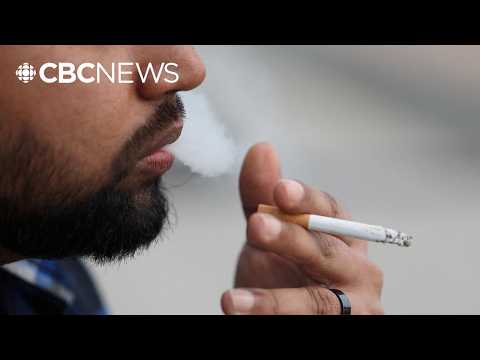
Source material: U.K. lawmakers approve lifetime tobacco ban for anyone born in 2009 or after
Summary
The U.K. has enacted a law prohibiting the sale of tobacco and vaping products to individuals born on or after January 1, 2009, aiming to establish a smoke-free generation. This legislation, proposed by Prime Minister Rishi Sunak and supported by the Labour Party, is viewed as a significant public health initiative that could save lives and reduce healthcare costs.
The law includes restrictions on vaping in vehicles with children and in playgrounds, part of a broader effort to deter youth from smoking. Public health advocates, including those from asthma and lung organizations, have hailed the law as revolutionary and hope it will inspire similar measures in other countries.
Some retailers express skepticism about the law's impact on their business, raising concerns about overburdening them with responsibility instead of focusing on public choice. In Canada, youth smoking rates are declining, but there is a concerning rise in youth vaping, presenting a different public health issue.
Concerns arise regarding the potential emergence of a black market due to the prohibition. Experts believe that while a black market may develop, the overall public health benefits will outweigh this risk.
Perspectives
short
Public Health Advocates
- Claim the ban will save lives and reduce healthcare costs
Skeptics and Retailers
- Warn about the potential emergence of a black market
- Question the burden placed on retailers to enforce the ban
Neutral / Shared
- Highlight the ongoing debate about the effectiveness of generational bans versus education
- Note the decline in youth smoking rates in Canada alongside rising youth vaping
Metrics
other
14% of youth who admitted to vaping
youth vaping rates
Indicates a concerning trend in youth vaping despite declining smoking rates
14% of youth who admitted to vaping the last 30 days of this poll in 2022
Key entities
Timeline highlights
00:00–05:00
The U.K. has enacted a law prohibiting the sale of tobacco and vaping products to individuals born on or after January 1, 2009.
- The UK has enacted a law prohibiting the sale of tobacco and vaping products to individuals born on or after January 1, 2009, aiming to establish a smoke-free generation
- Proposed by Prime Minister Rishi Sunak and backed by the Labour Party, this legislation is viewed as a major public health initiative that could save lives and lower healthcare expenses
- The law also includes restrictions on vaping in vehicles with children and in playgrounds, part of a broader effort to deter youth from smoking
- Public health advocates, including those from asthma and lung organizations, have hailed the law as revolutionary and hope it will motivate similar measures in other nations
- Some retailers express skepticism about the laws impact on their business, raising concerns about overburdening them with responsibility instead of focusing on public choice
- In Canada, youth smoking rates are declining, but there is a concerning rise in youth vaping, presenting a different public health issue
05:00–10:00
The U.K. has enacted a law banning the sale of tobacco and vaping products to individuals born on or after January 1, 2009.
- The U.K.s lifetime tobacco ban for individuals born after January 1, 2009, raises concerns about the potential emergence of a black market, though experts believe the public health benefits will outweigh this risk
- Dr. Samir Gupta points out that high cigarette taxes have historically lowered smoking rates, suggesting that similar strategies could effectively reduce youth tobacco use despite possible black market activity
- There is an ongoing debate about the effectiveness of generational bans versus educational approaches in preventing smoking, with some fearing significant legal and societal resistance in countries like Canada
- New Zealands experience with a similar ban, which was later repealed, serves as a warning for other nations, highlighting the importance of careful implementation and securing public support