Politics / Canada
Calgary snowfall impacts
Calgary and southern Alberta are currently under a heavy snowfall warning, with significant snowfall affecting visibility and travel. The wintry conditions began last night and have continued to create hazardous situations on the roads.
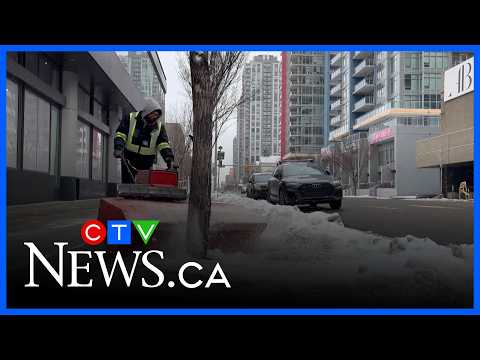
Source material: Parts of southern Calgary pummeled by snow
Summary
Calgary and southern Alberta are currently under a heavy snowfall warning, with significant snowfall affecting visibility and travel. The wintry conditions began last night and have continued to create hazardous situations on the roads.
Reports indicate that there have been 155 crashes in Calgary, with a third of flights at Calgary International Airport delayed due to the weather. Emergency services are urging drivers to exercise caution and prepare adequately for winter driving conditions.
Avalanche Canada has raised concerns about avalanche risks in the region, particularly in the mountains where fresh snow and strong winds have created dangerous conditions. Recent fatalities in British Columbia and Alberta highlight the seriousness of these risks.
Authorities recommend that individuals heading into backcountry areas check the latest conditions and avoid risky slopes. The situation underscores the importance of public awareness regarding winter safety and the need for effective snow removal strategies.
Perspectives
short
Emergency Services and Authorities
- Warn about reduced visibility making travel challenging
- Report 155 crashes in Calgary due to the snowfall
- Advise drivers to take precautions and drive slowly
- Encourage snow removal from vehicles to ensure safety
- Highlight the need for preparedness in winter conditions
- Caution against risky backcountry activities during avalanche warnings
Travelers and Residents
- Express concerns about delays and hazardous driving conditions
- Mention the need for extra time to navigate roads safely
- Acknowledge the unpredictability of Alberta weather
Neutral / Shared
- Note that a full fleet of snow removal equipment is deployed
- Mention the ongoing avalanche risk in Alberta and BC
Metrics
collisions
155 units
total crashes reported in Calgary
This number indicates the severity of travel conditions due to the snowfall.
so far in Calgary there have been 155 crashes
flight delays
a third %
percentage of flights delayed at YYC
Flight delays reflect the broader impact of weather on transportation infrastructure.
about a third of the flights at YYC were delayed
fatalities
three units
avalanche-related fatalities in the area
This statistic underscores the dangers posed by avalanches in the region.
Avalanche has killed three people in the area over the past 10 days
Key entities
Timeline highlights
00:00–05:00
Calgary and southern Alberta are experiencing heavy snowfall, leading to reduced visibility and challenging travel conditions. There have been 155 crashes reported in Calgary, and a third of flights at YYC have been delayed this afternoon.
- Calgary and southern Alberta are under a heavy snowfall warning, with snow continuing to fall since last night. Visibility is a significant concern, making travel challenging in the area
- Environment Canada has warned that reduced visibility can complicate travel conditions. So far, Calgary has reported 155 crashes, and a third of flights at YYC have been delayed this afternoon
- Avalanche Canada has provided details about the current avalanche risk. A new layer of snow on top of melted snow creates slippery conditions on many roads
- Calgarys snow removal fleet, including snow sweepers, plows, and sanders, is actively working to address the snow and ice. Drivers are advised to take precautions, such as driving slowly and removing snow from their vehicles
- Avalanche risk is heightened in the mountains due to fresh snow and strong winds. Recent fatalities in British Columbia and Alberta have raised concerns about safety in backcountry areas
- Avalanche Canada recommends that individuals heading into the backcountry check the latest conditions. It is important to avoid risky slopes and use proper terrain to minimize avalanche risks