Politics / Canada
Strait of Hormuz Tensions and Diplomatic Efforts
Tensions in the Strait of Hormuz have escalated as Iran reversed its decision to open the waterway, impacting global energy stability. Diplomatic efforts between the U.S. and Iran face significant challenges, with ongoing uncertainty regarding ceasefires and negotiations.
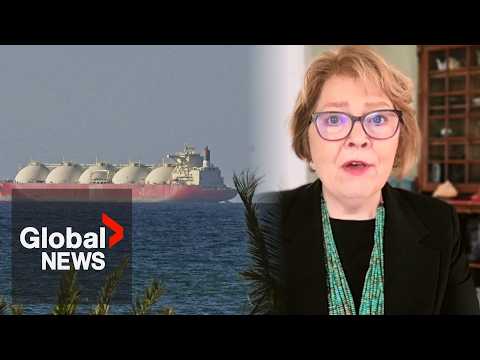
Source material: Reopening Strait or of Hormuz is “both critical and urgent,” former US diplomat says
Summary
Tensions in the Strait of Hormuz have escalated as Iran reversed its decision to open the waterway, impacting global energy stability. Diplomatic efforts between the U.S. and Iran face significant challenges, with ongoing uncertainty regarding ceasefires and negotiations.
Barbara Leaf emphasizes the need for a framework agreement in U.S.-Iran negotiations to effectively address nuclear issues while avoiding other contentious matters. The humanitarian crisis in Lebanon, exacerbated by Israeli actions against Hezbollah, complicates U.S. diplomatic efforts.
Leaf expresses cautious optimism about U.S.-Iran ceasefire talks, acknowledging initial hopes for progress but recognizing ongoing challenges due to recent developments. The U.S. negotiation team, led by individuals lacking extensive diplomatic experience, may benefit from a wider range of expertise.
Reopening the Strait of Hormuz is critical and urgent, as its closure is impacting global energy supplies and driving up prices. Addressing the strait's closure is more immediate than the nuclear negotiations with Iran, which are important but less urgent in the current context.
Perspectives
Analysis of U.S.-Iran negotiations and regional tensions.
U.S. Position
- Prioritizes reopening the Strait of Hormuz as critical and urgent for global energy stability
- Emphasizes the need for a framework agreement to address nuclear issues while managing other regional tensions
Iran Position
- Maintains control over the Strait of Hormuz, complicating U.S. negotiations
- Engages in military actions that undermine ceasefire agreements and diplomatic efforts
Neutral / Shared
- Ongoing humanitarian crisis in Lebanon complicates the diplomatic landscape
Key entities
Timeline highlights
00:00–05:00
Tensions in the Strait of Hormuz have escalated as Iran reversed its decision to open the waterway, impacting global energy stability. Diplomatic efforts between the U.S.
- Iran has escalated tensions in the Strait of Hormuz by reversing its decision to open the waterway, which poses risks to global energy stability
- Barbara Leaf highlights the need for a framework agreement in U.S.-Iran negotiations to effectively address nuclear issues while avoiding other contentious matters
- The humanitarian crisis in Lebanon, worsened by Israeli actions against Hezbollah, complicates U.S. diplomatic efforts and underscores the fragility of ceasefires in the region
- Leaf expresses cautious optimism about U.S.-Iran ceasefire talks, acknowledging initial hopes for progress but recognizing ongoing challenges due to recent developments
- The U.S. negotiation team, led by individuals lacking extensive diplomatic experience, may benefit from a wider range of expertise to tackle the complex issues involved
05:00–10:00
The closure of the Strait of Hormuz is significantly impacting global energy supplies and driving up prices. Experts emphasize that reopening the strait is more urgent than ongoing nuclear negotiations with Iran.
- Reopening the Strait of Hormuz is critical and urgent, as its closure is impacting global energy supplies and driving up prices
- Addressing the straits closure is more immediate than the nuclear negotiations with Iran, which are important but less urgent in the current context
- Barbara Leaf stresses the need for U.S. negotiators to have strong support from experts in various fields, highlighting a contrast with the Iranian delegations expertise
- The U.S. administration is refocusing on nuclear discussions, yet there is a consensus that the situation in the strait demands prompt attention
- Ongoing tensions in the region and the risk of further conflict highlight the fragile nature of negotiations, making the reopening of the strait a priority for future diplomatic efforts