Politics / Canada
Canada politics page with daily media monitoring across CBC News, CTV News and The Globe and Mail, structured summaries of domestic political developments and a country-level press overview.
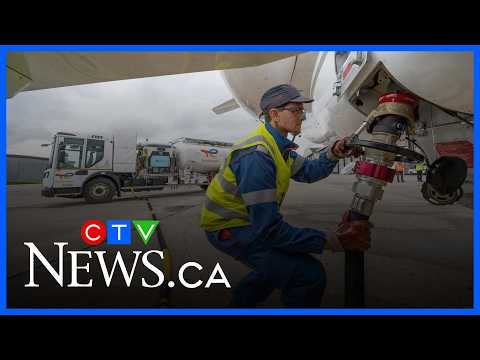
Parts of the world will start to run out of aviation fuel ‘in about a week or so’: aviation expert
Summary
Aviation expert John Gradek highlights an unprecedented aviation fuel shortage stemming from conflicts in the Middle East, which supply a significant portion of the world's aviation fuel. He notes that the current situation is reminiscent of the fuel crisis in the 1970s but is more severe due to geopolitical tensions.
Gradek warns that parts of the world, particularly Southeast Asia, may start running out of aviation fuel within a week. Countries like Vietnam, Malaysia, and the Philippines are likely candidates for declaring rationing as the supply chain has been severely disrupted.
Canadian airlines are responding to rising fuel costs by reducing flight frequencies rather than canceling routes entirely. This strategy aims to maintain service levels while managing operational costs, but it may lead to consumer dissatisfaction.
Gradek expresses skepticism about the temporary nature of fuel surcharges imposed by airlines. Historical trends indicate that such surcharges often persist long after the initial crisis has passed, complicating the financial landscape for travelers.
Perspectives
short
Aviation Expert
- Warns of an unprecedented aviation fuel shortage due to Middle Eastern conflicts
- Highlights that 25 to 30 percent of global aviation fuel originates from the Middle East
- Predicts that parts of Southeast Asia will run out of aviation fuel within a week
- Notes that Canadian airlines are reducing flight frequencies to manage costs
- Questions the temporary nature of fuel surcharges imposed by airlines
Metrics
weeks
six to seven weeks
time to move aviation fuel from the Middle East to airports
This timeframe indicates the urgency of the supply chain issue.
it takes about six to seven weeks to move the aviation fuel from the Middle East to the various airports around the world
days
within the next week days
timeframe for expected aviation fuel shortages
This imminent shortage will directly affect air travel and operations.
we're going to start running out of aviation fuel probably within the next week
flights
one or two flights a day flights
reduction in flight frequencies by Canadian airlines
This reduction reflects the airlines' strategy to cope with rising fuel costs.
they're reducing it by, you know, one or two flights a day
percentage
20 percent %
oil supply from the Persian Gulf
This percentage indicates the significant reliance on this region for oil supply.
the amount of oil supply that comes through the state of war and moves at 20 percent
Key entities
Timeline highlights
00:00–05:00
Aviation expert John Gradek warns of an unprecedented aviation fuel shortage due to ongoing conflicts in the Middle East, which supply 25 to 30 percent of global aviation fuel. This shortage is expected to disrupt air travel significantly, with Canadian airlines reducing flight frequencies to manage increased operational costs.
- Aviation expert John Gradek warns that the world is facing an unprecedented aviation fuel shortage, reminiscent of the oil crisis in the 1970s. This situation is particularly alarming as it could lead to significant disruptions in air travel
- Gradek highlights that approximately 25 to 30 percent of global aviation fuel originates from the Middle East, making the regions instability a critical factor. The ongoing conflict has severely impacted the supply chain, leading to rising fuel prices and potential shortages
- He predicts that various parts of the world will start running out of aviation fuel within a week. This impending shortage will have a direct negative impact on travelers and the airline industry
- Canadian airlines are responding to the fuel crisis by reducing flight frequencies rather than canceling routes entirely. This strategy aims to maintain service levels while managing increased operational costs due to higher fuel prices
- Gradek notes that surcharges imposed by airlines during this crisis are likely to persist. Historical trends suggest that such fees rarely decrease once introduced, indicating that consumers may face higher travel costs for the foreseeable future
- The expert also points out that U.S. carriers are implementing additional fees, such as increased baggage charges