Politics / Bulgaria
The Future of Sustainable Tourism in Bulgaria
Climate change poses significant economic risks to tourism in Bulgaria, with projections indicating a potential rise in average temperatures by 2 to 4 degrees Celsius. This change could lead to altered seasons and increased extreme weather events, impacting the tourism sector.
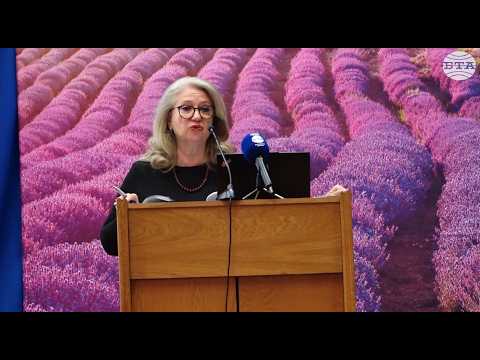
Source material: Irena Georgieva: The Future of Tourism is in the Balance Between Technology and Nature, Growth and Preservation
Summary
Climate change poses significant economic risks to tourism in Bulgaria, with projections indicating a potential rise in average temperatures by 2 to 4 degrees Celsius. This change could lead to altered seasons and increased extreme weather events, impacting the tourism sector.
Tourism accounts for approximately 8 to 10% of global greenhouse gas emissions, yet it also holds substantial potential for adopting sustainable practices. Investments in decarbonization and circular economy initiatives are becoming more prevalent within the industry.
Modern travelers are increasingly informed and responsible, with a notable 70% expressing a preference for sustainable travel options. This trend highlights a shift towards smaller, authentic destinations that prioritize local culture and environmental balance.
The Bulgarian government emphasizes the necessity for a European strategy focused on sustainable tourism. Enhancing transport connectivity and investing in sustainable practices are crucial to leveraging the country's rich natural and cultural assets.
Perspectives
short
Support for Sustainable Practices
- Emphasizes the need for a balance between tourism growth and environmental preservation
- Highlights the increasing demand for sustainable travel options among modern travelers
Challenges of Integration
- Questions the seamless integration of technology with nature in tourism
- Notes potential conflicts between development and environmental preservation
Neutral / Shared
- Acknowledges the economic risks posed by climate change to the tourism sector
- Recognizes the importance of a European strategy for sustainable tourism
Key entities
Timeline highlights
00:00–05:00
Irena Georgieva emphasizes the need for a balance in tourism between growth and preservation, technology and nature. The future of Bulgarian tourism hinges on sustainable practices and regional development.
- Climate change presents measurable economic risks to tourism in Bulgaria, with forecasts suggesting average temperatures could rise by 2 to 4 degrees Celsius by the centurys end, resulting in altered seasons and more extreme weather events
- Tourism contributes approximately 8 to 10% of global greenhouse gas emissions, but it also has significant potential for adopting sustainable practices, with increasing investments in decarbonization and circular economy initiatives
- Modern travelers are more informed and responsible, with 70% indicating a preference for sustainable travel options, reflecting a trend towards smaller, authentic destinations that emphasize local culture and environmental balance
- The Bulgarian government stresses the need for a European strategy for sustainable tourism, focusing on enhancing transport connectivity and investing in sustainable practices to capitalize on the countrys rich natural and cultural assets
- The future of Bulgarian tourism relies on achieving a balance between sector growth and environmental preservation, requiring policies that promote sustainable practices and regional development in areas with high natural and cultural significance