Politics / Bulgaria
Legacy of Professor Alexander Chirkov
Professor Alexander Chirkov was a pioneering cardiac surgeon in Bulgaria, known for performing the country's first heart transplant. His daughter, Tatiana Chirkova, reflects on his legacy and the personal sacrifices he made for his profession. Chirkov's ambition to modernize Bulgarian medicine faced significant resistance from the bureaucratic healthcare system.
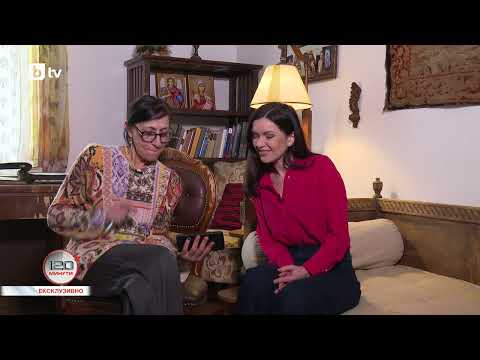
Source material: Дъщерята на проф. Чирков: „Той мечтаеше да направи хората по-добри“
Summary
Professor Alexander Chirkov was a pioneering cardiac surgeon in Bulgaria, known for performing the country's first heart transplant. His daughter, Tatiana Chirkova, reflects on his legacy and the personal sacrifices he made for his profession. Chirkov's ambition to modernize Bulgarian medicine faced significant resistance from the bureaucratic healthcare system.
In 1986, Bulgaria achieved a significant milestone in heart transplantation with the first successful operation on an 11-year-old patient. Chirkov's instrumental role in this achievement highlights his dedication to advancing medical practices in the country. However, systemic issues and a lack of political support often hindered his efforts.
Chirkov's legacy is honored through the establishment of hospitals and medical centers that continue to serve the community. His commitment to patient care and medical innovation remains a source of inspiration for future generations. Despite his contributions, the narrative reveals the challenges within Bulgaria's healthcare system that limited his impact.
The emotional resonance of Chirkov's legacy suggests a societal yearning for reform in the healthcare sector. Recognition of his contributions is essential, yet it must be accompanied by a critical examination of the systemic barriers that persist. Without addressing these issues, the acknowledgment of his work risks becoming superficial.
Perspectives
short
Supporters of Chirkov's Legacy
- Highlights Chirkovs pioneering role in cardiac surgery
- Celebrates the first heart transplant in Bulgaria as a significant achievement
- Emphasizes the importance of his contributions to modernizing Bulgarian medicine
- Recognizes the emotional impact of his legacy on society
- Calls for genuine recognition of his work to inspire future generations
Critics of the Healthcare System
- Questions the systemic barriers that hindered Chirkovs innovations
- Critiques the lack of political support for medical advancements
- Points out the emotional toll on healthcare professionals and their families
- Challenges the superficial recognition of Chirkovs contributions without addressing underlying issues
- Argues that the healthcare systems failures limit the impact of individual contributions
Neutral / Shared
- Acknowledges the personal sacrifices made by Chirkov and his family
- Notes the establishment of hospitals in his honor
- Mentions the societal desire for healthcare reform
Key entities
Timeline highlights
00:00–05:00
Professor Alexander Chirkov was a pioneering cardiac surgeon in Bulgaria, known for performing the country's first heart transplant. His daughter, Tatiana Chirkova, reflects on his legacy and the personal sacrifices he made for his profession.
- Professor Alexander Chirkov was a pioneering cardiac surgeon in Bulgaria, known for performing the countrys first heart transplant. His work significantly impacted the field of cardiology and saved many lives
- Tatiana Chirkova, his daughter, reflects on her fathers legacy and the personal sacrifices he made for his profession. She emphasizes that he was not just a family man but someone dedicated to a greater mission
- The interview reveals Tatianas deep emotional connection to her fathers memory and the challenges they faced as a family. She shares insights into his character and the values he instilled in her
- Tatiana discusses the importance of preserving her fathers legacy through storytelling and personal artifacts. This effort highlights the significance of remembering those who have made substantial contributions to society
- The segment aims to provide a unique perspective on Professor Chirkovs life, moving beyond his professional achievements to explore his personal side. This approach allows viewers to connect with the human aspect of his story
- Tatianas reflections serve as a reminder of the balance between professional dedication and family life. Her narrative underscores the emotional toll that such a commitment can take on loved ones
05:00–10:00
Professor Alexander Chirkov graduated with honors in 1962 and aimed to modernize Bulgarian medicine. His efforts to innovate were often met with resistance from the bureaucratic healthcare system.
- Professor Alexander Chirkov graduated with honors in 1962 from Sofia, quickly aspiring to exceed the limitations of his small town and Bulgarias medical landscape
- Chirkov sought to transform Bulgarian medicine, often presenting innovative ideas to the Ministry of Health that went largely ignored, illustrating the struggles faced by forward-thinking professionals in bureaucratic environments
- In the late 1970s, Chirkov increased his visits to Bulgaria to modernize cardiac surgery, a vital step for enhancing medical practices and patient care in the country
- Despite achieving success abroad, Chirkov encountered pressure from the Bulgarian government to return and support national healthcare, highlighting the conflict between personal goals and national demands during a politically sensitive time
- Chirkovs dedication to improving medical standards in Bulgaria came at significant personal cost, underscoring the sacrifices made by those committed to their professions
- His journey reflects the importance of resilience in overcoming obstacles, as Chirkovs experiences were filled with both challenges and successes, leaving a lasting legacy for future medical professionals
10:00–15:00
In 1986, Bulgaria achieved a significant milestone in heart transplantation with the first successful operation on an 11-year-old patient. Professor Alexander Chirkov, instrumental in this achievement, later sought political engagement to drive healthcare reform in Bulgaria.
- In 1986, a significant breakthrough in heart transplantation occurred in Bulgaria, marking a pivotal moment in the countrys medical history. This event not only impacted Bulgaria but also resonated throughout the Eastern Bloc
- The first successful heart transplant involved an 11-year-old patient, which highlighted the advancements in Bulgarian medicine. The emotional weight of this achievement was felt deeply by the medical community and the families involved
- Professor Alexander Chirkov, who played a crucial role in this medical milestone, later entered politics, viewing it as a means to effect change in Bulgaria. He believed that political engagement was necessary for the countrys progress towards becoming a civilized nation
- Chirkovs political speeches often reflected his medical background, framing the state of the nation as a crisis rather than mere political rhetoric. His approach aimed to bring attention to the urgent need for reform in Bulgarias healthcare system
- Despite his intentions, Chirkov became disillusioned with the political landscape in Bulgaria, feeling that meaningful change was elusive. This disappointment was compounded by the ongoing struggles within the healthcare sector
- Chirkovs legacy includes the establishment of the St. Catherine Hospital, which he viewed as a personal mission to improve healthcare in Bulgaria
15:00–20:00
Professor Alexander Chirkov significantly impacted healthcare in Bulgaria, particularly through his dedication to patient care and medical innovation. His legacy is honored by the establishment of St.
- The speaker expresses deep gratitude towards Professor Chirkov for saving their life through medical intervention. This highlights the significant impact Chirkov had on patients lives and the trust they placed in him
- The speaker reflects on the establishment of the St. Catherine Hospital, which was named in honor of Chirkovs contributions
- Chirkovs commitment to improving healthcare in Bulgaria is evident, as he aimed to enhance medical practices and patient care. His dedication to the field was not only professional but also personal, as he sought to make a difference in peoples lives
- Despite facing obstacles, Chirkov remained focused on his mission to advance medicine in Bulgaria. His determination to serve his country and its people underscores the sacrifices he made for his profession
- The speaker acknowledges the emotional distance created by Chirkovs dedication to his work, yet they express pride in his achievements. This reflects the complex balance between personal and professional commitments in Chirkovs life
- Chirkovs legacy is characterized by his unwavering dedication to his patients and the medical community. His influence continues to resonate, as those he helped remember his contributions with gratitude
20:00–25:00
The speaker emphasizes the collective ownership of Professor Chirkov's legacy, highlighting the importance of his ideals in Bulgarian society. There is a strong desire for genuine recognition of his contributions to inspire future generations.
- The speaker reflects on the profound impact of Professor Chirkov, emphasizing that he belonged to everyone and was not just a personal figure. This collective ownership of his legacy highlights the importance of his ideals in society
- There is a desire for the Bulgarian people to remember Professor Chirkov as he truly was, which suggests a need for a genuine recognition of his contributions. This remembrance is crucial for preserving his legacy and inspiring future generations
- The speaker expresses a sense of joy and connection with the Bulgarian community, indicating that there is a shared understanding of Chirkovs significance. This connection reinforces the idea that his ideals resonate deeply within the culture
- The speaker acknowledges the emotional weight of discussing Chirkov, suggesting that his absence is felt profoundly. This sentiment underscores the lasting influence he had on those around him
- There is a call for unity and celebration of Chirkovs life, even through a brief television segment. This highlights the importance of public recognition and the role of media in honoring influential figures
- The speaker conveys a heartfelt message about the love and respect for Chirkov, indicating that his legacy continues to inspire. This enduring admiration serves as a reminder of the values he championed