Politics / Brazil
Brazil politics page with daily media monitoring across G1, UOL and Band Jornalismo, structured summaries of domestic political developments and a country-level press overview.
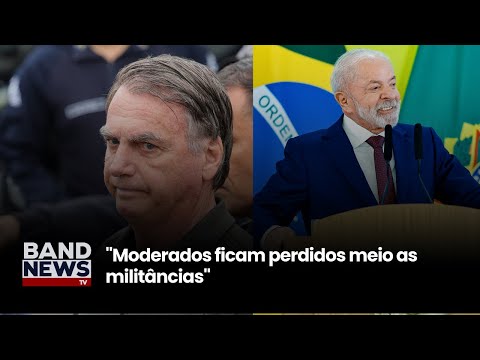
"Moderados ficam perdidos meio as militâncias" | BandNewsTV
Summary
Brazil's political landscape is characterized by significant polarization, with moderates often mischaracterized as extremists. Research indicates that a substantial portion of the population prefers moderate views, highlighting a disconnect in political discourse. The rise of extreme positions complicates the electoral process, as moderates struggle to find representation.
Emerging presidential candidates are attempting to disrupt this polarization and reshape electoral strategies. However, the entrenched nature of ideological divides poses challenges to these efforts. The influence of ideology on political engagement remains significant, complicating perceptions of moderates and their role in elections.
Global trends in political polarization are increasingly impacting Brazil, fostering emotional divides that complicate local elections. The historical context of political movements, such as Brexit and the election of Donald Trump, illustrates the interconnectedness of these phenomena. Moderates are seen as essential for promoting dialogue and tolerance in a highly charged political environment.
The role of the justice system in exacerbating polarization introduces additional complexity to the analysis of voter behavior and candidate viability. As moderates seek to engage in political discourse, they face the challenge of overcoming entrenched identities and emotional investments in opposing beliefs. The expectation that moderates will gain influence may be overly optimistic given historical patterns.
Perspectives
Analysis of political polarization and the role of moderates in Brazil.
Moderates and Emerging Candidates
- Argues that moderates are mischaracterized as extremists
- Highlights the disconnect in political discourse regarding moderate views
- Proposes that emerging candidates can disrupt political polarization
- Claims that moderates play a crucial role in promoting dialogue and tolerance
- Emphasizes the need for rational political discussions to break tribal polarization
Polarization and Ideological Divides
- Warns that entrenched ideological divides complicate the emergence of moderate candidates
- Claims that the justice system exacerbates political polarization
- Rejects the notion that moderates can easily bridge the divide without willingness from polarized groups
- Questions the effectiveness of moderation in the face of emotional investments in political beliefs
- Denies that the current political climate allows for easy acceptance of moderate positions
Neutral / Shared
- Notes that a significant portion of the population prefers moderate views
- Observes that political polarization is influenced by global trends
- Mentions the historical context of political movements affecting current dynamics
Key entities
Timeline highlights
00:00–05:00
Brazil's political landscape is marked by significant polarization, with moderates often mischaracterized as extremists. Research indicates that 50-60% of Brazilians prefer moderate views, highlighting a disconnect in political discourse.
- In Brazils political polarization, moderates face accusations of being communists or fascists, reflecting a misunderstanding of political terms
- Research shows 50-60% of Brazilians do not engage in extreme political militancy, indicating a demand for moderate perspectives
- The book Neither Communist nor Fascist clarifies the misuse of political labels that hinder constructive dialogue for moderates
- Moderates are marginalized in discussions dominated by extreme views, complicating balanced political opinions
- Decisive influence in upcoming elections may come from groups like former Americans and entrepreneurs, especially post-pandemic
- Current presidential candidates struggle to appeal to moderates, as the landscape favors extreme positions, risking exclusion of alternative voices
05:00–10:00
Emerging presidential candidates are attempting to disrupt political polarization and reshape electoral strategies. The influence of ideology on political engagement remains significant, complicating perceptions of moderates.
- Emerging presidential candidates aim to disrupt polarization, potentially reshaping electoral strategies and voter engagement
- Upcoming announcements may challenge current political logic, fostering alternatives to rejection-based voting
- Voting against the less worst candidate persists, underscoring the need for viable political projects
- Ideology significantly influences political engagement, affecting personal interests and public perception
- The justice system exacerbates political polarization, complicating the perception of moderates as neutral
- Moderates analyze facts and adopt rational positions, countering the belief that they lack political commitment
10:00–15:00
Political polarization in Brazil is increasingly influenced by global trends, complicating local elections and fostering emotional divides. Moderates play a crucial role in promoting dialogue and tolerance, essential for addressing the challenges of political discourse.
- Political polarization in Brazil mirrors global trends, complicating local elections and fostering emotional divides
- Moderates are essential for breaking tribal polarization, promoting dialogue and tolerance in political discourse
- The book provides tools for adopting a moderated stance, addressing a universal challenge in politics