Politics / Brazil
Brazil politics page with daily media monitoring across G1, UOL and Band Jornalismo, structured summaries of domestic political developments and a country-level press overview.
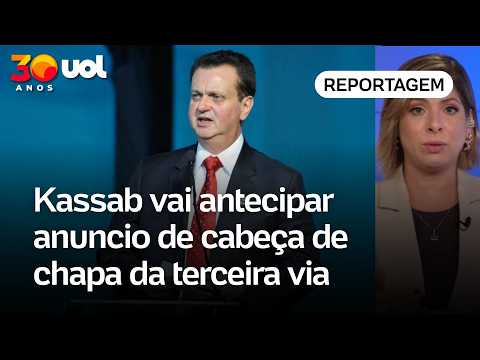
Kassab vai antecipar o anúncio de quem será o cabeça de chapa da terceira via | Daniela Lima
Summary
Recent research indicates significant shifts in voter preferences, particularly with Flávio's support increasing from 18% to 32%. The political landscape is becoming polarized, primarily between Lula and Flávio, which may influence voter turnout. The dynamics of voter alignment are complex, influenced by factors such as candidate visibility and voter behavior.
Cassab is preparing to announce the head of the third-party candidacy, a move that could reshape the political landscape. Current research shows volatility in voter preferences, with Zema projected to receive between 4 and 6 percent support. The consolidation of third-party candidates may not effectively challenge established figures like Flávio due to potential voter apathy.
Perspectives
Analysis of voter preferences and political dynamics for the upcoming elections.
Proponents of Flávio's Candidacy
- Highlights Flávios support increase from 18% to 32%
- Argues that voter relocation is occurring towards Flávio as he is identified as Bolsonaros candidate
- Claims that the polarization between Lula and Flávio is solidifying voter preferences
Critics of Third-Party Candidates
- Questions the effectiveness of consolidating third-party candidates against established figures
- Denies that Zema will be a vote champion in the upcoming elections
Neutral / Shared
- Notes that research indicates significant volatility in voter preferences
- Mentions that the political landscape is influenced by candidate visibility and voter behavior
Metrics
support
41%
Maximum support in December
This figure represents the peak of voter intention for Flávio.
the biggest stimulated vote intention in December, reached the maximum 41%
support
38%
Flávio's support in March
This indicates a slight decline from the peak, suggesting volatility.
the flower reached the maximum of 41% to 38%
support
14 points
Growth in Flávio's support
This growth is significant in the context of the election.
Flávio, it had 18, it was for 32, a growth of 14 points
support
6%
Zema's initial support
This figure provides context for the competition among candidates.
it was about 6 to 4
Key entities
Timeline highlights
00:00–05:00
Research indicates significant shifts in voter preferences, with Flávio's support increasing from 18% to 32%. The election landscape is becoming polarized, primarily between Lula and Flávio, which may influence voter turnout.
- Toledo emphasizes stimulated research reveals clearer voting intentions. This method shows significant shifts in voter preferences
- Flávios support surged from 18% to 32%, indicating a shift in voter alignment. This growth could impact the election outcome
- Rattinho Jr. dropped from 12% to 7%, suggesting vote consolidation towards Flávio
- Voters unaware of Flávio as the PSD candidate shifted support upon learning. This highlights the importance of candidate visibility
- Polarization between Lula and Flávio is intensifying, solidifying their positions as key contenders. The election is likely a contest between these two figures
- High rejection rates for certain candidates may affect voter turnout. Understanding these dynamics is essential for predicting election results
05:00–10:00
Cassab is set to announce the head of the third-party candidacy, which is crucial for the political landscape. Current research indicates significant volatility in voter preferences, with Zema projected to receive between 4 and 6 percent support.
- Cassab will soon announce the head of the third-party candidacy, crucial for shaping the political landscape
- Rattinho Junior and Eduardo Leite struggle to gain traction, limiting their impact on the third-party strategy
- Cassabs consolidation strategy aims to minimize vote splitting and enhance the chosen candidates chances against Flávio
- Zemas projected support is between 4 and 6 percent, indicating he may not be a strong contender
- Voter apathy towards the election process could negatively affect turnout and results
- Current research shows significant volatility in voter preferences, differing from earlier projections