Politics / Belgium
Shipping in the Strait of Hormuz
Geopolitical tensions in the Strait of Hormuz have significantly impacted shipping operations. Crew members often face extended periods at sea, with some reporting over 40 days without proper supplies. These conditions are exacerbated by rising operational costs and safety concerns.
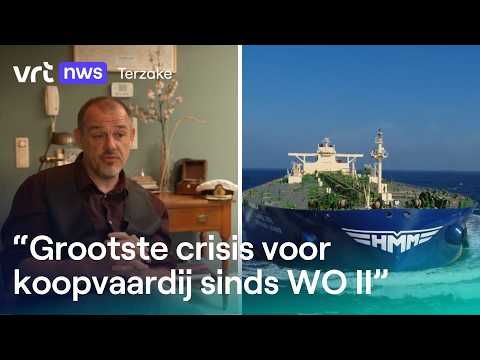
Source material: 47 keer door de Straat van Hormuz
Summary
Geopolitical tensions in the Strait of Hormuz have significantly impacted shipping operations. Crew members often face extended periods at sea, with some reporting over 40 days without proper supplies. These conditions are exacerbated by rising operational costs and safety concerns.
Shipping companies are experiencing increased financial burdens, with daily expenses for tankers soaring to as much as $450,000. The need for security premiums has also escalated, reflecting the heightened risks associated with navigating this critical maritime route.
Despite the dangers, the Strait of Hormuz remains a vital passage for oil tankers, with significant volumes of oil being transported globally. The average load for super tankers can reach up to 2 million barrels, underscoring the strategic importance of this area.
Crew members, including captains and chefs, endure challenging living conditions while on board. The psychological toll of operating in such a high-risk environment is evident, as crew members express concerns about their safety and the potential for conflict.
Perspectives
short
Shipping Companies
- Highlight rising operational costs due to geopolitical tensions
- Emphasize the psychological strain on crew members during extended voyages
- Point out the necessity of security premiums amid increased risks
Iranian Authorities
- Claim that the Strait of Hormuz remains open for shipping
- Assert that security measures are in place to protect vessels
Neutral / Shared
- Acknowledge the strategic importance of the Strait of Hormuz for global oil transport
- Recognize the average load capacity of super tankers operating in the region
Metrics
toll
one dollar per fat street of Rue Oli USD
toll imposed by Iran on vessels
This toll adds financial strain to already burdened shipping companies.
Iran would pay a toll. One dollar per fat street of Rue Oli.
cost
270,000 dollars per day USD
daily costs for a tanker before the increase
This reflects the escalating financial pressures on shipping operations.
we'll pay 50,000 to 60,000 dollars per day. Now we'll talk about about 270,000 dollars per day for a tanker.
cost
10 million dollars for the security premiums USD
hypothetical security premiums for a tanker
High security costs further complicate the financial landscape for shipping companies.
you'll pay 10 million dollars for the security premiums.
Key entities
Timeline highlights
00:00–05:00
Geopolitical tensions in the Strait of Hormuz have led to increased operational costs and risks for shipping companies. Crew members face severe conditions, with some stranded for over 40 days amid rising financial burdens and safety concerns.
- Geopolitical tensions, especially between the United States and Iran, have complicated navigation in the Strait of Hormuz, prompting European shipping companies to exercise increased caution regarding vessel safety
- Bart Gonnissen has completed 47 voyages through the Strait of Hormuz, primarily transporting oil, illustrating the significant risks and logistical hurdles faced by crews in this unstable area
- Operating in the Strait incurs substantial financial burdens, with tanker operators now facing daily costs that can soar to $450,000, which severely affects their profitability
- Despite a ceasefire, concerns persist as Iran has reportedly imposed tolls on vessels, adding financial strain to shipping companies already dealing with rising operational expenses
- Crew members are enduring harsh conditions, with some stranded on ships for over 40 days without sufficient supplies, raising serious humanitarian issues amid a crisis likened to the largest since World War II
- The threat of naval mines in the Strait creates a psychological barrier for shipping operations, discouraging vessels from transiting without military escort and highlighting the dangers of navigating conflict zones