Politics / Australia
Racism in Asia
An online feud has erupted between Southeast Asians and South Koreans following a K-pop concert incident in Malaysia. The conflict began when a Korean fan site violated concert regulations by bringing camera equipment, leading to discontent among Malaysian fans. This situation escalated on social media, drawing in South Korean fans who defended their actions.
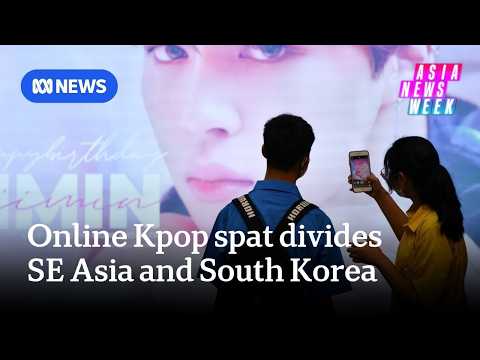
Source material: Online beef over a K-pop incident highlights Asia's racism problem | Asia News Week | ABC NEWS
Summary
An online feud has erupted between Southeast Asians and South Koreans following a K-pop concert incident in Malaysia. The conflict began when a Korean fan site violated concert regulations by bringing camera equipment, leading to discontent among Malaysian fans. This situation escalated on social media, drawing in South Korean fans who defended their actions.
Racist remarks were exchanged, prompting users from Indonesia, Thailand, and the Philippines to join the conversation in defense of their Malaysian counterparts. The hashtag #SEAbling emerged as a rallying point for Southeast Asian fans, who created memes and videos to counteract the discrimination they faced.
Concerns have been raised about the potential long-term impact of this feud on South Korea's economy and the K-pop industry. Calls for boycotts of K-pop products and concerts have surfaced, indicating a significant backlash that could affect cultural exchanges.
Academics express worry over the implications for interest in Korean culture and language studies. The incident may also signal a shift in K-pop fandom dynamics, with some fans considering alternatives from Southeast Asia.
Perspectives
short
Southeast Asian Fans
- Defend against racist remarks from South Korean fans
- Rally under the #SEAbling hashtag to promote solidarity
- Create memes and videos to counter discrimination
South Korean Fans
- Defend their actions at the K-pop concert
- Engage in racist exchanges with Southeast Asian users
- Contribute to the escalation of the online feud
Neutral / Shared
- Highlight the violation of concert regulations by a Korean fan site
- Mention the potential economic impact on South Koreas K-pop industry
- Note the shift in interest towards Southeast Asian pop culture
Metrics
other
shift in the K-pop fandom itself
changing interests among fans
A shift in fandom could lead to decreased support for K-pop.
there's also been a shift in the K-pop fandom itself.
Key entities
Timeline highlights
00:00–05:00
An online feud has emerged between Southeast Asians and South Koreans following a K-pop concert incident in Malaysia, highlighting issues of racism. The hashtag #SEAbling has gained traction as fans from Southeast Asia rally against discrimination and express solidarity.
- An online feud erupted between Southeast Asians and South Koreans after a K-pop concert incident in Malaysia. The conflict centers around the #SEAbling hashtag that has gained traction on social media
- The controversy began at a Day6 concert in Malaysia, where a fan site violated concert regulations by bringing camera equipment. Malaysian K-pop fans expressed their dissatisfaction on X, prompting a wider discussion
- South Korean internet users responded with racist remarks towards Malaysian fans, escalating tensions. This prompted users from Indonesia, Thailand, and the Philippines to defend their Malaysian neighbors
- The hashtag #SEAbling emerged as Southeast Asian fans rallied against discrimination and racism. Memes and videos circulated, showcasing solidarity among these countries in the face of online hostility
- Concerns have been raised about the potential long-term impact of this feud on South Koreas economy and tourism. There have been threats of boycotts against K-pop products and events
- Academics worry that the incident may affect interest in studying Korean culture and language. Some fans are considering exploring other Southeast Asian pop culture, indicating a shift in K-pop fandom dynamics