Politics / Argentina
Argentina politics page with daily media monitoring across Clarincom, Lanacion and Pagina12, structured summaries of domestic political developments and a country-level press overview.
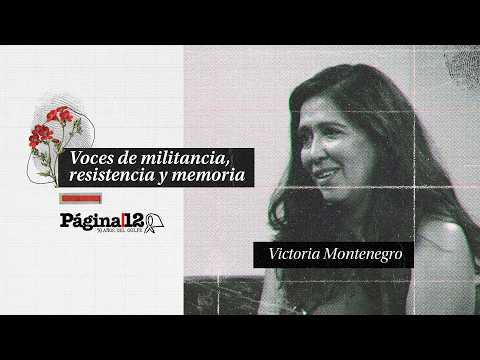
✊🏻 Victoria Montenegro | "Voces de militancia, resistencia y memoria" el Podcast de Página|12
Summary
Victoria Montenegro shares her experiences growing up in a family deeply affected by Argentina's military dictatorship. She reflects on the complexities of her identity shaped by her father's military role and the trauma of state violence. Her narrative emphasizes the importance of confronting historical injustices and the ongoing repercussions of state terrorism in Argentina.
Montenegro recounts her childhood memories, highlighting the contradictions of admiration for her father's military service while grappling with the realities of violence and repression. She discusses the emotional turmoil of reconciling her family's legacy with the broader societal implications of their actions during the dictatorship.
The narrative reveals the impact of familial relationships on Montenegro's self-perception and identity. She describes her struggles with feelings of shame and pride, illustrating the lasting effects of her upbringing in a militarized environment. Her journey underscores the necessity of addressing personal and collective trauma for healing.
Montenegro's experiences reflect the challenges of navigating her identity as the daughter of a military figure involved in state violence. She emphasizes the need for justice and accountability, recognizing that personal reconciliation is intertwined with societal healing. Her story serves as a reminder of the importance of memory and truth in the pursuit of justice.
Perspectives
This transcript provides a personal account of trauma and resilience, highlighting the complexities of identity in the context of Argentina's historical narrative.
Victoria Montenegro's Perspective
- Highlights the trauma of growing up in a military family
- Emphasizes the importance of confronting historical injustices
- Describes the emotional complexities of her identity
- Advocates for justice and accountability for past crimes
- Stresses the need for collective memory in healing
- Reflects on the contradictions of familial loyalty and state violence
Neutral / Shared
- Acknowledges the lasting impact of state terrorism on individual lives
- Recognizes the complexities of familial relationships in the context of historical trauma
Metrics
birth_date
28th of May, 1976 date
date of birth of Maria Sol
This date marks the beginning of her life amidst a military regime.
Maria Sol was born on the 28th of May, 1976.
other
350,000 pesos ARS
cost of essential school supplies
This highlights the financial burden on families during educational transitions.
I needed it, I don't know. 350,000 pesos for the UTI
other
20,000 pesos ARS
cost of additional supplies
This emphasizes the ongoing financial challenges faced by the speaker's family.
I was like, 20,000 pesos.
year
1993 year
the year Victoria became pregnant
This marks a pivotal moment in her life, intertwining her personal and familial challenges.
in the 93st, you're going to take that blood
other
Four years to have the document. years
time taken to obtain legal documents
This highlights the bureaucratic obstacles faced by individuals seeking justice.
Four years to have the document.
Key entities
Timeline highlights
00:00–05:00
Victoria Montenegro discusses her family's experiences with political repression and the impact of the dictatorship on their lives. She emphasizes the importance of confronting historical injustices and the ongoing repercussions of state terrorism in Argentina.
- Victoria Montenegro shares her familys experiences with political repression, highlighting the lasting impact of the dictatorship on their lives and collective trauma
- She reflects on her childhood in a military setting, revealing how these early experiences shaped her understanding of violence and oppression
- Montenegro recounts the forced disappearance of her parents and relatives, emphasizing the widespread human rights violations during that era
- The interview explores her struggle to reconcile childhood memories with the harsh realities of her familys past, illustrating the need to confront historical injustices
- Her narrative underscores the ongoing repercussions of state terrorism in Argentina, stressing the importance of memory preservation and human rights advocacy
- The generational trauma affecting families like hers, which is crucial for healing and building a more just society
05:00–10:00
Victoria Montenegro recounts her family's experiences with political repression and the impact of the dictatorship on their lives. Her narrative highlights the significance of family ties and the ongoing fight for truth and justice in Argentina.
- Victoria Montenegro discusses her familys political activism and the profound effects of state terrorism on their lives, which is essential for understanding her personal journey and Argentinas historical context
- She shares the circumstances of her birth during a period of severe political repression, highlighting the dangers her family faced and foreshadowing her struggles with identity
- Montenegros aunt was instrumental in the search for her after her family went into hiding, illustrating the significance of family ties and the efforts made to reunite lost relatives
- She describes the difficulties of growing up under a military regime, emphasizing the trauma stemming from her familys experiences and the lasting impact of dictatorship on personal and collective memory
- Montenegros narrative reveals the complexities of her identity as María Sol, reflecting the broader theme of reclaiming ones identity amidst historical trauma
- Her story serves as a reminder of the ongoing fight for truth and justice in Argentina, particularly regarding the military dictatorships legacy, which is crucial for healing and remembrance
10:00–15:00
Victoria Montenegro's childhood was deeply influenced by her father's military role, shaping her aspiration to serve in the military. Her experiences reflect a complex interplay of innocence and militarization, highlighting the lasting impact of her upbringing.
- Victoria Montenegros childhood was heavily influenced by her fathers military role, fostering her aspiration to become a soldier and shaping her identity from an early age
- Born on Argentine Army Day, Montenegros connection to military culture reinforced her lifelong dream of military service, reflecting the profound impact of her upbringing
- She recalls training sessions with her father, viewing them as essential preparation for her future, blending play with a sense of duty and patriotism
- Montenegros early life was marked by a mix of innocence and militarization, as she played in military-associated environments, highlighting the complexities of her upbringing
- Her admiration for her father, a significant figure in her life, complicated her understanding of her familys history and the implications of their actions during Argentinas turbulent past
- She reflects on the emotional significance of her memories, particularly the pride and belonging tied to her fathers military status, which continues to shape her views on identity and memory
15:00–20:00
Victoria Montenegro reflects on her childhood at a military base, shaped by her father's military role and her mother's strict expectations. This environment fostered a complex relationship with fear and competition, impacting her self-esteem and identity.
- Victoria recalls her childhood experiences at a military base, where she was raised with a strong admiration for her father, a military officer. This upbringing shaped her identity and aspirations, as she dreamed of becoming a soldier herself
- She describes the strict and competitive environment created by her mother, which often led to feelings of inadequacy and fear of failure. This pressure resulted in a violent atmosphere that deeply affected her childhood
- Victoria highlights the emotional turmoil of her relationship with her mother, who imposed high expectations and harsh discipline. The constant competition for perfection left her feeling overwhelmed and distressed
- She reflects on the impact of her upbringing on her self-esteem and academic performance, noting that even minor setbacks were met with severe consequences. This created a cycle of anxiety and fear surrounding her achievements
- Victorias narrative illustrates the complexities of growing up in a militarized environment, where familial love was intertwined with fear and violence. This duality has lasting implications for her understanding of identity and belonging
- The discussion emphasizes the importance of acknowledging the psychological effects of such a childhood, particularly in the context of Argentinas history of state terrorism. Understanding these experiences is crucial for addressing the ongoing consequences of past traumas
20:00–25:00
Victoria Montenegro reflects on her childhood shaped by a military figure, revealing the complexities of her identity and familial relationships. She recounts traumatic experiences, including physical abuse and emotional distress, highlighting the intersection of personal and political trauma in Argentina's historical context.
- Victoria Montenegro reflects on her childhood shaped by a military figure, highlighting the complexities of her identity and the influence of familial relationships on her development
- She recounts a traumatic school incident involving physical abuse, revealing the harsh realities of her upbringing and the lack of support for children facing domestic violence
- Montenegro describes a pivotal moment of realization about her isolation, emphasizing the broader theme of survival in an oppressive environment
- She contrasts her experiences with those of her peers, noting her mothers competitive atmosphere that fostered feelings of inadequacy and contributed to emotional distress
- Montenegros narrative connects her personal struggles to the return of democracy in Argentina, illustrating the intersection of personal and political trauma during a significant historical period
- The emotional scars from her childhood continue to affect her, underscoring the long-lasting impact of trauma on her journey toward healing and identity restoration
25:00–30:00
Victoria reflects on her childhood, marked by emotional turmoil and a complex relationship with her caregiver. Her experiences of fear, confusion, and longing for acceptance illustrate the lasting impact of trauma on her identity.
- Victoria reflects on her childhood, marked by a complex relationship with her caregiver, Rina, who often expressed deep emotions. This emotional turmoil highlights the impact of her upbringing on her identity and sense of belonging
- She recalls moments of fear and confusion, particularly when she felt isolated and misunderstood. These experiences contribute to her ongoing struggle with feelings of abandonment and loneliness
- Victoria describes a vivid memory of being restricted and controlled, which shaped her understanding of freedom and autonomy. This sense of confinement underscores the broader themes of oppression and resilience in her life
- The narrative reveals her longing for acceptance and normalcy, as she reminisces about unfulfilled childhood dreams, such as wearing a special dress. This longing illustrates the emotional scars left by her past and the desire for a different reality
- She emphasizes the role of her sister, Fernanda, in bringing color and joy to her life amidst the darkness. This relationship serves as a crucial support system, highlighting the importance of familial bonds in overcoming trauma
- Victorias reflections on her childhood experiences serve as a poignant reminder of the lasting effects of trauma and the journey toward healing. Her story emphasizes the need for understanding and compassion in addressing the legacies of violence and oppression