Politics / Argentina
Argentina politics page with daily media monitoring across Clarincom, Lanacion and Pagina12, structured summaries of domestic political developments and a country-level press overview.
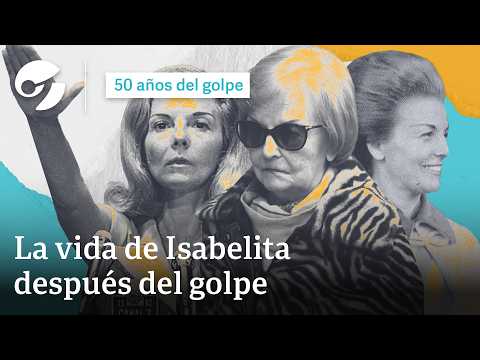
Habla Isabel Perón: del golpe de 1976 a su exilio en Madrid ¿cómo fue la vida de la expresidenta?
Summary
Isabel Perón, the first female president of Argentina, became the first illegal detainee of the military dictatorship that began on March 24, 1976. Her presidency followed the death of her husband, Juan Domingo Perón, and was marked by political violence and the rise of state terrorism. After being deposed, she was held under military custody for five years before being exiled to Madrid.
During her time in power, Isabel Perón attempted to manage the political landscape dominated by Peronism, but her government faced significant challenges from leftist groups and state repression. The military's decision to detain her was strategic, as her presence was seen as a means to legitimize their coup against her administration.
In exile, Isabel Perón lived a quiet life in Madrid, receiving assistance and dealing with legal issues related to her past. Despite her significant role in Argentine history, she has largely remained silent about her experiences and the events of her presidency, raising questions about her legacy.
At 95 years old, Isabel has expressed a desire to be buried in Spain, reflecting her complicated relationship with Argentina. The ongoing discourse surrounding her presidency highlights the need for her voice in understanding the political dynamics of the 1970s in Argentina.
Perspectives
short
Supporters of Isabel Perón
- Highlight her role as the first female president of Argentina
- Argue that her detention was a strategic move by the military to undermine Peronism
- Emphasize her attempts to navigate a politically violent landscape
- Point out her contributions to the political dialogue during her presidency
- Claim her silence reflects a complex relationship with her past and Argentina
Critics of Isabel Perón
- Accuse her of failing to control political violence during her presidency
- Question her effectiveness in managing the Peronist movement
- Argue that her silence has contributed to a skewed understanding of her legacy
- Highlight the lack of her voice in the historical narrative surrounding her presidency
- Critique her decision to live in exile rather than return to Argentina
Neutral / Shared
- Discuss her preference for burial in Spain as indicative of her relationship with Argentina
- Mention the ongoing debate about her presidency and its implications for Argentine history
Key entities
Timeline highlights
00:00–05:00
Isabel Perón, Argentina's first female president, was arrested following the military coup on March 24, 1976, to undermine the Peronist movement. After five years of detention and exile in Madrid, she now lives a quiet life at 95, receiving assistance and dealing with legal matters related to her past government.
- Isabel Perón, Argentinas first female president, was arrested shortly after the military coup on March 24, 1976, to undermine the Peronist movement and create an illusion of legal authority for the regime
- Her presidency began after the death of Juan Domingo Perón, during a time of escalating political violence and the rise of state terrorism, which included leftist radicalization and paramilitary groups
- After being ousted, Isabel was detained in Argentina for five years under claims of institutional responsibility, with her assets confiscated, as the military sought to control the narrative of the coup
- In 1981, she was permitted to leave Argentina and chose exile in Madrid, leading to her prolonged silence in public discourse
- At 95, Isabel lives a quiet life in a modest Madrid neighborhood, receiving assistance from caregivers and relying on two pensions that provide approximately 3,000 euros monthly
- She is currently involved in legal matters in Argentina concerning her governments ties to the Triple A, a paramilitary group linked to political violence, but extradition requests have been denied due to her age
05:00–10:00
Isabel Perón has expressed a preference to be buried in Spain, indicating her complex relationship with Argentina. The ongoing debate about her presidency and its implications highlights the significance of her voice in understanding Argentina's political history.
- Isabel Perón prefers to be buried in Spain, reflecting her complicated ties to Argentina and unresolved issues from her presidency
- The debate over Argentinas political climate in the 1970s remains open, with many believing Isabels insights are essential for understanding that period
- Her silence on her experiences adds to doubts about her legacy and the implications of her actions during her presidency
- The lack of Isabels voice in historical discussions complicates the reconciliation of personal narratives with the broader context of political violence in Argentina
- As she nears the end of her life, Isabels choices regarding burial and public engagement highlight her desire to control her legacy
- Isabel Peróns life in exile, characterized by silence, continues to spark curiosity and debate about the complexities of political power and personal identity