Politics / Argentina
U.S.-Iran Conflict: Objectives and Strategic Outcomes
Donald Trump and Benjamin Netanyahu initially aimed for regime change in Iran, but evolving objectives led to negotiations over military control. This shift indicates a potential strategic defeat for the U.S. in the region.
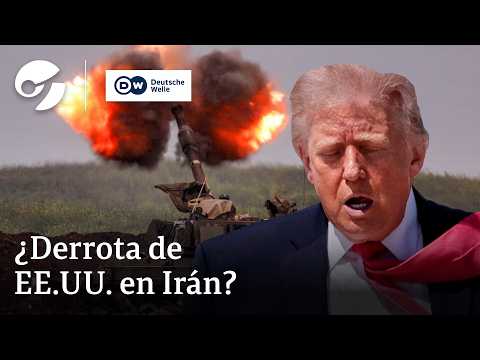
Source material: U.S. and Iran: what objectives were met and which were not in the conflict
Summary
Donald Trump and Benjamin Netanyahu initially aimed for regime change in Iran, but evolving objectives led to negotiations over military control. This shift indicates a potential strategic defeat for the U.S. in the region.
Historical parallels, such as the Vietnam War, illustrate that tactical victories do not guarantee strategic success. The U.S. military's inability to achieve its political goals in Iran reflects a broader trend of strategic defeats in asymmetrical warfare.
Despite military actions that targeted key Iranian figures, the U.S. and Israel have not dismantled Iran's nuclear program or its regional alliances. Iran's missile and drone capabilities remain largely intact, challenging claims of U.S. success.
Control of the Strait of Hormuz has emerged as a critical issue, with Iran threatening maritime trade. This situation has prompted the U.S. to reassess its negotiation strategies, shifting the focus from regime change to control over vital trade routes.
Perspectives
short
U.S. and Israel's Objectives
- Aim to achieve regime change in Iran and dismantle its nuclear program
- Seek to control the Strait of Hormuz to secure maritime trade
Iran's Resilience
- Maintain missile and drone capabilities despite U.S. military actions
- Continue to support regional allies and threaten U.S. interests in the Middle East
Neutral / Shared
- Historical parallels highlight the complexity of achieving strategic goals in asymmetrical warfare
Metrics
other
450-500-kilo of uranium kilo
Iran's uranium enrichment levels
This indicates Iran's ongoing nuclear ambitions despite U.S. efforts
the regime has not achieved either to reach the 450-500-kilo of uranium
other
20-day military base days
U.S. military presence around Iran
This highlights the sustained U.S. military commitment in the region
Washington has more than a 20-day military base around Iran
other
30-day United Nations agency
reference to U.S. contributions to international institutions
This highlights the U.S. withdrawal from its role in global governance
the United States has already paid for international money, has been a 30-day United Nations agency
Key entities
Timeline highlights
00:00–05:00
The U.S. aimed for regime change in Iran but faced evolving objectives that led to negotiations over military control.
- Initially, Donald Trump and Benjamin Netanyahu aimed to overthrow the Islamic Republic of Iran and achieve regime change
- As the conflict progressed, U.S. objectives evolved, culminating in negotiations with Tehran over the Strait of Hormuz, which indicates a potential strategic defeat for the U.S
- The situation is compared to historical U.S. military conflicts, such as the Vietnam War, where tactical victories did not lead to strategic success
- The notion of strategic defeat is emphasized, illustrating that military superiority does not guarantee political success, as evidenced by the outcomes in Vietnam and Afghanistan
- The ongoing asymmetrical warfare against Iran is perceived as a trap for the U.S, challenging its role as a security provider for Gulf allies
05:00–10:00
The U.S. and Israel aimed to dismantle Iran's nuclear program and regional alliances but have not achieved their strategic goals.
- Donald Trump and Benjamin Netanyahu aimed to end Irans nuclear program, dismantle its ballistic capabilities, and neutralize its regional alliances, known as the Axis of Resistance
- Despite military actions that eliminated key Iranian figures, the U.S. and Israel have not achieved their strategic goals, as Iran continues its nuclear enrichment and supports its regional allies
- Irans missile and drone capabilities remain largely intact, challenging claims of significant U.S. success in degrading these forces
- Control of the Strait of Hormuz has become a critical issue, with Iran threatening maritime trade, prompting the U.S. to reassess its negotiation strategies
- The conflict has shifted from an initial focus on regime change to a struggle for control over vital trade routes, indicating a potential strategic defeat for the U.S. in the region
10:00–15:00
The U.S. military strategy under Trump has revealed significant weaknesses and raised doubts about American influence in the Middle East.
- The evolving objectives of the U.S. military strategy under Trump reveal significant weaknesses and cast doubt on American influence in the Middle East
- Dissent is growing within the Make America Great Again movement, with criticism directed at military support for Netanyahu, who is seen as responsible for drawing the U.S. into conflict with Iran
- The conflict has intensified divisions within NATO and diminished trust among U.S. allies in Europe, raising concerns about the erosion of the post-World War II international order
- The U.S. is viewed as experiencing a decline, withdrawing from international institutions and losing its soft power, which affects its relationships in the Middle East and globally
- Trumps attempts to portray the conclusion of the war as a victory are perceived as politically motivated, particularly with the midterm elections approaching in November