Geopolitic / Europe
Monitor Europe geopolitics, strategic pressure, security shifts and regional risk signals through curated geopolitical summaries.
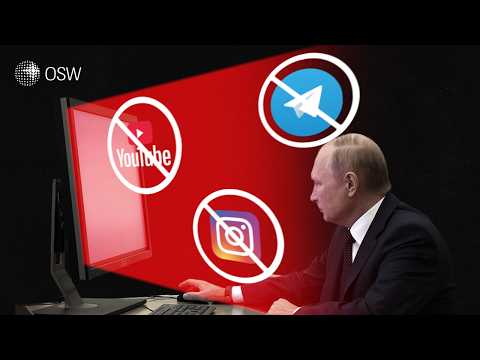
Cyfrowy Ruskij Mir: Jak Kreml buduje własny świat?
Summary
The Russian government is enhancing its internet control by implementing a censorship system similar to China's, which threatens digital freedom. This includes blocking platforms like YouTube and WhatsApp and introducing a state-controlled messaging app, Max, to replace Western services.
The Kremlin is intensifying its efforts to isolate the Russian population from independent media, with only 6% to 9% of the population regularly engaging with such sources. This strategy aims to control public perception and maintain the regime's power, particularly during crises that drive interest in alternative information.
The Kremlin is implementing stringent measures to control digital communication, mandating registration on state-approved platforms to de-anonymize users. This strategy aims to suppress dissent by labeling anti-regime sentiments as extremist and promoting a domestic messaging app, Max, despite low user engagement due to surveillance concerns.
New regulations in Russia will require the use of the Max Messenger for accessing public digital services, limiting citizens' choices. The Kremlin's internet restrictions are intensifying, with VPN services becoming less effective and major tech companies facing pressure to comply with censorship.
Perspectives
Analysis of Russian internet control and censorship strategies.
Pro-Kremlin
- Claims that controlling information will solidify power
- Argues that isolation from the global internet is necessary for security
- Highlights the need for a sovereign digital ecosystem
Anti-Kremlin
- Questions the effectiveness of state-controlled platforms like Max
- Denies that suppression of dissent will maintain stability
Neutral / Shared
- Notes the economic impact of internet restrictions on Russia
- Observes the role of military bloggers in shaping public perception
Metrics
censorship
blocked access to YouTube and WhatsApp
platforms blocked by the Russian government
This action signifies a major escalation in state control over digital communication.
In February of 2026, Russia blocked the access to YouTube and WhatsApp.
user_engagement
only a few Russian percent actually actively using Mr. Messenger %
active users of the Max messaging app
Low engagement indicates skepticism towards state surveillance.
only a few Russian percent actually actively using Mr. Messenger
user_installation
55 million Russians have already installed Mr. Messenger users
total installations of the Max app
High installation numbers do not equate to active usage, revealing a gap in user trust.
official data 55 million Russians have already installed Mr. Messenger
VPNs
about 100 VPNs units
number of VPNs blocked by Apple in Russia
This indicates significant censorship efforts impacting access to information.
Apple has already blocked Russia's store about 100 VPNs.
Key entities
Timeline highlights
00:00–05:00
The Russian government is enhancing its internet control by implementing a censorship system similar to China's, which threatens digital freedom. This includes blocking platforms like YouTube and WhatsApp and introducing a state-controlled messaging app, Max, to replace Western services.
- The Russian government is intensifying its internet control, aiming to implement a censorship system akin to Chinas, which threatens digital freedom in the country
- In February 2026, Russia blocked YouTube and WhatsApp, a move predicted by officials, marking a significant escalation in the Kremlins digital dominance efforts
- The state-controlled messaging app Max is being introduced to replace Western platforms, with plans for it to be pre-installed on all smartphones in Russia, compromising user privacy
- The Kremlin seeks to create a totalitarian-like digital ecosystem to align society with its objectives, fostering distrust of external information and reinforcing state narratives
- Internet control is seen by the Kremlin as vital in its conflict with the West, treating the information space as a battleground for shaping perceptions and emotions
- Russian authorities are isolating citizens from the global internet to safeguard national security and facilitate mass indoctrination, which is deemed essential for preserving Russian identity
05:00–10:00
The Kremlin is intensifying its efforts to isolate the Russian population from independent media, with only 6% to 9% of the population regularly engaging with such sources. This strategy aims to control public perception and maintain the regime's power, particularly during crises that drive interest in alternative information.
- The Kremlin aims to isolate the Russian population from independent media, limiting access to reliable information. This strategy is designed to control public perception and maintain the regimes power
- Current estimates suggest that only 6% to 9% of the Russian population regularly engages with independent media. Despite this small percentage, these individuals are more informed and motivated, indicating a significant awareness of the regimes actions
- In times of crisis, such as during partial mobilization, there is a noticeable increase in the publics interest in independent media. This suggests that critical events can drive more people to seek out alternative sources of information
- The Russian government is tightening its grip on entertainment content, recognizing its potential as a channel for propaganda. The recent Instagram ban highlighted the regimes efforts to control even the recreational aspects of digital life
- A new requirement mandates that all bloggers and influencers with over 10,000 followers register with a federal media oversight agency. This move is part of a broader strategy to create a censorship model similar to that of China, which monitors and regulates online behavior
- Russia leads the world in the number of requests to censor content on platforms like Google, accounting for 60% of global censorship requests. This reflects the regimes aggressive approach to controlling information and suppressing dissent
10:00–15:00
The Kremlin is implementing stringent measures to control digital communication, mandating registration on state-approved platforms to de-anonymize users. This strategy aims to suppress dissent by labeling anti-regime sentiments as extremist and promoting a domestic messaging app, Max, despite low user engagement due to surveillance concerns.
- The Kremlin is intensifying its efforts to control digital communication by mandating that users register on state-approved platforms. This move aims to de-anonymize users, leading to self-censorship as individuals become aware that their online activities can be traced back to them
- New laws in Russia impose severe penalties not only for sharing extremist content but also for searching or reading such material online. This represents a significant shift in the legal landscape, as authorities increasingly label anti-war and anti-regime sentiments as extremist
- The government is promoting a domestic messaging app, Max, as a substitute for foreign platforms, integrating various services into one application. This strategy allows the state to monitor communications and influence user behavior more effectively
- Despite official claims of widespread adoption, only a small percentage of users actively engage with Max, as many are wary of its surveillance capabilities. This skepticism among the population highlights the challenges the Kremlin faces in enforcing compliance with its digital ecosystem
- Students and public sector employees are reportedly coerced into using Max, with threats of penalties for non-compliance. This tactic underscores the regimes determination to create a controlled digital environment where dissent is stifled
- The Kremlins ambition to establish a sovereign internet mirrors Chinas censorship model, aiming to isolate Russian users from unmonitored global platforms. This approach not only restricts access to information but also seeks to cultivate a compliant citizenry
15:00–20:00
New regulations in Russia will require the use of the Max Messenger for accessing public digital services, limiting citizens' choices. The Kremlin's internet restrictions are intensifying, with VPN services becoming less effective and major tech companies facing pressure to comply with censorship.
- New regulations in Russia will mandate the use of the Max Messenger for accessing public digital services, potentially forcing citizens to adopt the app despite their reluctance
- The Kremlin is increasingly imposing internet access restrictions in various regions, with some areas experiencing extended outages that limit communication and information flow
- VPN services are becoming less effective as Russia not only blocks these tools but also actively monitors network traffic to identify and restrict their usage
- The government is establishing a white list of approved internet services, which limits access to only those platforms deemed safe by authorities, thereby controlling the narrative
- Major tech companies like Apple and Google are under pressure to comply with Russian censorship, resulting in the removal of numerous VPNs from their platforms, which affects access to uncensored information
- The Kremlins strategy to reshape the internet aims to transform open communication into a controlled surveillance system, raising significant concerns about free expression and information access in Russia
20:00–25:00
The Russian government is facing significant economic losses due to internet blackouts, costing around $12 billion in 2025. Internal conflicts arise as the Kremlin attempts to suppress dissent while risking alienation of the population reliant on open communication.
- The Russian government is increasingly implementing internet blackouts, which are causing significant economic losses. In 2025, these disruptions reportedly cost Russia around $12 billion, highlighting the detrimental impact on its economy
- There is a growing internal conflict within the Russian administration regarding the management of public sentiment and information control. While the Kremlin seeks to suppress dissenting voices, it also risks alienating segments of the population that rely on open communication
- Military bloggers, who support the war but criticize the governments execution, represent a unique source of feedback on the situation in Ukraine. Their insights challenge the Kremlins narrative and reveal issues within the military, making them a target for suppression
- Putins belief that the internet was created by the CIA reflects a deep-seated paranoia about Western influence. This perspective drives the Kremlins efforts to tighten control over digital spaces, potentially leading to further isolation from global communication networks
- The Kremlins attempts to control information are increasingly met with resistance from both domestic and international tech companies. This ongoing struggle indicates that while the regime aims for total control, external pressures may complicate its efforts
- The future of internet freedom in Russia appears bleak, as the government continues to escalate its repressive measures. This trajectory suggests that the Kremlin will further entrench its digital censorship, limiting access to information and stifling dissent