Energy / Asia
Energy sector signals: regulation, infrastructure, markets, and risk. Topic: Asia. Updated briefs and structured summaries from curated sources.
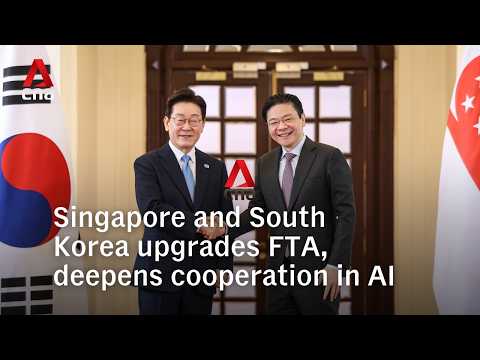
Singapore and South Korea upgrades FTA, deepens AI cooperation

SM Lee Hsien Loong on tensions in Middle East affecting energy prices

Indonesia’s $17.5 Billion Oil Scam: Son Of ‘Gasoline Godfather’ Jailed | GRAVITAS

Kathryn Porter on Sri Lanka's ban — IMF bailout & food riots followed.
Full timeline
0.0–300.0
Sri Lanka's ban on synthetic fertilizers, initially praised by environmentalists, resulted in severe economic repercussions. The country faced a bailout from the IMF and food riots due to its inability to feed the population.
- Sri Lankas ban on synthetic fertilizers was initially celebrated by environmentalists as a significant step forward. However, the ban led to severe economic consequences within a few months
- The country faced a bailout from the International Monetary Fund due to the economic collapse triggered by the fertilizer ban. Food riots erupted as Sri Lanka struggled to feed its population
- After experiencing extensive damage to its economy, Sri Lanka quietly reversed the ban on synthetic fertilizers. This situation illustrates the risks associated with abrupt policy changes without considering their broader impacts
- The idea of simply stopping oil usage is portrayed as naive and overly simplistic. Eliminating oil without a viable alternative could result in substantial harm to society
- While environmental goals are important, they must be balanced with economic realities. A sudden shift away from essential resources can lead to dire consequences for a nation
- A few years ago, Sri Lanka announced a ban on synthetic fertilizers, which was hailed by environmentalists as a groundbreaking development. Yet, within a few months, the country faced severe economic challenges and required a bailout

Frozen Robot? Artificial Sun? Sodium-Ion Batteries? It's TECH IN CHINA!
Full timeline
0.0–300.0
Chinese New Year celebrations lead to a nationwide shutdown for about 10 days, allowing families to gather and celebrate. CATL is set to launch a new sodium-ion battery in mid-2026, which retains 90% of its range in extreme cold and promises lower production costs and reduced CO2 emissions.
- Chinese New Year celebrations are significant, with the entire country shutting down for about 10 days. Families spend this time together, enjoying food and fireworks
- Elliot recently traveled to Inner Mongolia, where he experienced extreme cold temperatures of minus 33 degrees Celsius. He noted the importance of protecting skin from such harsh conditions
- CATL announced the launch of its new sodium-ion battery, which is set to go into mass production in mid-2026. This battery is being developed in collaboration with Changan
- The sodium-ion battery offers a range of about 400 kilometers, even in frigid conditions. Unlike lithium-ion batteries, it retains 90% of its range in extreme cold
- Sodium-ion batteries are expected to have a lower production cost due to the abundance of sodium compared to lithium. The manufacturing process also promises a 60% reduction in CO2 emissions
- These batteries are more robust and have a longer lifespan. This makes them suitable for various applications, including energy storage in homes and factories
300.0–600.0
Sodium-ion batteries can retain 90% of their range in extreme cold, outperforming lithium-ion batteries that lose about 50% in similar conditions. This technology addresses several concerns associated with lithium-ion batteries, including safety and environmental impact.
- Sodium-ion batteries can operate effectively in extremely cold temperatures, retaining 90% of their range even at minus 50 degrees Celsius. This makes them a significant advancement over traditional battery technologies
- In contrast, lithium-ion batteries typically lose about 50% of their range in similar frigid conditions. This highlights the advantages of sodium-ion technology in cold environments
- A recent demonstration involved slicing a fully charged sodium-ion battery in half. Remarkably, both halves still held a charge, showcasing the batterys safety and robustness
- Sodium-ion batteries address many concerns associated with lithium-ion batteries. These include issues related to mining impacts, safety, and range limitations
- The production of sodium-ion batteries is expected to reduce CO2 emissions by 60% compared to lithium-ion manufacturing processes. This reduction is significant for environmental sustainability
- A recent road trip with three affordable electric cars demonstrated their improved performance and range. They performed well even in challenging conditions, showcasing their reliability
- The Leap-Moto T03, a small and affordable electric car, impressed with its spacious interior. It also provided effective heating without significantly affecting its range
600.0–900.0
The T.O. 3 electric car showcased impressive range performance in cold conditions, achieving a predicted range that increased while driving.
- The T.O. 3 electric car demonstrated impressive range performance in cold conditions. It achieved a predicted range that increased while driving, notable given the British winter temperatures of around six to seven degrees
- Sodium-ion batteries are expected to significantly benefit small, affordable electric cars like the T.O. 3. These batteries could enhance performance in cold climates, making them ideal for markets such as Canada
- The journey in the T.O. 3 was smooth and unhurried, comparable to driving luxury electric cars. Despite the lower price point, the experience felt premium, showcasing advancements in affordable EV technology
- Unitrees humanoid robot recently completed an extraordinary challenge by walking 130,000 steps in minus 47 degrees Celsius. This achievement highlights the importance of power storage in robotics, especially under extreme conditions
- The robots performance in deep snow required significant energy. This demonstrates the challenges of mobility in harsh environments and emphasizes advancements in both robotics and energy efficiency
- Electric vehicles have evolved significantly, with todays cheapest models being much more capable than those from just a few years ago. Improvements in technology have made these vehicles more accessible and practical for everyday use
900.0–1200.0
Robots are increasingly being utilized in practical applications such as search and rescue missions and border patrols, demonstrating their ability to operate autonomously over long distances. China's artificial sun project has achieved a breakthrough by surpassing the Greenwald limit in fusion energy, potentially leading to more efficient energy production.
- Robots are beginning to demonstrate real-world applications, such as search and rescue missions or border patrols in remote areas. These robots can cover significant distances autonomously and return for battery swaps
- Unitrees humanoid robot recently walked 130,000 steps in extreme cold conditions. This achievement showcases its capabilities in challenging environments and highlights the importance of energy storage in robotics
- Innovative robots are being developed with unique designs, such as a box on wheels with an articulated arm. These robots can perform various tasks, including cleaning and maintenance, but their mobility is limited to smooth surfaces
- Concerns arise about the potential for these robots to navigate unexpected spaces, such as bathrooms. The idea of a robot autonomously probing sewage systems raises humorous yet unsettling thoughts
- Chinas artificial sun project has achieved a significant breakthrough by surpassing the Greenwald limit in fusion energy. This advancement allows for more energy output with less input, potentially leading to smaller and cheaper reactors
- The fusion process can be likened to starting a fire by creating friction. More hydrogen atoms packed together lead to greater energy release, paving the way for more efficient energy production with minimal waste
1200.0–1500.0
Recent advancements in China's artificial sun project have surpassed the Greenwald limit, indicating potential progress in nuclear fusion technology. This breakthrough suggests that nuclear fusion may soon become a viable energy source with minimal dangerous waste compared to traditional nuclear fission.
- Nuclear fusion is often discussed as the future of energy, but skepticism remains due to decades of unfulfilled promises. Recent advancements in China show potential for real progress in this field
- Chinas artificial sun project has achieved a significant breakthrough by surpassing the Greenwald limit, a barrier that had stood for 40 years. This development suggests that nuclear fusion may be closer to becoming a viable energy source
- The project in China demonstrates the ability to produce more energy than previously thought possible. This could lead to smaller and cheaper reactors in the future, resulting in minimal dangerous waste compared to traditional nuclear fission
- The amount of power being input into the fusion system is measured in gigawatts, indicating the scale of the project. This unprecedented level of energy input highlights the potential for future breakthroughs
- Concerns about nuclear energy often stem from historical incidents like Chernobyl. However, nuclear fusion presents a safer alternative and emphasizes the need for responsible management of nuclear waste from fission processes
- The distinction between fusion and fission is crucial. Fusion involves combining atoms, while fission involves splitting them. Understanding this difference is essential for grasping the potential benefits of nuclear fusion
1500.0–1800.0
Nuclear fusion generates significant heat by fusing particles under extreme pressure, requiring vast energy to initiate. In contrast, nuclear fission degrades radioactive materials, leaving long-lasting waste, as illustrated by the ongoing challenges at Chernobyl.
- Nuclear fusion is a complex process that fuses tiny particles under extreme pressure, generating significant heat. This process requires a vast amount of energy to initiate the fusion reaction
- Nuclear fission involves burning radioactive materials, which degrades those materials and leaves behind long-lasting radioactive waste. The situation at Chernobyl illustrates the long-term challenges of nuclear waste containment
- A recent dinner in London highlighted a collaboration between the geothermal and nuclear industries. This partnership aims to promote zero carbon energy generation and reflects a collective movement among scientists and engineers
- Geothermal energy is gaining attention, with functioning plants in various regions, including China. These plants utilize low-grade earthquakes and volcanic activity to generate energy, showcasing the potential of geothermal resources
- The economics of energy generation can be complex and difficult to understand. One speakers presentation was particularly challenging, but it emphasized the importance of drilling and fluid pumping in geothermal energy
- Advancements in nuclear fusion technology, particularly in China, have sparked interest and optimism. Recent breakthroughs suggest a promising future for fusion energy, despite the long history of research in this field
1800.0–2100.0
Preparations for Chinese New Year are creating a festive atmosphere, coinciding with school holidays. Participants express excitement and well wishes for the upcoming celebrations, highlighting cultural connections.
- Chinese New Year preparations are underway, creating a festive atmosphere. The excitement surrounding the holiday is palpable, especially with school holidays coinciding
- Participants express well wishes for a wonderful Chinese New Year. There is a sense of anticipation for the upcoming celebrations
- A light-hearted exchange occurs about meeting again in the year of the horse. This adds a personal touch to the discussion and emphasizes cultural connections
- The mention of the year of the horse signifies a shared understanding of the Chinese zodiac. It highlights the importance of these traditions in their interactions
- Background activities related to the holiday suggest a busy environment. This context enriches the conversation and makes it relatable to those familiar with the celebrations
- Yes, they will. Im sure someone will. It looks like you have a lot on your plate

Smart Planet | Green China: Technology, Energy and the Future of Sustainability
Full timeline
0.0–300.0
Scientists in China are developing innovative technology to enhance food production and health diagnostics. A new app integrates traditional Chinese medicine with modern technology to provide users with health insights based on tongue analysis.
- Scientists in China are developing groundbreaking technology aimed at revolutionizing food production
- The episode highlights Chinas unique ability to tackle global challenges through innovation
- A new app allows users to diagnose health conditions by analyzing pictures of their tongues
- Traditional Chinese medicine principles are integrated into modern technology for health diagnostics
- The app utilizes a search algorithm to correlate user data with a vast database of ailments
- The platform aims to create an online community for sharing health experiences and information
- Collaboration with TCM experts, doctors, and pharmacies enhances the apps service offerings
- The initiative represents a fusion of ancient wisdom and cutting-edge technology for sustainable living
300.0–600.0
China is advancing green technologies aimed at sustainability, including a system that connects users with doctors based on traditional Chinese medicine. Researchers at the University of Science and Technology of China are developing innovative mechanisms to optimize solar energy for plant growth.
- China is developing innovative green technologies to lead in sustainability efforts
- A new system connects users with doctors based on traditional Chinese medicine practices
- The University of Science and Technology of China is researching a mechanism to harness solar energy more efficiently
- A unique film is being created to separate sunlight spectrum for optimal plant growth
- Professor Liu Wens team is analyzing the specific light spectrum needs of different plant groups
- LED technology advancements allow for precise light emission tailored to plant requirements
- The innovative machine not only enhances plant growth but also generates electricity from unused sunlight
- The project aims to accumulate data to optimize light spectrum films for various plants
600.0–900.0
China is developing innovative solar technology that allows for simultaneous plant growth and energy generation. This system utilizes optical film to optimize sunlight usage and includes a solar tracking mechanism to enhance efficiency.
- The innovation utilizes optical film technology to allow 10% of sunlight for plant growth while reflecting 90% to solar panels
- A unique solar tracking system enhances energy generation by 20% compared to traditional solar panels
- The technology aims to optimize both electricity generation and plant growth simultaneously
- China is recognized for its rapid adaptation and commercialization of new technologies
- The Internet of Energy concept integrates various energy sources and promotes resource sharing
- The system could support electric trucks charging on farms, creating a harmonious energy and transportation network
- Experts emphasize the importance of energy storage and distribution for the success of solar innovations
- The technology aligns with Chinas ambitious goals in electric vehicles and smart agriculture
900.0–1200.0
China is advancing green technology innovations, particularly in electric vehicles and autonomous driving systems. The integration of smart technology with vehicles aims to enhance energy efficiency and urban planning.
- China is at the forefront of green technology innovations, focusing on sustainable energy solutions
- The convergence of electric vehicles with smart technology is set to revolutionize energy consumption
- SAIC Motor Company is developing autonomous vehicles that can navigate, refuel, and park themselves
- Advanced sensors, including LiDAR and infrared, enable vehicles to operate safely without a driver
- Driverless cars could significantly reduce traffic congestion and energy waste caused by inconsistent driving
- Experts emphasize the importance of integrating environmental, social, and economic values in urban planning
- Walkability in urban areas offers numerous co-benefits, enhancing both environmental and community health
1200.0–1500.0
Autonomous vehicles are becoming increasingly energy efficient and safer than human drivers through advanced technologies like LIDAR. The automotive industry is on the verge of a significant transformation driven by the integration of traditional and innovative technologies.
- Autonomous vehicles are evolving to be more energy efficient and safer than human drivers
- The integration of advanced technologies like LIDAR allows cars to map their surroundings in 3D for safe navigation
- Transitioning to autonomous driving requires a cognitive shift for humans to trust computer-controlled vehicles
- Chinas reliance on coal for 70% of its power consumption poses significant environmental challenges
- Innovations in green technology are essential for transforming traditional energy sources into cleaner alternatives
- The development of driver assistance features is a crucial step towards full autonomy in vehicles
- Big data and smart technology are key to making traditional vehicles cleaner and more sustainable
- The automotive industry is on the brink of a revolution driven by the convergence of old and new technologies
1500.0–1800.0
Waisongfeng, chief engineer at the Wigou-Chau coal power plant, has implemented innovations that have saved over a million metric tons of coal annually and significantly reduced emissions. The plant's emissions are currently below 20 milligrams per cubic meter, well under the national standard for gas turbines.
- Waisongfeng, chief engineer at Wigou-Chau coal power plant, aims to transform coal power into a cleaner energy source
- The plant has saved over a million metric tons of coal annually and reduced emissions significantly below national standards
- Innovations include retrofitting traditional power plants with advanced technologies to enhance efficiency and minimize toxic emissions
- Current emissions at the plant are below 20 milligrams per cubic meter, lower than the 50 milligrams limit for gas turbines
- Waisongfengs approach combines optimizing various processes, including feed water heat pumps and energy extraction technology
- Chinas commitment to renewable energy includes a goal of producing 20% of energy from renewables, leaving 80% from fossil fuels
- The transition to cleaner energy sources is complex and requires careful balancing of existing and new technologies
- Waisongfeng emphasizes the importance of developing new technologies while maintaining responsibility for societal and global impacts
1800.0–2100.0
China is addressing severe flooding and clean water shortages in over 400 cities through the sponge city movement, led by Professor Kong Ji-Ni-U. This initiative aims to transform urban landscapes by replacing concrete barriers with natural materials to manage water flow.
- China faces a dual challenge of monsoon flooding and severe clean water shortages in over 400 cities
- Professor Kong Ji-Ni-U leads a team of landscape architects to implement the sponge city movement, designed to absorb and retain monsoon rains
- The Shanghai Oton Park project transformed a polluted factory site into a wetland that filters 2,400 cubic meters of water daily
- % of the Chinese population resides in flood-prone areas, necessitating innovative urban design solutions
- The sponge system aims to replace concrete barriers with natural materials to manage water flow and improve urban resilience
2100.0–2400.0
China's sponge city movement aims to address urban flooding while promoting a sustainable environment. The Chinese government has committed 86 billion yuan to pilot programs for green urban planning over the next three years.
- Chinas sponge city movement aims to address urban flooding while promoting a sustainable environment
- The Chinese government has committed 86 billion yuan to pilot programs for green urban planning over the next three years
- By 2022, the proportion of middle-class households in urban areas of China is expected to rise to 78%
- The demand for cleaner air, water, and improved quality of life is increasing among Chinese consumers
- Professor Kong Jing Yus initiatives showcase innovative solutions for urban planning that balance economic growth with ecological sustainability
- A new smart wristwatch designed for children eliminates the need for smartphones, allowing parents to stay connected
- China is positioning itself to become a global leader in sustainable technology and urban development
2400.0–2700.0
China is advancing green technologies and communication innovations to foster a sustainable future. The Timo brand's children's watches exemplify this shift, enhancing connectivity between parents and children.
- China is leveraging green technologies to create a sustainable future
- The Timo brand offers GPS tracking and live chat functions for childrens watches
- The Candycat M series watch enhances communication between children and parents without smartphones
- Innovations in communication technology are fostering a new educational ecosystem linking parents, teachers, and students
- China aims to transition from industrial momentum to a focus on technological innovation for a cleaner planet
- Smart autonomous vehicles are being developed to improve transportation safety and comfort
- Revolutionary technologies are being explored to enhance food production for the future
- The goal is to create a super-clean, green, smart planet by the 22nd century

All about CBAM, the cross-border carbon levy
Full timeline
0.0–300.0
The EU's carbon border adjustment mechanism (CBAM) aims to equalize carbon pricing for imports, preventing carbon leakage and ensuring effective emissions reductions.
- The European Unions carbon border adjustment mechanism (CBAM) aims to equalize carbon pricing for imported products and domestic producers
- CBAM is set to be fully implemented by 2026, transitioning from a reporting obligation to a charge on importers
- The primary goal of CBAM is to prevent carbon leakage, ensuring that emissions reductions in the EU are not undermined by increased imports from countries with lower carbon costs
- Free allowances previously granted to carbon-intensive industries will be phased out between 2026 and 2034, with CBAM being introduced progressively
- CBAM applies to sectors such as steel, aluminum, fertilizers, electricity, and cement, which are significant contributors to carbon emissions
- Importers will be charged based on the carbon price in the EU and the carbon intensity of their products, calculated through verified declarations or default values
- Default values for carbon intensity will be based on the average emissions of the 10 countries with the highest carbon intensity if specific data is unavailable
300.0–600.0
The implementation of the cross-border carbon adjustment mechanism (CBAM) aims to create fairness in carbon pricing, but poses challenges for small and medium enterprises in developing countries regarding data verification.
- The cross-border carbon adjustment mechanism (CBAM) aims to ensure a level playing field in carbon pricing for companies operating in the EU
- Most companies reported actual emissions during the initial phase of CBAM, with 95% of reports based on these figures by the end of 2025
- Challenges remain for small and medium enterprises, particularly in developing countries, regarding data provision and verification for emissions reporting
- Free allowances for carbon emissions are gradually being reduced, impacting the financial liabilities for companies based on their carbon pricing
- A deduction for carbon prices paid in the country of production will prevent double taxation when selling into the EU market
- The European Commission is still finalizing the implementation details of CBAM, including how to handle jurisdictions with existing carbon pricing
- The mechanism has sparked debates about its compatibility with international trade rules and the principles of the Paris Agreement
- The reporting requirements under CBAM may pose significant challenges for companies in countries without established carbon pricing
600.0–900.0
The complexity of tracking electricity emissions across borders leads to potential increases in carbon emissions, particularly affecting trade with the UK and the Western Balkans.
- Electricity is challenging to track in terms of emissions due to its multiple trades before crossing borders
- The absence of free allowances for electricity contrasts with sectors like steel and cement, which have benefited from such protections
- Interrupting electricity trade with the UK could lead to increased carbon emissions, complicating the carbon levy implementation
- Countries in the Western Balkans may receive temporary exemptions from the carbon tax as they integrate with EU electricity markets
- The energy transition is complex, especially for coal-dependent countries, which face challenges in reducing emissions while increasing electricity consumption
- The carbon pricing mechanisms in the UK and EU are closely aligned, minimizing additional costs for UK exporters but complicating reporting requirements post-Brexit
900.0–1200.0
The UK is negotiating to link its emission trading scheme with the EU, which may encourage the Western Balkans to develop their own schemes, impacting countries like Mozambique and Ukraine significantly.
- The UK is negotiating to establish a linkage between its emission trading scheme and that of the EU
- CBAM aims to encourage the Western Balkans to develop their own emission trading schemes
- Mozambique and Ukraine are identified as countries significantly impacted by CBAM due to their exports of aluminium and steel, respectively
- The European Union is providing support to help countries adjust to the impacts of CBAM
- Indias steel exports to the EU are crucial, making it a significant player in discussions about free trade agreements
- Developing countries argue that imposing the same carbon price as the EU is unfair due to historical emissions differences
- Turkey is highlighted as a key trading partner affected by CBAM, particularly in steel trade
- The macroeconomic impact of CBAM is expected to be minimal for most countries, but significant for specific trading partners
1200.0–1500.0
Increased discussions on border carbon measures and carbon credits within the COP process are shaping EU climate policy, potentially impacting emissions trading and trade relations.
- The COP process has seen increased discussions on border carbon measures since the introduction of Sivens
- Carbon credits are being debated as a potential flexibility mechanism within the EUs emissions trading system (ETS)
- Concerns exist regarding the reliability and reporting of carbon credits, including issues of double counting
- Recent COP discussions have highlighted the intersection of trade and climate policy, particularly led by Brazil
- The European Commission plans to address carbon pricing in its upcoming report on Sivens, including potential credit mechanisms
- EU Emissions Trading System Phase 2 aims to expand the EUs emissions trading system to include sectors like buildings and transport
- The design of EU Emissions Trading System Phase 1 and EU Emissions Trading System Phase 2 is intended to keep them separate, though market dynamics may cause overlap
1500.0–1800.0
The EU's proposed carbon adjustment mechanism aims to mitigate carbon leakage by allocating 25% of its resources to support domestic producers, potentially impacting developing countries' support.
- The EUs cross-border carbon adjustment mechanism (CBAM) aims to address carbon leakage by imposing carbon prices on imports
- A temporary compensation fund is proposed for 2026 and 2027 to support European companies affected by carbon leakage
- The commission suggests that 25% of CBAM resources will be allocated to member states for subsidies to domestic producers at risk of carbon leakage
- Concerns arise over the political implications of earmarking CBAM resources for European industry instead of supporting developing countries
- The EU is undergoing a simplification effort with omnibus legislations that may impact the implementation of CBAM
- The relationship between ETS1 and ETS2 is crucial, with ETS2s implementation postponed by one to two years
- There is ongoing debate about the allocation of CBAM revenues, including potential support for countries like Mozambique and India
1800.0–2100.0
The exemption of small importers from CBAM charges leads to concerns among European industries about losing subsidies, prompting proposals to extend CBAM to more products.
- The CBAM exempts small importers of CBAM mass under 50 million per year from charges
- Concerns from European industries include losing subsidies and free allowances under the CBAM
- Proposals aim to extend CBAM to approximately 400 downstream products, particularly in steel and aluminum
- The definition of anti-avoidance measures in the CBAM proposal remains vague and unclear
- Carbon-rich affling raises concerns about unfair competition between low and high carbon intensity production facilities
- Cooperation with countries on carbon pricing is suggested as a solution to address CBAM challenges
2100.0–2400.0
Differentiated carbon pricing is necessary for countries like India and the EU to prevent carbon leakage, which could hinder international cooperation on climate policies.
- Differentiated carbon pricing is essential for countries at varying levels of development, such as India and the EU
- Carbon leakage is a significant concern when implementing differing carbon prices across regions
- The European Commission has the authority to remove products from the CBAM if unintended consequences arise
- France has proposed exempting fertilizers from the CBAM, reflecting industry pushback and market uncertainty
- The phase-out of free allowances in the EU could incentivize investments in green technologies domestically
- The CBAM aims to create a competitive environment for green industries in the EU, similar to Chinas past initiatives
- There is a potential national security exemption in the CBAM for countries facing exceptional circumstances, like Ukraine
2400.0–2700.0
CBAM supports Ukraine's steel sector carbonization while fostering green investments in Europe, potentially enhancing international cooperation on carbon pricing.
- CBAM aims to support the carbonization of the steel sector in Ukraine without negatively impacting its economy
- The initiative is seen as a potential tool for removing free allowances and fostering green investments in Europe
- Evidence suggests that CBAM is encouraging third countries to consider carbon pricing, which could enhance investment environments in the EU
- The importance of CBAM lies in its role as a transition towards international cooperation for decarbonizing hard-to-adapt manufacturing sectors
- Experts emphasize the need for collaborative efforts with countries like China and India to effectively tackle environmental challenges

Divergent or convergent green tech paths?: China vs Europe
Full timeline
0.0–300.0
China's supply-driven green transition necessitates increased funding, contrasting with Europe's established green finance strategies, impacting global clean tech markets.
- The EU and China are pursuing divergent strategies in green technologies that could significantly impact global markets
- China is the largest producer and exporter of green technology, playing a crucial role in the global green transition
- The discussion highlights the need for China to adopt green finance strategies similar to those long advocated by Europe
- Panelists include experts from Bruegel and the Institut Montaigne, focusing on clean tech developments in both regions
- The event encourages audience participation through questions submitted via Slido, using the hashtag EU China Green
- Chinas green transition is characterized by a supply-driven approach, contrasting with Europes strategies
- The importance of funding for Chinas green transition is emphasized as a key factor for success
300.0–600.0
China's push for energy independence and industrial competitiveness drives a significant increase in renewable energy generation, targeting a doubling by 2030 and a fivefold increase by 2060.
- Chinas green technology strategy focuses on achieving energy independence and enhancing industrial competitiveness
- The country aims to significantly increase its renewable energy generation, targeting a doubling by 2030 and a fivefold increase by 2060
- Chinas reliance on imported fossil fuels has grown, necessitating a transition to renewable energy sources
- Hydropower, solar, and wind are prioritized in Chinas energy strategy, with significant investments in projects like the $60 billion hydropower initiative in Tibet
- Chinese solar photovoltaic companies are facing challenges due to over-optimistic forecasts and a slowdown in global demand for renewable energy
- The divergence in Chinas export value and volume of solar panels indicates a struggle to maintain market share amid changing global dynamics
- Chinas energy transition is characterized by a supply-driven approach, influenced by domestic and international energy needs
600.0–900.0
China's removal of renewable power tariffs has reduced investment returns, leading to increased external funding needs for solar companies amidst a widening gap in power generation.
- Chinas solar companies have faced significant losses over the past two years, leading to increased external funding needs
- The removal of the fee in tariff for renewable power in Guangdong Province has negatively impacted the return on investment for renewable projects
- Chinas energy transition is challenged by a widening gap between renewable capacity and actual power generation, particularly in solar PV
- The State Grid Corporation of China plans to increase capital expenditure from 2.8 trillion RMB to 4 trillion RMB over the next five years to support energy transition
- Chinas energy transition finance is primarily reliant on bank loans, but banks are tightening lending due to concerns over asset quality
- The front-loaded installation of renewable energy in 2023 and 2024 has allowed China to meet policy targets easily, reducing pressure on state-owned enterprises
900.0–1200.0
China's bond finance for the power sector has surged, enabling its energy transition while seeking international funding sources.
- Chinas bond finance for the power sector has surged, increasing tenfold in the past three years
- The state administration of foreign exchange in China has initiated a pilot program to encourage cross-border green finance
- China is actively seeking funding for its energy transition from both domestic and international ESG investors
- The European financial sector must adapt to the increasing presence of Chinese green finance in global markets
- Chinas energy transition is not slowing down; it is looking overseas for additional funding sources
- Both China and Europe face significant investment needs in their energy grids
- The discussion highlights the importance of economic security in relation to green bonds and foreign direct investment
- A new joint venture strategy for clean tech has been proposed to enhance collaboration between Europe and China
1200.0–1500.0
China's industrial policy over the past 25-30 years has established it as a refining superpower, leading to significant domestic demand and global competition concerns in green technology.
- Peoples Republic of Chinas dominance in green technology is largely due to its industrial policy over the past 25-30 years
- The country is primarily a refining superpower rather than a metal extraction superpower
- State-owned enterprises (SOEs) play a crucial role in both mining and refining processes in Peoples Republic of China
- Private companies are increasingly involved in component manufacturing, particularly in the clean tech sector
- The battery sector in Peoples Republic of China has seen significant consolidation, leading to the emergence of major players like Contemporary Amperex Technology Co., Limited and Build Your Dreams
- Half of the demand for clean tech products, such as batteries and solar panels, originates from Peoples Republic of China itself
- Peoples Republic of China dominates the high-value segments of lithium-ion battery production, particularly in anodes and cathodes
- The European market is concerned about Peoples Republic of Chinas overcapacity and its implications for global competition in green technologies
1500.0–1800.0
China's dominance in advanced green technology sectors leads to increased dependency for the EU, complicating its decarbonization efforts.
- China leads in several advanced green technology sectors, particularly in alkaline electrolysis and various types of electrolysis
- China companies are required to report the usage of their manufactured products, creating a mapping of energy systems for the China government
- The EU faces challenges in decarbonizing its energy sector while ensuring economic security and sovereignty
- Joint ventures between EU firms and China companies often result in China majority control, limiting EU influence in strategic decision-making
- The cost of clean technology production in the EU is significantly higher, with estimates ranging from 20% to 50% more expensive than China counterparts
- The EUs reliance on China technology may lead to increased dependency and risks in the clean tech sector
- Historically, joint ventures in China have facilitated technology transfer, with many EU firms holding minority stakes
- Future investments in clean tech are expected to maintain a significant China majority in joint ventures
1800.0–2100.0
China's massive investment in battery manufacturing leads to significantly lower costs compared to Europe, impacting competitive dynamics in the sector.
- Chinas investment in battery manufacturing is significantly larger than that of Europe, leading to lower costs
- The cost of carbon capture technology is much cheaper in China due to high CO2 concentration in the chemical industry
- Proposals suggest using the Industry Accelerator Act to condition market access based on strategic relevance
- There is a need for a legal framework to treat greenfield joint ventures as reviewable strategic investments
- European ownership requirements for strategic investments should be set at over 50%
- Localization of R&D and critical manufacturing steps in Europe is essential for battery production
- Public procurement definitions should include any funding from public money to trigger joint venture mandates
- The discussion highlights a shift from trade flows to broader economic security issues
2100.0–2400.0
The European Union's reliance on clean energy for strategic autonomy is increasing, driven by geopolitical tensions and the need for energy independence, leading to significant advancements in renewable energy sourcing.
- The European Union and China share a convergent view on the necessity of clean energy for strategic autonomy
- Chinas cheap clean tech supplies have aided the European Union in diversifying its energy sources amid geopolitical tensions
- The European Union has achieved significant progress, with a quarter of its energy now sourced from renewables and nearly 50% of electricity from clean sources
- The competition in clean tech is influenced by Chinas state support and subsidies, leading to overproduction challenges for European companies
- The European Green Deal aims to balance the benefits of clean tech deployment between Europe and China
- The NetZero Industrial Act was introduced to address regulatory barriers and support investments in clean technology
- Public procurement plays a crucial role in driving demand for clean tech in Europe
- The European Union is exploring innovative regulatory frameworks, such as sandboxes, to test new ideas in clean technology
2400.0–2700.0
The European Union's investment in critical minerals aims to reduce dependency on China, enhancing supply chain security and supporting clean technology initiatives.
- The European Unions strategy on critical minerals aims to reduce dependency on Peoples Republic of China and enhance supply chain security
- A resource European Union action plan was adopted to support clean tech through the supply of critical minerals
- The European Union plans to invest three billion euros in 60 strategic projects by 2029, focusing on battery rare earths and defense
- Trade restrictions have been announced to support circularity in the clean tech industry
- The creation of a critical minerals center is part of the European Unions comprehensive approach to securing resources
- The European Union is learning from Japans path to independence in critical minerals and clean tech
- Political support is increasing for local content and public procurement to compete with Chinese subsidies
- The Industrial Accelerator Act is expected to be discussed further, with a focus on effective subsidy strategies
2700.0–3000.0
The EU's stringent FDI regulations aim to attract investments in green technologies, balancing short-term economic resilience with long-term climate goals.
- The EU is considering stringent foreign direct investment (FDI) regulations to attract investments in green technologies
- There is a trade-off between short-term economic resilience and long-term climate goals, particularly regarding energy imports
- Chinese companies may be compelled to invest in Europe due to the necessity of accessing high-end markets
- The automotive industry is highlighted as a key sector for Chinese investment in Europe, while the photovoltaic (PV) sector faces margin challenges
- The EU market remains one of the few accessible high-end markets for Chinese companies in the next decade
- Local content considerations in the EU could strategically benefit European companies and attract more investments
- The discussion emphasizes the importance of balancing climate goals with economic security in the context of energy dependence
3000.0–3300.0
China's market conditions favor exports over local production, leading to reduced interest from private companies in entering the European market.
- Chinas market conditions favor private companies exporting rather than producing locally in Europe
- The price differential between China and Europe impacts the willingness of companies to enter the European market
- Europe is seen as an attractive market for clean tech due to its CO2 standards and demand projections until 2030
- The EUs market size and wealth create significant opportunities for clean tech companies
- There is a growing realization in Europe about leveraging its market attractiveness to benefit local industries
- The unpredictability of tariffs and market conditions poses risks for companies trying to enter China
- The discussion highlights the trade-off between market openness and the interest of companies in entering the market
3300.0–3600.0
Europe's push for strategic autonomy in green technology is challenged by China's competitive oversupply, impacting market dynamics and trade relationships.
- The EUs green technology strategy emphasizes strategic autonomy and energy independence
- Chinas oversupply of green technology products poses a competitive threat to European markets
- Europe is pursuing free trade agreements to balance its trade relationships while protecting its markets
- The renewable energy directive in Europe aims to maintain a predictable demand for green technologies
- Foreign direct investment (FDI) in battery production is crucial for Europes electric vehicle (EV) market
- There is a trade-off between producing competitive EVs with local versus Chinese-made batteries
- Australia is recognized as an important partner for Europe in the green technology sector
- The integration of third markets into the EUs green tech strategy is a complex challenge
- The EU is cautious about creating a fortress Europe image while managing competition from China
3600.0–3900.0
China's trade surplus with the EU has surged by 20%, influencing the EU's strategic focus on green technologies and resource autonomy.
- The European Union and Peoples Republic of China are pursuing divergent strategies in green technologies, impacting global market dynamics
- Peoples Republic of Chinas trade surplus with the European Union has reached 1.2 trillion euros, growing by 20% in the last year
- The European Union is focusing on strategic sectors such as batteries, rare earths, and defense in its green tech initiatives
- There is a debate on whether mining should be supported in Europe, with arguments for its sustainability and innovation
- The role of policymakers in defining strategic sectors and managing trade-offs along the value chain is crucial
- Concerns exist about the potential overreach of defining too many sectors as strategic, risking economic ballooning
- The European Unions approach to mining aims to ensure resource autonomy while promoting sustainable practices
- Joint ventures (JVs) are being considered for battery production and other critical sectors in Europe
3900.0–4200.0
China's significant investment in critical technologies creates competitive challenges for Europe, necessitating local content requirements and potential tariffs to protect its industries.
- China has invested heavily in various critical technologies and minerals, creating a competitive advantage in the green tech sector
- The European Union faces challenges in competing with Chinas state-owned enterprises, which benefit from subsidies and lower margin requirements
- Local content requirements may be necessary for Europe to maintain competitiveness against Chinas dominance in green technologies
- The EUs strategy may involve imposing tariffs to counteract the effects of Chinese subsidies in the electric vehicle market
- There is a concern that Europe may not achieve self-sufficiency in critical minerals like lithium and cobalt, necessitating a diversified supply chain
- The discussion highlights the importance of foreign direct investment (FDI) in enhancing Europes green technology capabilities
- Experts suggest that a frank dialogue with China is essential to address competitive imbalances in the green tech market
4200.0–4500.0
China's need for external funding for green initiatives creates opportunities for collaboration with Europe, but policy uncertainty may deter investment.
- The EU and China are exploring divergent strategies in green technology, impacting global market dynamics
- Chinas need for external funding for green initiatives presents an opportunity for collaboration with Europe
- The shift from tariffs to minimum price guidelines by the European Commission raises concerns about investment attraction
- Policy uncertainty in Europe may deter Chinese companies from entering the market
- The importance of transparent negotiations with other economies, such as India, is highlighted amidst changing policies
- Chinas previous ability to finance green projects independently is challenged by current profitability issues
- The discussion emphasizes the need for open markets rather than protectionist measures in green technology
4500.0–4800.0
The EU's proposal for a 'fortress EU' strategy aims to bolster its green technology sector, potentially leading to significant economic implications and competitive dynamics with China.
- The EU is expected to propose the creation of a fortress EU strategy to enhance its green technology sector
- Political negotiations between the European Parliament and Council of the European Union will be crucial in shaping the future of green tech policies
- Peoples Republic of Chinas response to EU policies will likely involve direct communication and pressure from its government
- The economic implications of the fortress EU will be tested as the EU implements tariffs and regulations on green technologies
- There is concern about potential leaks in the fortress EU, particularly regarding the influx of plug-in hybrids from Peoples Republic of China
- The outcome of the EUs green tech strategy could significantly influence global market dynamics in the coming years
- The discussion highlights the competitive landscape between Europe and Peoples Republic of China in the green technology sector

Verbrennerverbot abschaffen? 🚗 #verbrennerverbot #eu
Full timeline
0.0–300.0
The push for electric vehicles in Germany is driven by rising car costs and China's dominance in the market, leading to a need for modern electric motor technology.
- There is a push in politics to eliminate illegal businesses, raising questions about its effectiveness.
- In 2005, discussions about production stocks highlighted Europe's minimal share of global oil income, under 2%.
- The U.S. under Donald Trump is criticized for its oil distribution strategy, especially as imports rise.
- The rising costs of cars and the dominance of electric vehicles in China, which accounts for over 50% of new car sales, are concerning.
- Germany's car industry is struggling, with a significant portion of its exports going to China, indicating a shift in market dynamics.
- The need for modern electric motors in new cars is emphasized, as current production methods are deemed inefficient.
- There is a call for a clear signal to initiate a transition to electric motor technology in the German car industry.

Webinar: Economic Statecraft in Minerals Supply Chains | 25 November 2025
Full timeline
0.0–300.0
Escalating export controls from China since 2023 are impacting global supply chains, prompting a shared concern for supply chain resilience among nations.
- The webinar focuses on economic statecraft in minerals supply chains amid US–China economic rivalry
- Export controls from China have escalated since 2023, impacting global supply chains
- The discussion includes the differing approaches of the Biden and Trump administrations towards supply chain security
- Helena Matsour brings a unique perspective from her experience in the US government and private sector
- The panel aims to explore the implications of statecraft on producer countries and local communities
- Concerns about supply chain resilience are increasingly shared among the US and other nations
- The event highlights the importance of understanding the drivers behind Chinas mineral policies
300.0–600.0
The US has shifted towards a proactive investment strategy in critical minerals, leading to increased demand and potential market implications.
- The US has employed a mix of incentives and punitive measures in its economic statecraft regarding minerals supply chains
- The Joe Biden administrations Inflation Reduction Act aims to promote clean energy and critical mineral demand in the US
- Donald Trumps administration initiated a focus on critical minerals, which was not a priority in economic discussions seven years ago
- The US government is now engaging in transactional diplomacy, taking direct stakes in mineral projects
- There is a growing emphasis on aligning export control regimes with countries, particularly in Africa
- The partnership with Group of Seven countries aims to support infrastructure investment in the critical mineral ecosystem
- The US is experiencing supply chain disruptions due to COVID-19 pandemic, prompting a reevaluation of its mineral supply strategies
- The evolution of US policy indicates a shift towards a more proactive and investment-driven approach in the minerals sector
600.0–900.0
The Biden Administration's multilateral approach to critical minerals contrasts with the Trump Administration's focus on bilateral relationships, impacting US trading dynamics and investment strategies.
- The Biden Administration emphasized multilateralism and partnerships in critical minerals supply chains
- The Trump Administration is focusing on bilateral relationships and industrial policy for mineral sourcing
- Recent bilateral deals, such as with Australia, aim to enhance the USs trading relationships in critical minerals
- The US-Ukraine Investment Fund is becoming crucial for US investments in energy and mineral projects
- Export controls have evolved, with initial measures targeting Germanium and Gallium from China
- The Trump Administration has accelerated critical mineral initiatives through executive orders and inter-agency collaboration
- The US is adapting its approach to conflict regions, particularly in Africa, to secure mineral resources
900.0–1200.0
China's strategic management of mineral supply chains enhances its economic leverage, impacting global markets and competition with the US.
- The US–China economic rivalry has intensified, making minerals a critical battleground
- The Department of Defense is increasingly involved in mineral supply chain strategies alongside the Department of Energy
- Chinas mineral policies have evolved over the past 40 years, focusing on securing supply chains for growth industries
- Export controls and geopolitical changes have influenced Chinas approach to mineral management since 2023
- China categorizes minerals as strategic emerging industries rather than critical minerals, impacting their regulatory framework
- The consolidation of Chinas rare earth industry has transformed it into a powerful tool of economic statecraft
- Chinas dominance extends to various minerals, including lithium, cobalt, and niche metals like gallium and germanium
1200.0–1500.0
China's dominance in refining minerals leads to reliance on imports, raising concerns about its economic strategies amid U.S. and Australian competition.
- China remains dominant in the refining of nickel, copper, and manganese but relies on imports for upstream minerals
- The Chinese government is increasingly focused on coordinating efforts among various actors to enhance overseas resource acquisition
- Debates in China highlight concerns about the effectiveness of its economic statecraft in a more crowded global market
- The U.S. and Australia are adopting strategies similar to Chinas playbook for securing mineral resources
- China is wary of ESG standards potentially undermining its position in advanced manufacturing sectors
- The control exerted by the central government over the market has improved, but challenges remain in managing private sector interests
- U.S. sanctions have significantly impacted Chinas rare earth supply, leading to price spikes in the Chinese market
- The sustainability of Chinas mineral policies is questioned, especially in the context of ongoing U.S.-China rivalry
1500.0–1800.0
China's fierce competition among rare earth companies, supported by government policies, leads to increased urgency for the US and Europe to diversify supply chains.
- Chinas rare earth companies compete fiercely for market share and production quotas despite government regulations
- The Chinese government supports the growth of the minerals sector through policies and subsidies, but competition among companies remains intense
- China controls the upstream, midstream, and downstream supply chains for rare earths, while its leverage over lithium is less pronounced
- Recent export controls by China have raised questions about their strategic intent and potential impact on global supply chains
- The urgency to diversify supply chains in the US and Europe has increased due to Chinas control over critical minerals
- Chinas export measures are seen as a tool for trade negotiations, reflecting its strategic positioning in global markets
- The complexity of diversifying away from Chinas dominance in minerals supply chains poses significant challenges
1800.0–2100.0
China's focus on controlling its mineral industries aligns with environmental targets, leading to increased delays in critical mineral projects globally due to permitting issues.
- The United States–Peoples Republic of China economic rivalry has intensified, making minerals a critical area of competition
- Peoples Republic of China is focusing on controlling its domestic mineral industries to align with environmental targets and economic strategies
- The evolution of export control systems in both the United States and Peoples Republic of China reflects a shift towards using these tools in trade negotiations
- A recent study found that 64% of critical mineral projects globally faced delays, often due to permitting issues related to environmental or social concerns
- The United States governments backing can significantly influence the progress of mineral projects, especially for companies with United States stakeholders
- The perception in Peoples Republic of China is that United States export restrictions are escalatory and reactive to United States policy moves
- Political license to operate issues are becoming increasingly important in the mining sector across various countries
2100.0–2400.0
The US influence has shifted African governments' willingness to engage in mineral supply chain negotiations, leading to both opportunities and delays in local projects.
- The US–China economic rivalry has intensified the importance of minerals in global politics
- Recent US influence has shifted the willingness of governments to engage in mineral supply chain negotiations
- African governments appreciate the transparency and clarity in commitments from US companies
- The acquisition of ABZ Groups lithium asset in the DRC was significantly influenced by US government interests
- Political dynamics have delayed projects like the Schemath copper and co-bolt mine, impacting local employment
- The acquisition of Base Resources Limited in Madagascar highlights the role of US companies in clearing bureaucratic hurdles
- There is a strong narrative of xenophobia in some African countries regarding foreign investments
- The weaponization of standards in supply chains is a contentious issue, with debates on its effectiveness
- Chinese companies are often well-positioned to meet new specifications and standards in the minerals market
2400.0–2700.0
The US-China economic rivalry is driving Western mining companies to adopt costly standards, which may not yield market benefits, while Chinese firms rapidly adapt to sustainability practices.
- The US–China economic rivalry has intensified the importance of minerals in global supply chains
- Western mining companies are struggling with costly standards that may not be valued by the market
- The Simandou mine in Guinea exemplifies a successful partnership between Western and Chinese companies, leveraging strengths in infrastructure and sustainability
- Chinese companies are increasingly interested in learning from Western practices in sustainability and social responsibility
- The carbon border adjustment mechanism in Europe may become ineffective as many Chinese companies have already met decarbonization commitments
- Western companies may retain a comparative advantage in social and political aspects of mining operations
- The dynamics between China and the US could influence local and regional conflicts in mineral-rich areas
2700.0–3000.0
The US aims to partner with the Democratic Republic of the Congo to promote peace and economic development, while Chinese interests dominate the mineral sector, complicating the geopolitical landscape.
- The Democratic Republic of the Congo is a focal point for US-China economic rivalry, particularly in minerals supply chains
- Non-state armed groups control significant mineral deposits in the Democratic Republic of the Congo, complicating the geopolitical landscape
- The US aims to partner with the Democratic Republic of the Congo government to promote peace and economic development
- Historical parallels are drawn between current mineral dynamics and the USs past interactions with OPEC
- Investment initiatives, such as the Lobito Corridor, have mobilized over six billion dollars in the Democratic Republic of the Congo, Angola, and Zambia
- The Biden administration has emphasized economic development and connectivity to Western markets in the Democratic Republic of the Congo
- Chinese interests dominate the copper-cobalt mining sector in the Democratic Republic of the Congo, with 12 out of 15 mines owned by Chinese entities
- The potential for conflict exists, but there is hope that lessons from the past will guide current diplomatic efforts
3000.0–3300.0
The evolving peace processes in the DRC and Rwanda are likely to enhance Western mining companies' access to mineral resources, impacting global supply chains.
- The US–China economic rivalry is intensifying, making minerals a critical area of competition
- The DRC and Rwandas border dynamics are influencing mineral supply chain strategies
- Western mining companies may gain increased access to the DRCs mineral resources due to evolving peace processes
- The Balochistan region of Pakistan and Afghanistans Reko Diq project are emerging as significant copper resource areas
- US interest in developing insecure regions could lead to substantial investment in mineral projects
- Venezuelas aggressive US policy highlights the geopolitical complexities surrounding resource-rich nations
- The need for transparent pricing mechanisms in mineral markets is becoming increasingly important
- Countries are seeking to balance investments from both the US and China in their infrastructure development
3300.0–3600.0
The intensification of US-China economic rivalry is driving a focus on critical minerals for energy transition, impacting investment strategies and national security policies.
- The US–China economic rivalry has intensified the importance of minerals in global supply chains
- Minerals are critical for the energy transition, necessitating rapid market expansion
- The U.S. International Development Finance Corporations reauthorization is under scrutiny, with a potential shift towards national security focus
- Investment through the European Bank for Reconstruction and Development can help mining companies access finance for new projects
- There is a strong emphasis on balancing national security with development objectives in US foreign policy
- The partnership between TechMet Limited and U.S. International Development Finance Corporation is crucial for navigating complicated markets
- European countries are encouraged to engage in financing to support mining communities
- Market creation and stockpiling are key areas of focus for Royal United Services Institute and Open Information Security collaboration
- The evolution of U.S. International Development Finance Corporation capabilities may include working in higher or middle-income countries
3600.0–3900.0
Increased European investment in mining sectors leads to enhanced community engagement and responsible practices, fostering stability in the US–China economic rivalry.
- The webinar focuses on the role of minerals in the US–China economic rivalry
- Discussion includes the importance of community investment in mining sectors
- Experts emphasize the need for responsible investment from established companies
- The conversation highlights the impact of European investment in mining operations
- Participants reflect on various topics related to statecraft in minerals supply chains